Last updated October 16, 2026
Free written scope consultation - allowances, timeline, and change-order rules on paper before a single trade is scheduled
DIY vs Professional Construction: The West Palm Beach Homeowner’s Decision Guide
Florida’s owner-builder exemption lets homeowners pull their own permits and act as their own contractor, but it also requires signing a disclosure acknowledging you won’t sell the home for one year after the work is done. That single clause, buried in Florida Statute 489.103, changes the entire math for West Palm Beach homeowners weighing a weekend project against hiring a licensed crew. Most DIY guides never mention it. This one will, along with what your insurance carrier will ask if unpermitted work fails, which trades Florida law won’t let you touch without a license, and where the real cost savings actually live in the Palm Beach County market.
Quick Answer
The DIY-versus-hire decision in West Palm Beach comes down to three things Florida law allows you to do, what your insurance policy covers when unlicensed work causes a loss, and what a buyer’s inspector will flag at resale. For guidance on finding qualified professionals, see our How to Hire a Construction Contractor in West Palm Beach: A Step-by-Step Guide. If the project touches electrical, plumbing, HVAC, or roofing, Florida requires a licensed subcontractor regardless of owner-builder status, which makes professional hiring the only legal path. For interior painting, tile demolition, and landscaping, DIY genuinely saves money in this market if you have the tools and the time.
Styles & brands we work with
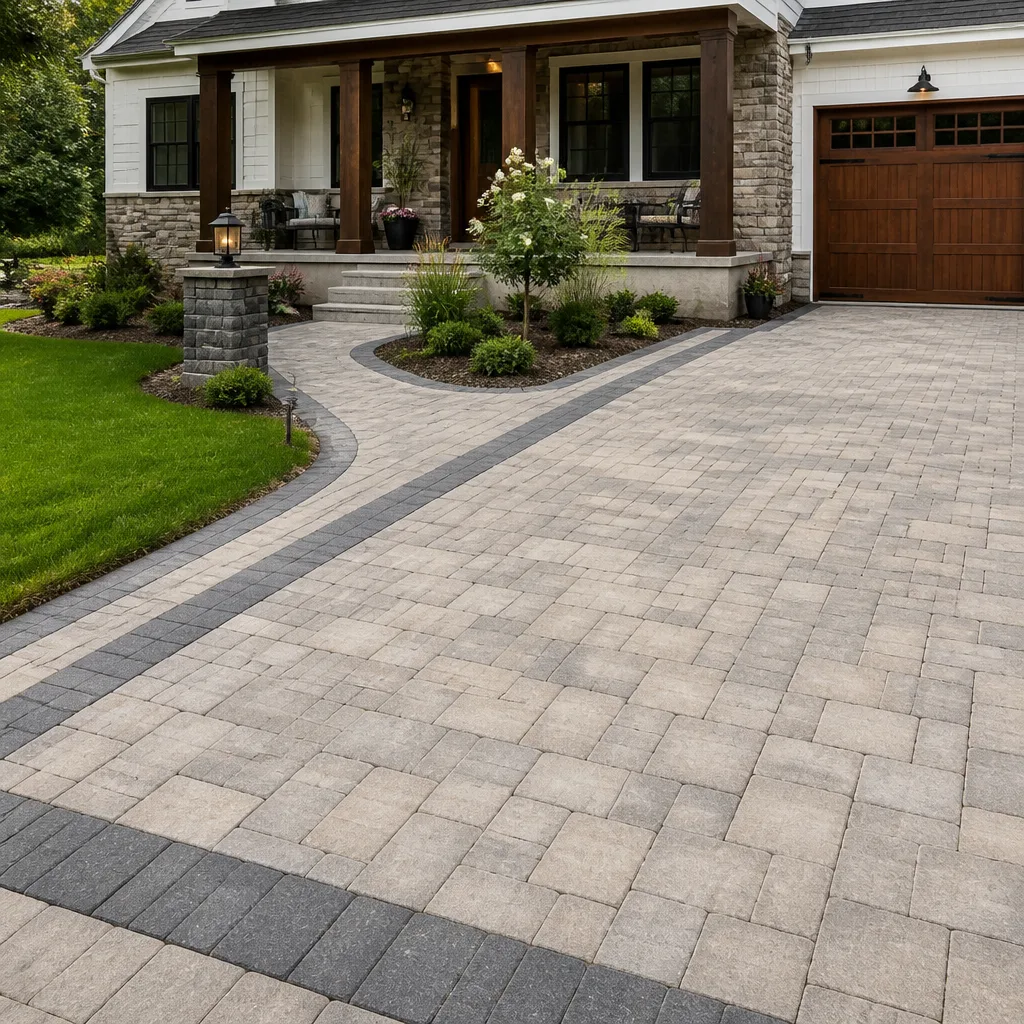
Table of Contents
- What Florida’s Owner-Builder Exemption Actually Says
- The Four Trades Where DIY Is Off the Table in Florida
- How Your Homeowner’s Insurance Responds to DIY and Unpermitted Work
- The West Palm Beach Home Stock: What Your House Actually Demands
- Honest Cost Comparison: Where DIY Wins and Where It Loses
- The Real Skill and Tool Assessment Most Homeowners Skip
- What a Buyer’s Inspector Will Flag at Resale
- Navigating the West Palm Beach Permit Process
What Florida’s Owner-Builder Exemption Actually Says
Florida Statute 489.103(7) lets a homeowner act as their own contractor on their primary residence without holding a contractor’s license. You can pull permits, hire subcontractors, and supervise the work yourself. The statute exists to protect homestead rights, not to create a shortcut around code compliance. In West Palm Beach, the city’s Building Department still enforces the Florida Building Code on every owner-builder project, and inspectors don’t cut corners for homeowners the way people assume they might.
Here is what the exemption requires in plain terms:
- You must own and occupy the property. The exemption applies only to your primary residence, not a rental, a flip, or an investment property. West Palm Beach’s Building Department checks this against homestead records.
- You sign a notarized disclosure. The form states you understand you are responsible for all work performed and that you cannot sell, lease, or transfer the property for one year after the final inspection.
- You cannot use the exemption more than once every 12 months. The state limits owner-builder permits to one per calendar year per property.
- You are personally liable. If a subcontractor you hired gets hurt on the job and they lack workers’ compensation coverage, Florida law can hold you responsible as the employer of record.
The one-year resale restriction is the clause most homeowners learn about too late. If you pull an owner-builder permit for a kitchen remodel and then need to sell seven months later for a job relocation, you cannot legally close the sale unless you get a variance, which is rarely granted. For West Palm Beach homeowners in a market where job transfers and family changes happen fast, that restriction alone pushes many toward hiring a licensed general contractor who carries the permit and the liability.
At General Contractor in West Palm Beach, we pull every permit under our license. You never sign an owner-builder disclosure, you never face the one-year resale lockout, and the permit history shows a licensed contractor of record. That matters at resale more than most people realize.
The Four Trades Where DIY Is Off the Table in Florida
Florida law draws a hard line on four trades: electrical, plumbing, HVAC, and roofing. Even under the owner-builder exemption, a homeowner cannot perform or supervise these trades without a licensed subcontractor doing the actual work. Florida Statute 489.505 and 489.532 regulate electrical and plumbing contractors specifically. The state’s position is straightforward: unlicensed work in these four trades creates life-safety risks, so the exemption doesn’t extend to them regardless of your skill level.
What “Licensed Subcontractor” Means in Practice
If you go the owner-builder route on a West Palm Beach bathroom remodel, you can do the framing, the drywall, the tile, and the painting yourself. But the moment the project involves moving a drain line, adding an outlet, running a new circuit, or touching the roof penetration over that bathroom, you must hire a licensed electrician, plumber, or roofer. You can hire them directly as an owner-builder, but you cannot do the work yourself and pass inspection.
Here is the liability exposure when homeowners skip this step:
- Inspection failure: West Palm Beach inspectors check trade permits against the subcontractor’s license. Unlicensed trade work fails inspection, stops the project, and can trigger a stop-work order on the entire permit.
- Insurance denial: If a fire starts in wiring you installed without a licensed electrician, your carrier can deny the claim based on the policy’s concealment or misrepresentation clause. Florida courts have consistently upheld these denials.
- Personal liability: If unlicensed work causes injury to a future occupant, Florida’s construction defect statute makes you personally liable, and the statute of limitations can run 10 years for latent defects.
- Code enforcement action: West Palm Beach code enforcement can issue fines for unpermitted work discovered during a resale inspection, and those fines attach to the property, not the person who did the work.
Roofing deserves special attention in Palm Beach County. Florida law requires a licensed roofing contractor for any roof work on a residential property, full stop. The wind mitigation credits that keep your insurance premium manageable depend on documented roof construction details that only a licensed roofer can certify. A DIY roof patch that fails during a summer thunderstorm is exactly the scenario insurance adjusters look for when a claim comes in.
How Your Homeowner’s Insurance Responds to DIY and Unpermitted Work
Florida homeowner’s insurance policies are not written like policies in other states. The wind and flood exposure in Palm Beach County shapes every clause, and carriers have spent decades hardening their language against unpermitted work. If you do DIY plumbing, electrical, or structural work without a permit, and that work fails and causes a loss, your carrier will investigate before they pay. The investigation typically ends with a denial.
Here is what Florida carriers specifically look for:
Permit History and the Claim Review
When you file a water damage claim in West Palm Beach, the adjuster pulls the county’s permit history on your property. If the loss involves a bathroom you renovated two years ago and there is no permit on file, the claim review shifts. The carrier asks whether the loss would have occurred if the work had been done to code with a permit. If the answer is probably not, coverage is denied under the policy’s “faulty workmanship” exclusion, which appears in nearly every Florida HO-3 policy.
Concealment and Misrepresentation Clauses
Florida statute 627.409 allows an insurer to void a policy if the applicant made a material misrepresentation, even if the misrepresentation was unintentional. When you renew your policy, the application asks whether any unpermitted work has been done on the property. Answering “no” when you rewired the garage yourself two years ago is technically a misrepresentation. If a claim arises from that work, the carrier can void the entire policy, not just deny the claim. This is the most expensive mistake a West Palm Beach homeowner can make, and it is almost entirely avoidable.
Wind Mitigation Credits and the Roof Question
Palm Beach County homes carry wind mitigation credits that reduce insurance premiums by confirming the roof’s construction details: how the decking is attached, what kind of straps or clips hold the trusses, whether the roof shape itself qualifies. Only a licensed roofing contractor or a certified home inspector can complete the wind mitigation form. DIY roof work invalidates the credits, raises your premium, and can cause the carrier to drop coverage at renewal.
The practical takeaway: before you start any DIY project that touches a system your insurance covers, call your agent and ask how the work affects coverage if it fails. Most agents will not put the answer in writing, which itself tells you everything you need to know.
The West Palm Beach Home Stock: What Your House Actually Demands
West Palm Beach’s housing stock is not like a Midwest suburb with balloon framing and forgiving drywall. The city’s older neighborhoods, from Flamingo Park to Northwood Hills, are dominated by CBS block construction, which means concrete block walls with a stucco exterior. That construction type changes what DIY work is realistic, and it punishes homeowners who approach it with general renovation knowledge from other parts of the country.
CBS Block Construction and What It Means for DIY
Concrete block walls do not give you the easy access that framed walls provide. Running new electrical or plumbing through a CBS wall means cutting channels into the block, which requires a concrete saw, a dust containment plan, and a repair strategy for the stucco. If you have never cut into CBS block before, you will learn the hard way that it generates enormous dust, dulls blades quickly, and can compromise the wall’s structural integrity if you cut too deep. We’ve seen West Palm Beach homeowners start a simple outlet addition and end up with a structural repair that cost more than the original remodel.
Older Electrical Panels in West Palm Beach Homes
Homes built before 1990 in West Palm Beach often have electrical panels that are no longer code-compliant. Federal Pacific and Zinsco panels appear frequently in the city’s older neighborhoods, and both brands carry documented failure histories. If your DIY project touches the electrical system and the inspector sees one of these panels, the project stops until the panel is replaced. That is a five-figure upgrade most homeowners do not budget for. A licensed electrician knows this going in and prices it into the estimate from day one.
Flat-Roof Systems and the West Palm Beach Climate
Mid-century homes in West Palm Beach frequently use flat or low-slope roof systems. Flat roofs in this climate fail differently than pitched roofs: standing water after a heavy summer rain seeps into seams that look fine from the ground, and the damage accumulates before you see a ceiling stain. DIY roof coating products sold at big-box stores rarely bond correctly to the existing membrane, and a failed coating job accelerates the underlying deterioration. This is one area where the cost of amateur work compounds silently.
Flood Zones and Elevation Requirements
Much of West Palm Beach sits in FEMA-designated flood zones. The city enforces elevation requirements on any substantial improvement, defined as work that costs more than 50% of the home’s market value. A DIY addition or major remodel that you plan to do in phases over several years can trigger this threshold without you realizing it, and once triggered, you must bring the entire structure up to current flood elevation standards. That is not a DIY budget item. It is a six-figure engineering project.
Honest Cost Comparison: Where DIY Wins and Where It Loses
The DIY-versus-hire cost math in West Palm Beach is clearer than most guides make it. For additional more guides & resources, explore our blog. Some projects genuinely save money when you do them yourself. Others look cheaper on the surface and end up costing double once you factor rework, inspection failures, and the resale hit. Here is the honest breakdown based on what we see in this market, not national averages.
Where DIY Genuinely Saves Money in West Palm Beach
Interior painting is the clearest win. A 1,800-square-foot West Palm Beach home painted by a professional runs $4,500 to $8,000 depending on ceiling height and surface prep. DIY materials for the same job cost $600 to $1,200, and the skill ceiling is low. The only failure mode is poor prep, which is learnable from a single afternoon of research. This is the one project where the savings are real and the risk is minimal.
Tile demolition is another genuine saver. Removing old tile in a West Palm Beach bathroom costs $4 to $8 per square foot when a contractor does it. A demo hammer rental from a local equipment yard runs about $60 a day, and you can strip a standard bathroom in a weekend. The caveat: demo is brutal on your body, and the debris requires proper disposal, but the savings hold.
Landscaping and hardscape prep work is the third reliable win. Palm Beach County soil is sandy and fast-draining, which makes digging for a Belgard paver patio or garden bed physically demanding but technically simple. The materials and the excavation are less expensive than the design and finish work, so doing the grunt work yourself and hiring a pro for the technical finish cuts costs without cutting corners.
Where Professional Hire Costs Less in the Long Run
The projects that look cheap as DIY and turn expensive involve concealed systems and code compliance. A DIY kitchen faucet replacement that leaks behind the cabinet into a CBS wall can rot the substrate and require mold remediation before you see the first stain. The $200 you saved on a plumber becomes a $4,000 remediation bill. We have documented this pattern across West Palm Beach enough times that it is not a rare worst case; it is the common failure mode.
Electrical work is never a long-term savings. The materials for a DIY panel upgrade cost nearly as much as the labor, and the inspection risk is absolute. If the work fails inspection, you pay a licensed electrician to fix it anyway, plus the permit fees twice. Structural work on CBS block homes is the same story: cutting a pass-through between rooms without understanding the load path above can crack the block wall, and the repair involves an engineer’s letter and a licensed mason.
Anything touching the roof or the envelope follows the same rule here. A DIY skylight installation on a flat West Palm Beach roof that leaks during hurricane season puts your entire interior at risk. The water damage remediation alone exceeds what the professional installation would have cost, and your insurance carrier may deny the claim on the permit issue we covered above.
For reference on what a professionally managed project actually involves, Home Remodeling in West Palm Beach walks through the full scope and process.
The Real Skill and Tool Assessment Most Homeowners Skip
Most DIY assessment advice focuses on your confidence level, which is the wrong metric. Confidence is not competence. The right assessment matches the project against your actual skills, your tool inventory, and the time you can commit without borrowing from your job or family. Here is the framework we use when West Palm Beach homeowners ask us whether a project is realistic for them.
Step 1: Inventory Your Tools Honestly
Walk your garage and be specific. For a bathroom tile job, you need a wet saw or a good snap cutter, a level, a mixing paddle, and enough clamps and spacers. If you own those tools because you have done tile before, the project is within reach. If you would buy all of them for this one job, add $400 to $900 to your materials cost and subtract that from your savings. The same logic applies to any project: tooling costs narrow the DIY savings quickly when you are starting from zero.
Step 2: Count the Hours Realistically
A kitchen cabinet installation that takes a professional crew three days takes a homeowner working nights and weekends three to five weeks. During that time, your kitchen is a construction site. If you work full-time and have kids, the project drags into a second month, and family friction builds. The time cost is real, and it is the one cost most DIY calculators ignore.
Step 3: Identify the Failure Points
Every project has one step that determines whether the whole job holds up. For tile, it is the waterproofing layer; a failed tile job almost always traces back to a skipped or poorly installed substrate barrier. For paint, it is surface prep. For any exterior work, it is flashing. If you cannot name the failure point for the project you are planning, you are not ready to do the work. Researching it is the minimum step, and hiring a pro is the safer one.
In West Palm Beach, the humidity adds another failure point most guides miss. Materials behave differently here. Lumber absorbs moisture and moves. Adhesives cure differently. Paint dries slower. If the instructions you are following were written for a dry climate, assume they underestimate cure times and account for it.
What a Buyer’s Inspector Will Flag at Resale
The resale inspection is where DIY work in West Palm Beach gets its final grade, and the grading is not generous. Home inspectors in Palm Beach County are specifically trained to look for signs of unpermitted work, and the standard Florida home inspection report includes a section for permit verification. When a buyer’s inspector flags unpermitted work, the deal does not always die, but it always changes.
The Typical Flag Sequence
- The inspector checks the permit history. Palm Beach County maintains public permit records, and inspectors verify them against visible improvements. A new kitchen in a home with no kitchen permit on file is an immediate flag.
- The report notes “work appears unpermitted.” This language goes into the inspection report, which becomes a disclosure document for the buyer.
- The buyer requests a permit retro-fit or a price reduction. In a strong seller’s market like much of West Palm Beach in recent years, sellers sometimes refuse. In a balanced market, the buyer’s request usually prevails.
- The lender may pause. FHA and VA loans in particular require that unpermitted work be resolved before closing. Conventional loans are more flexible, but the issue still moves the negotiation.
The cost of resolving an unpermitted work flag after the fact runs higher than doing it correctly the first time. You pay for the work, the retroactive permit, and often the correction of whatever the inspector found wrong. In some West Palm Beach neighborhoods, particularly the historic districts, the planning department adds design review requirements on top of the building permit, which lengthens the retro-fit significantly.
For a buyer’s inspector, visible DIY work creates a presumption of hidden problems. The inspector sees your amateur drywall seam and wonders what is behind it. A professional job with a permit and a documented contractor of record does not trigger that presumption. The difference at the closing table is measurable.
Navigating the West Palm Beach Permit Process
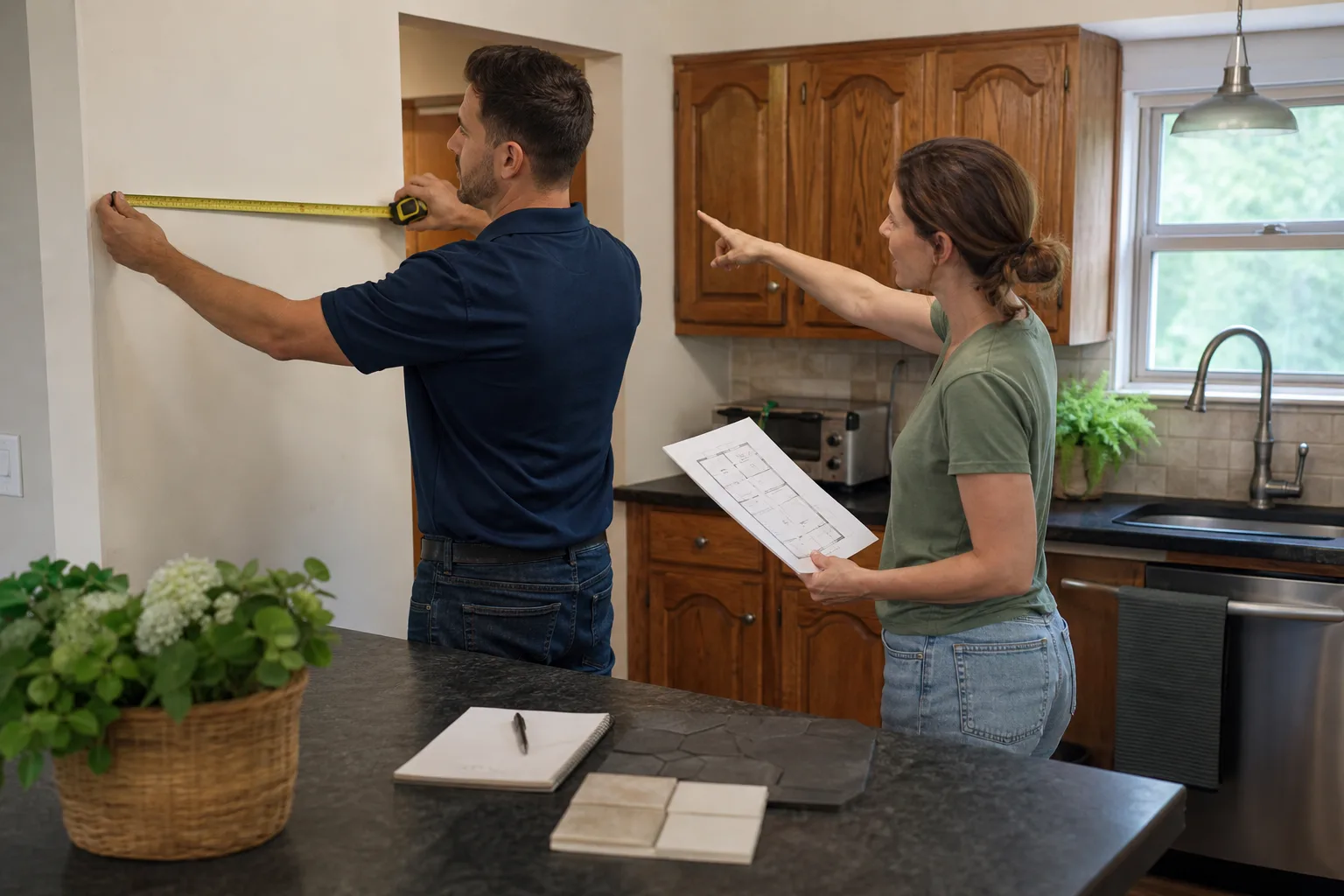
West Palm Beach’s Building Department processes permits through an online portal, and the process is straightforward for a licensed contractor and genuinely difficult for a first-time owner-builder. The difference is not intelligence; it is repetition. Contractors file these permits weekly and know which reviewer wants which detail, which code section gets the most scrutiny, and how long each review cycle takes. A homeowner navigating the same system for the first time spends hours on hold and weeks in review cycles.
The Owner-Builder Permit Steps
- Create an account on the city’s permit portal. You will need your property’s folio number, which you can find on your tax bill.
- Submit the application with plans. For anything beyond a simple trade permit, the city requires drawings that meet the Florida Building Code’s minimum plan standards. Hand-drawn plans rarely pass first review.
- Sign the owner-builder disclosure. This is the document we discussed in the opening section. Read it carefully before signing.
- Wait out the review cycle. West Palm Beach’s review times vary by project type and season. Plan on two to six weeks for a typical interior remodel.
- Schedule inspections at each phase. You must call for inspections at the right points in the project. Missing an inspection stops the job and can require exposing work that you already covered.
The friction in this process is not a reason to skip it. Unpermitted work in West Palm Beach catches up with you, as we covered in the insurance and resale sections. The friction is, however, a legitimate reason to hire a licensed contractor who absorbs the permit process into their scope. At Bradford Remodeling Co West Palm Beach home, every project starts with a written price that includes the permits, the inspections, and the paperwork. You never touch the owner-builder disclosure because you never need it.
Kitchen projects specifically follow a more complex permit path because they typically combine electrical, plumbing, and sometimes structural work in one scope. Kitchen Remodeling in West Palm Beach covers how we handle the permit sequencing in one managed flow rather than three separate owner-builder filings.
Common Mistakes to Avoid
- Signing the owner-builder disclosure without reading the one-year resale restriction. Florida’s form states the restriction plainly, but homeowners in a hurry skim past it. The restriction applies even if your circumstances change immediately after the work is done.
- Assuming your insurance covers DIY work because you “did it right.” Florida carriers review permit history on every major claim. Doing the work carefully does not change the policy language on faulty workmanship exclusions or the misrepresentation clause.
- Touching any of the four regulated trades without a licensed subcontractor. Electrical, plumbing, HVAC, and roofing have no owner-builder exception. The inspector will fail the work, and the liability exposure follows you for years.
- Treating a CBS block wall like a drywall wall. Cutting into concrete block without the right tools and a plan for the stucco repair creates structural and moisture problems that compound. We have seen this mistake cost West Palm Beach homeowners thousands in corrective work.
- Underestimating the owner-builder liability for injured workers. If you hire an unlicensed helper as an owner-builder and they get hurt, Florida’s workers’ compensation law can classify you as the employer. That exposure does not exist when a licensed contractor carries their own coverage.
- Doing phased DIY work that eventually triggers the 50% substantial improvement rule. Flood zone elevation requirements in West Palm Beach apply to cumulative work over time, not just single projects. Keeping poor records of your phased renovations does not protect you from the threshold.
- Assuming a passing inspection means the work is fine. Inspections verify code minimums at a moment in time, not long-term workmanship. A shower pan that passes inspection can still leak in three years, which is why Bradford Remodeling writes a one-year guarantee on every project rather than treating the inspection as the finish line.
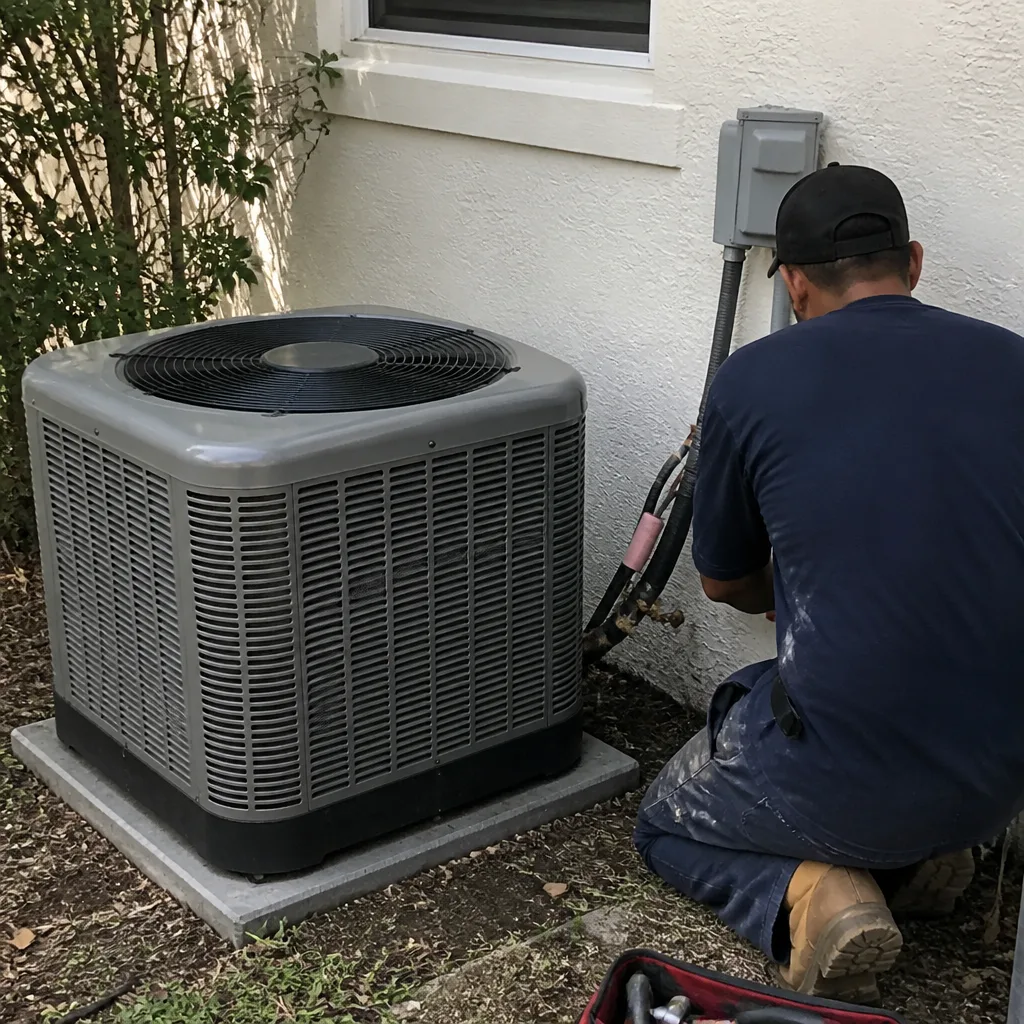
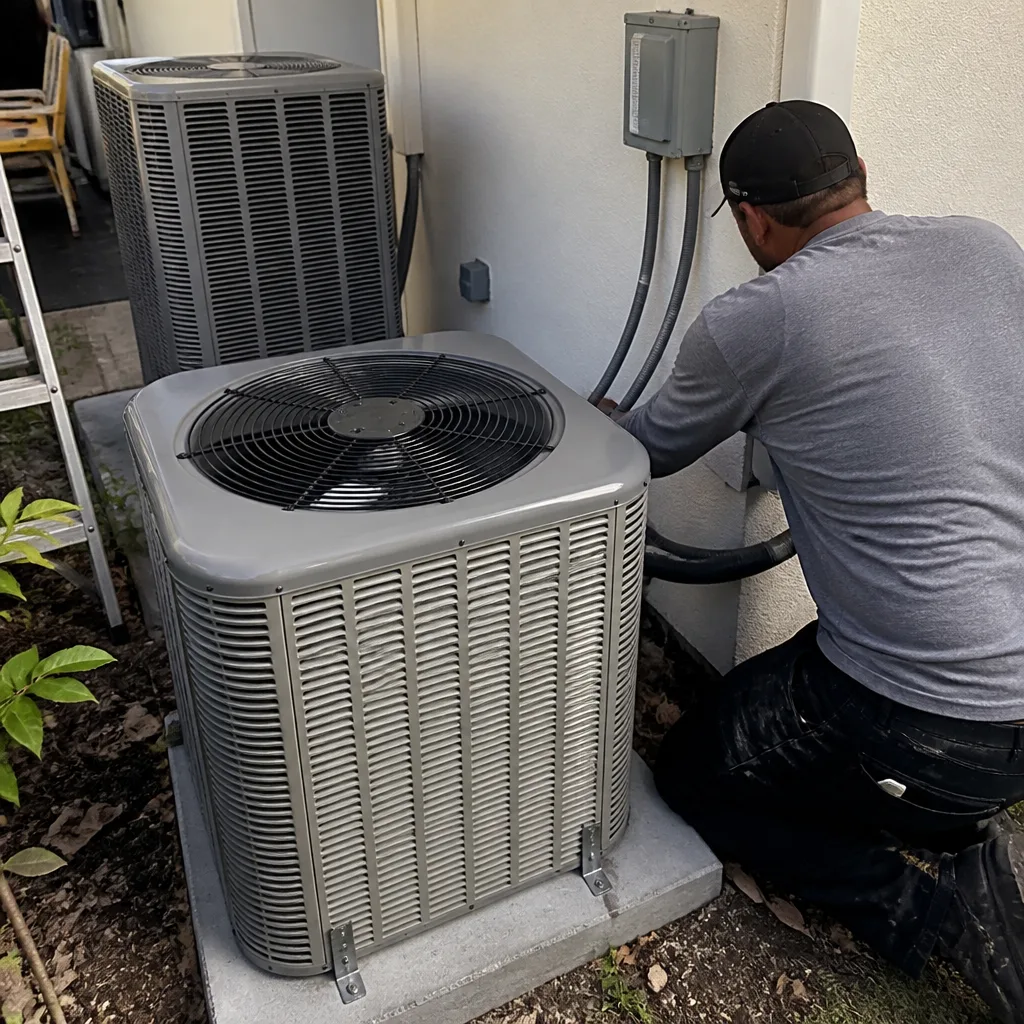
See the difference
 Before
 After
After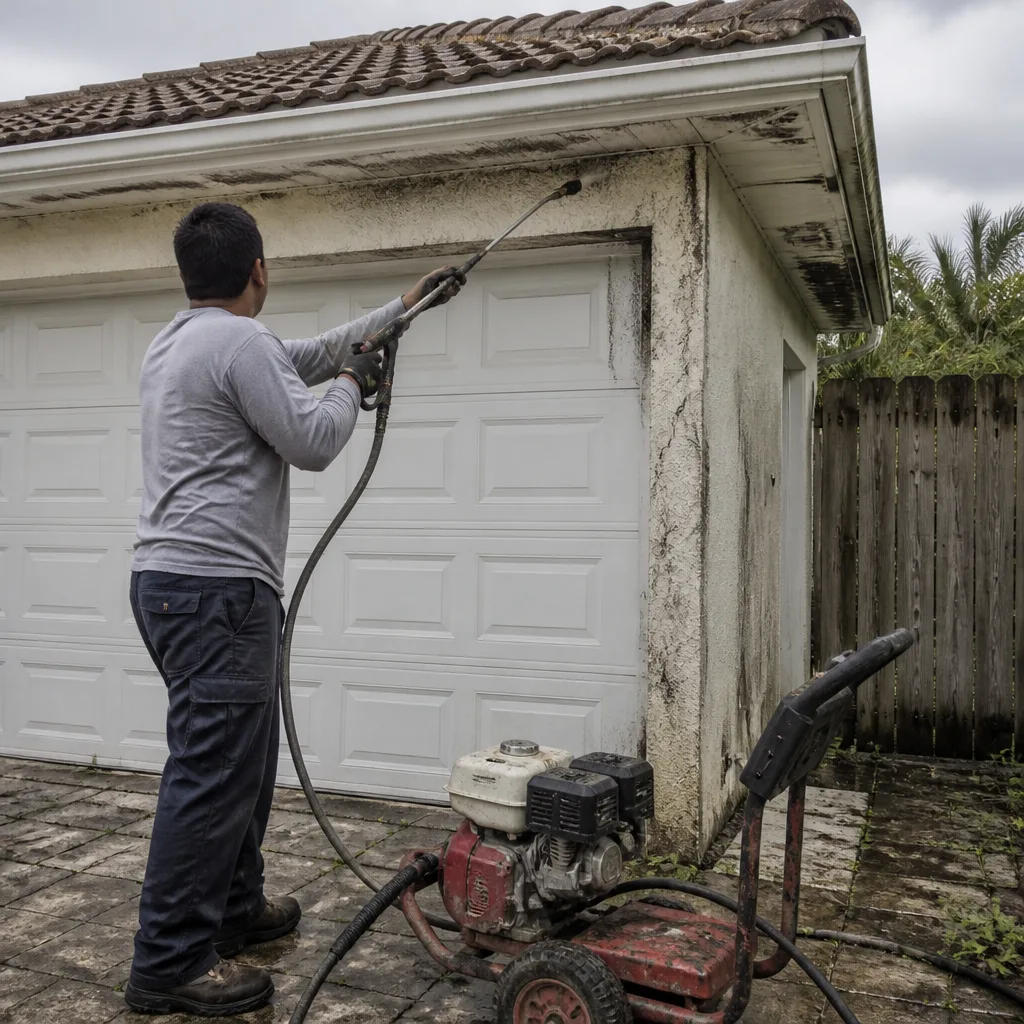 Before
 After
After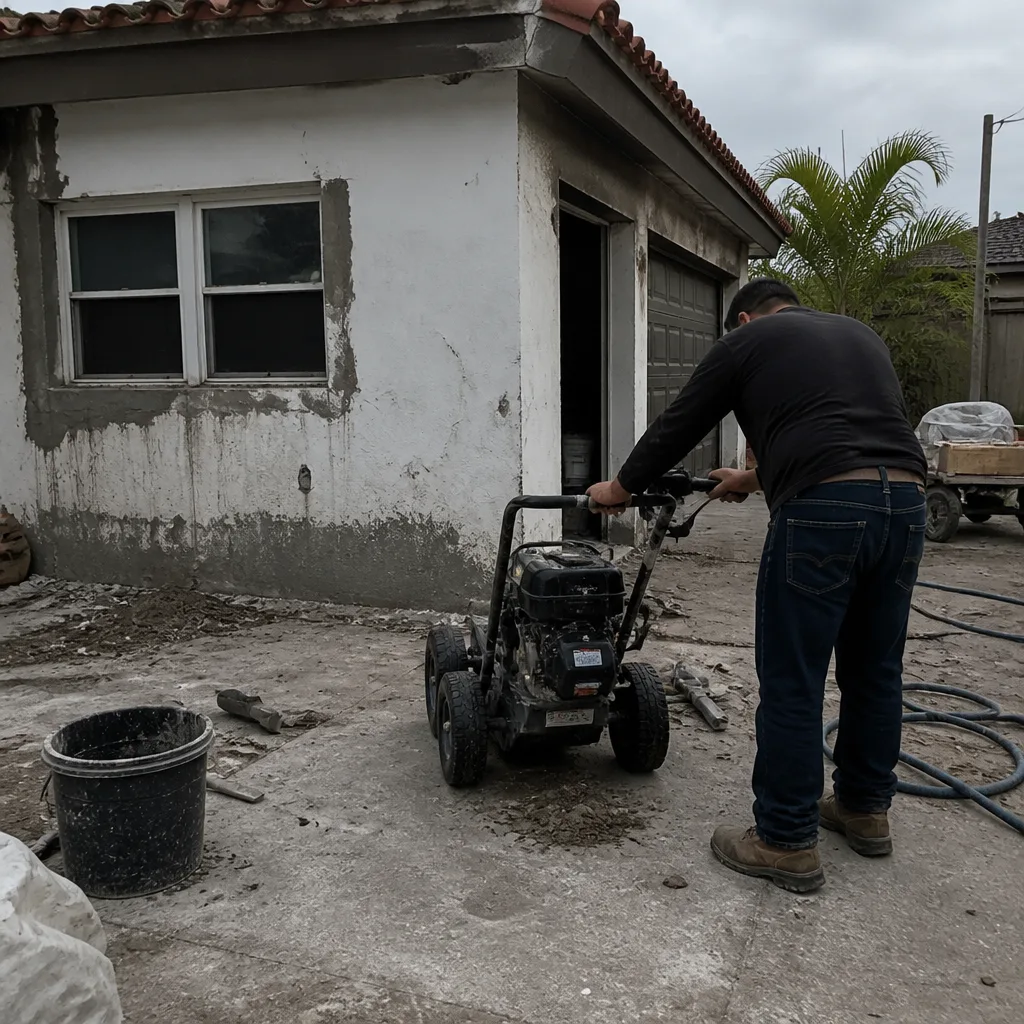 Before
 After
AfterWhen to Call a Professional
Call a professional when the project touches any regulated trade, when it affects the home’s structure or envelope, when your insurance carrier will ask for a permit history on a future claim, or when the resale timeline matters to you. For a complete maintenance overview, see our General Contractor Maintenance Checklist for West Palm Beach Homeowners. If you are planning to sell within a year of the work, the owner-builder route is legally unavailable to you, and a licensed contractor is the only clean path. If the project involves a flat roof, a Federal Pacific or Zinsco panel, or a CBS block wall you have never worked with before, the risk-to-savings ratio stops making sense. Bradford Remodeling Co West Palm Beach offers free estimates in West Palm Beach, and every project comes with a written price before work begins, background-checked uniformed technicians, and a 365-Day Done Right Promise that says in writing: if it is not done right, we make it right. Call (728) 203-9809 to schedule yours.
Frequently Asked Questions
Yes, Florida’s owner-builder exemption allows you to pull permits and act as your own contractor on your primary residence, but you must sign a disclosure agreeing not to sell the home for one year after completion, and you cannot perform electrical, plumbing, HVAC, or roofing work yourself even under the exemption. West Palm Beach enforces this exemption through its Building Department, which verifies homestead status before issuing owner-builder permits. Call (728) 203-9809 if you want a written price for a fully licensed alternative that avoids the one-year restriction entirely.
General contracting fees in West Palm Beach typically run 15% to 20% of the total project cost on top of trade costs, so a $50,000 kitchen remodel carries roughly $7,500 to $10,000 in general contractor overhead that DIY framing and finish work would save. The counterweight is the rework, permit, and resale risk: unpermitted work flags at inspection, insurance claims get denied, and buyer’s inspectors discount the home. For the projects where DIY genuinely wins in this market, interior painting saves $3,500 to $7,000 on a typical home and tile demolition saves $500 to $1,200 per bathroom. Call (728) 203-9809 for a free estimate that puts real numbers on your specific scope.
If unpermitted work fails and causes a loss, your Florida homeowner’s insurer can deny the claim under the policy’s faulty workmanship exclusion, and if you answered “no” on your renewal application to the question about unpermitted work, the carrier can void the policy entirely under Florida Statute 627.409. At resale, a buyer’s inspector flags the unpermitted work, the buyer renegotiates or walks, and the city can issue code enforcement fines that attach to the property. The clean path is a licensed contractor with a documented permit history, which is how Bradford Remodeling handles every project in West Palm Beach.
Yes, the owner-builder route allows you to pull your own permit and hire licensed subcontractors directly, but you become the employer of record for those workers on paper, which means you carry personal liability if a subcontractor lacks workers’ compensation coverage and gets hurt. You also absorb the one-year resale restriction and the full weight of the inspection process, which regularly stalls first-time owner-builders in West Palm Beach’s permitting system for weeks. A licensed general contractor carries the permit, the liability, and the insurance, and the written price includes all of it before work starts.
Interior painting, tile demolition, and landscape prep work are the three projects where DIY savings hold in the West Palm Beach market, with a typical homeowner saving $3,500 to $7,000 on painting, $500 to $1,200 on bathroom demo, and $2,000 to $4,000 on site prep that a hardscape contractor would otherwise charge for. The common thread is low skill ceiling and low consequence for failure. Everything else in this market, especially anything touching CBS block walls, flat roofs, or pre-1990 electrical panels, carries failure modes that cost more than the professional hire would have.
Yes, Bradford Remodeling Co West Palm Beach provides free estimates on kitchen remodeling, whole-home remodeling, and general contracting projects throughout West Palm Beach. Every estimate is a written price before any work begins, with no numbers that change at the door, and all completed work carries the 365-Day Done Right Promise in writing. Call (728) 203-9809 to schedule your free estimate, and a live person will answer, not a voicemail system.
The Bottom Line
The DIY-versus-hire decision in West Palm Beach is a legal and financial question as much as a skill question. Florida’s owner-builder exemption opens the door for homeowners who want to do their own work, but the one-year resale restriction, the regulated trades, the insurance policy language, and the permit process all penalize inexperience in specific, expensive ways. Interior painting, demo, and site prep are genuine savings opportunities. Everything else in this market rewards a licensed, documented, written-price approach. If you want the work done by a crew that puts every guarantee in writing before tools come out, call (728) 203-9809 and get your free estimate from Bradford Remodeling Co West Palm Beach.
Written by Curtis Lane, Owner at Bradford Remodeling Co West Palm Beach, serving West Palm Beach since 2004.