Last updated October 16, 2026

Free written scope consultation - allowances, timeline, and change-order rules on paper before a single trade is scheduled
Seasonal Construction Care for West Palm Beach: Year-Round Homeowner’s Guide
Concrete, caulk, paint, and wood flooring all carry manufacturer-specified humidity and temperature ranges for installation. In West Palm Beach, summer conditions push outside those ranges often enough that work done last August may have voided its own warranty before the crew packed up. This guide breaks down which projects belong in which window, what you can safely schedule during the rainy season, and how to plan far enough ahead that you’re not paying surge pricing for a February remodel. For a deeper dive, see our Complete Guide to Construction in West Palm Beach. You’ll learn the dry-season project list, the rainy-season sequencing rules, the hurricane prep checklist, and the booking timeline that separates homeowners who wait from homeowners who get the crew they want.
Styles & brands we work with
Quick Answer
The best time for exterior remodeling and finish work in West Palm Beach is the dry season, November through April, when humidity drops low enough for paint, caulk, concrete, and wood to cure properly. Interior work – kitchen remodels, bath remodels, electrical, plumbing – can run year-round if the contractor sequences around afternoon rain and controls job-site humidity. Plan six months ahead for dry-season work, because January through March books out faster in West Palm Beach than any other stretch of the year.
Table of Contents
- The Dry Season (November – April): Your Exterior Work Window
- The Rainy Season (May – October): What You Can Still Build
- Hurricane Season Logistics: Lead Times, Permits, and Sub Availability
- The May 1 Pre-Storm Prep List for West Palm Beach Homes
- Why January – March Books Out First (And How to Beat It)
- What Seasonal Timing Does to Your Remodel Cost
- Materials That Fail When Installed in the Wrong Season
- A Month-by-Month Scheduling Map for West Palm Beach Homeowners
- Common Mistakes to Avoid
- When to Call a Professional
- Frequently Asked Questions
- The Bottom Line
The Dry Season (November – April): Your Exterior Work Window
West Palm Beach averages less than three inches of rain per month from November through April. Relative humidity sits in the 60 – 70% range instead of the 80 – 90% range common in summer. That shift matters because paint, stucco, exterior caulk, and concrete all need a window of low moisture to cure properly. When you install materials into high humidity, the surface may look fine while the bond underneath fails. Six months later, you’re looking at peeling paint or cracking caulk and wondering what went wrong.
Schedule these projects during the dry season in West Palm Beach:
- Exterior painting and stucco repair: Paint manufacturers like Sherwin-Williams and Benjamin Moore specify application temperatures typically between 50°F and 90°F with low relative humidity. Summer in West Palm Beach regularly hits 90°F by 10:00 a.m., which means paint skins over before it bonds.
- Roofing and re-roofing: Asphalt shingles from GAF and CertainTeed need heat to seal, but not rain. A November install gives shingles several dry weeks to set the adhesive strip. A July install means afternoon thunderstorms interrupting the job and moisture trapped under the underlayment.
- Impact window and door installation: Removing an old window opens the rough opening to the elements. Dry-season installation means the substrate around the opening stays dry while flashing tape and sealant cure. Therma-Tru doors and impact-rated windows installed in November get a clean, dry seal.
- Concrete and hardscape work: Belgard pavers and poured concrete need consistent moisture during cure, but not standing water. The dry season gives you control over the cure. The rainy season gives you washouts and surface pitting.
- Exterior caulking and sealant work: Caulk fails when applied to damp surfaces. Dry-season application means the bead adheres to the surface instead of sitting on a film of condensation.
We’ve seen the difference in our own work across West Palm Beach. A bathroom remodel we ran in February had zero weather delays from start to close. A roof repair we did the previous August fought three separate afternoon downpours before we got a clear three-day run. The August job got done, but it cost the homeowner extra labor hours that a November start would have avoided.
If you’re planning general contractor work in West Palm Beach, the dry season is when you want exterior scope on the schedule. Interior work can wait for summer. Exterior work should not.
The Rainy Season (May – October): What You Can Still Build
West Palm Beach gets about 60% of its annual rainfall between May and October, most of it in afternoon thunderstorms that roll in like clockwork. That does not mean construction stops. It means the work that gets scheduled is interior work, and the contractor running the job knows how to sequence around the weather.
Here’s what you can and should schedule during the rainy season in West Palm Beach:
- Kitchen remodels: A kitchen remodel in West Palm Beach is interior work from start to finish. Cabinetry from KraftMaid or Wellborn ships in factory-sealed packaging. Countertop slabs from Cambria or Caesarstone get templated and fabricated indoors. The only weather concern is getting materials from truck to house between downpours, which a competent crew handles by staging deliveries for morning hours.
- Bathroom remodels: Schluter waterproofing systems, Kohler and Moen fixtures, and new tub or shower installs all happen inside the building envelope. Summer is actually a good time for bath work because the labor pool is less stretched than in January.
- Electrical and plumbing rough-ins: This is the hidden infrastructure work that happens inside walls. Rain doesn’t touch it. Summer scheduling for rough-ins means your project is ready for finish work the moment dry season opens.
- Interior painting and drywall: With the AC running, a closed-up house in August has controlled humidity. Interior paint applied in a conditioned space behaves the same in July as it does in January.
- Flooring: Engineered wood and tile can be installed year-round if the installers acclimate materials to the home’s interior conditions first. Solid hardwood is the exception; we’ll get to that.
The key to summer work in West Palm Beach is sequencing. A disciplined contractor schedules exterior-facing tasks – window removal, door replacement, any penetration of the building envelope – for the morning, when thunderstorms are less likely. Afternoon work moves inside. Material deliveries arrive by 9:00 a.m. or get wrapped and staged under cover. Tarps and temporary weather barriers go up before any opening is cut. None of this is secret knowledge, but it separates crews that finish on schedule from crews that leave a tarp flapping for three weeks.
We run interior remodels through the summer at Bradford Remodeling Co West Palm Beach without weather delays, because the scope stays inside the conditioned space. The workmanship warranty still applies, because the conditions were controlled.
Hurricane Season Logistics: Lead Times, Permits, and Sub Availability
Hurricane season in West Palm Beach runs June 1 through November 30, and it reshapes the construction market in ways that have nothing to do with whether a storm actually hits. The mere possibility of a storm changes material lead times, subcontractor availability, and the speed of the permit office.
Material lead times stretch during hurricane season for a simple reason: everyone wants the same materials at the same time. Impact windows, hurricane-rated garage doors, roof underlayment, and tie-down hardware all see demand spikes from June onward. A window order that took three weeks in April can take six to eight weeks in August. GAF and Owens Corning roofing materials get allocated to distributors based on storm demand, which means a reroof in October competes with every other homeowner in the region who watched the season’s first named storm form.
Subcontractor availability shifts too. The best roofing crews, window installers, and exterior trades book their hurricane-season schedule months ahead. When a storm does threaten, those crews get pulled for emergency board-ups and repairs, which pushes scheduled work back. Interior trades – electricians, plumbers, cabinet installers – generally stay available, which is another reason summer favors interior scope.
The West Palm Beach permit office sees a late-summer backlog every year as homeowners rush to get hurricane-hardening permits approved before peak storm months. A permit that cleared in ten days in March can take three to four weeks in September. If you’re planning impact windows or a new roof, file the permit application in early spring and schedule the install for the dry season. The permit will be ready when the crew is.
The May 1 Pre-Storm Prep List for West Palm Beach Homes
By May 1, every West Palm Beach homeowner should have run through a set of checks that protect the house before the season’s first serious system forms. Some of these you can do yourself. Several require a licensed contractor. Here’s the list we give our own clients.
- Inspect and reseal exterior caulk and flashing around windows, doors, and roof penetrations. You can visually inspect. If you find cracked caulk or lifted flashing, a contractor should make the repair. Water intrusion during a storm is how minor damage becomes a gut reno.
- Check the roof for loose shingles, cracked tiles, or worn underlayment in valleys and around vents. You should not be on the roof. A licensed roofer can do a full inspection in under an hour and flag problems before they become storm leaks.
- Clean gutters and downspouts and confirm they direct water at least four feet from the foundation. This is a DIY task if you’re comfortable on a ladder. Clogged gutters during a hurricane-force rain event send water down the wall and into the soffit.
- Trim trees and remove dead branches within reach of the roofline. You can handle small branches. Anything within falling distance of the house warrants an arborist or a contractor with the right equipment.
- Confirm impact windows or storm shutters are operational. Test the tracks, lubricate rollers, and check that every shutter panel is present and fits its opening. If a panel is missing, order the replacement now, not when a watch is posted.
- Photograph the property exterior, roof, and interior finishes. Your insurance claim moves faster when you have dated pre-storm photos. This takes twenty minutes and costs nothing.
- Verify your contractor’s written guarantee covers work installed in the last twelve months. At Bradford Remodeling, that’s the 365-Day Done Right Promise: if work fails within a year of completion, we come back and correct it at no charge. If your previous contractor won’t put that in writing, you know where you stand before the storm season starts.
Run this list before June 1 every year. The homes that fare best in a West Palm Beach storm are the ones where the prep work happened in May, not the ones where the homeowner was on the phone with a roofer the week a named storm formed.
Why January – March Books Out First (And How to Beat It)
If you call a reputable remodeling contractor in West Palm Beach in January, expect to hear that dry-season slots are already filling. By February, the best crews are booked through April. By March, you’re being scheduled for dry-season work in November.
Three forces collide to create the January – March crunch. First, seasonal residents return after the holidays and decide this is the year for that kitchen or bath update. Second, everyone who procrastinated through the fall suddenly realizes dry season is half over. Third, the snowbird economy means the demand spike in West Palm Beach is sharper than in markets with flat year-round populations.
The fix is to plan six months ahead. That means:
- In July or August, decide what your dry-season project is. If it’s exterior painting, start getting contractor references then. If it’s a reroof, have a roofer inspect before hurricane season peaks so you know the actual scope.
- In September, select your contractor and get a written price. The written price locks your number before material costs shift. At Bradford Remodeling, the written price is the price – no numbers that move at the door, no change orders unless you change the scope.
- In October, pull permits and place material orders. This puts you ahead of the holiday rush and the hurricane-season permit backlog.
- In November, your project starts while other homeowners are still shopping.
Homeowners who follow this sequence get dry-season pricing, dry-season installation conditions, and a finished project before the next rainy season. Homeowners who call in February get whatever slot is left, often at a premium, because the contractor’s calendar is the constraint, not the work itself.
We’ve watched this cycle repeat every year in West Palm Beach since we began serving the area in 2004. The homeowners who plan ahead are not luckier. They just decided earlier.
What Seasonal Timing Does to Your Remodel Cost
Seasonal demand moves pricing in West Palm Beach more than most homeowners realize. A bathroom remodel quoted in July can cost 10 – 15% less than the same scope quoted in February, simply because the labor market loosens when exterior work slows and seasonal residents head north. Here’s what we see in our own pricing across the year, based on a typical mid-range bath or kitchen scope.
Sample project: 5×8 bathroom remodel, mid-range finishes
- Dry-season quote (January – March): $22,000 – $28,000, with a 6 – 10 week start date
- Shoulder-season quote (April – May, October – November): $20,000 – $26,000, with a 3 – 5 week start date
- Rainy-season quote (June – September): $19,000 – $24,000, with a 2 – 4 week start date
These are ranges we’ve seen in the West Palm Beach market, not a quote for your specific project. Your scope, finish level, and home condition move the number. The point is the spread: the same bathroom costs less and starts sooner when you schedule it in the off-peak window.
The spread exists because labor is the variable. When exterior crews are idle and subs are looking for interior work, their rates soften. When every crew in the county is running at capacity, you pay for the privilege of getting on the calendar. A written price from a contractor who commits to it – rather than an estimate that floats – is how you capture the off-peak savings without gambling on the final invoice.
Materials That Fail When Installed in the Wrong Season
Not every material cares about the weather in West Palm Beach. Tile, stone, and engineered wood are fairly indifferent. But several common materials have installation windows that the summer climate violates often enough to matter. Here are the ones we watch closely.
- Solid hardwood flooring: Manufacturers specify installation at 35 – 55% relative humidity. West Palm Beach summers run 70 – 90% humidity outside, and even a conditioned interior will drift high when doors open and close. Hardwood installed in August absorbs moisture after install, expands, and cups or buckles by winter. If you want solid hardwood, schedule it for November through February, or switch to engineered wood with a stable core.
- Exterior paint: Most exterior latex paints need the surface and air temperature to stay below 90°F during application and for several hours of curing. A West Palm Beach summer afternoon puts the wall surface at 110 – 120°F in direct sun. Paint applied in those conditions dries too fast on the surface, leaving a weak bond underneath. This is why summer-painted exteriors peel within a year.
- Exterior caulk and sealant: Caulk needs a dry surface to adhere. In summer, even a morning that looks dry can leave a film of condensation on painted surfaces. The bead skins over, looks fine, and fails within months when the trapped moisture expands.
- Concrete: High heat accelerates concrete cure, which sounds good but actually weakens the final product. Fast cure means more shrinkage cracks, more surface dusting, and lower compressive strength. Winter pours in West Palm Beach cure slower and stronger.
- Roofing underlayment: Peel-and-stick underlayment needs a clean, dry deck. Install it on a humid summer morning and the adhesive bond is compromised before the shingles go on. Dry-season installs give you the bond the manufacturer tested.
The common thread is moisture and heat. When a material’s installation window is written into its warranty – and paint, caulk, hardwood, and concrete all carry such language – installing in the wrong season voids the manufacturer’s coverage while it weakens the product. That’s a double loss.
This is where the written guarantee matters. The 365-Day Done Right Promise at Bradford Remodeling is our own warranty on our workmanship, separate from manufacturer coverage. If a finish fails within a year because we installed it wrong, we fix it. But we’d rather schedule the work in the window where the material is designed to succeed, so the question never comes up.
A Month-by-Month Scheduling Map for West Palm Beach Homeowners
Here’s how a disciplined one-year plan looks for a West Palm Beach homeowner. Adapt the projects to your scope, but keep the seasonal logic.
November – February (Dry season, peak demand): Exterior painting, roofing, impact window installs, stucco repair, concrete pours, exterior caulking, hardwood floor installs. Full home remodeling in West Palm Beach runs smoothly during this stretch because travel days and exterior openings are weather-safe.
March – April (Dry season, winding down): Last call for exterior work before humidity rises. Good window for interior drywall, millwork, and cabinetry installs that benefit from lower ambient moisture before the AC runs hard all summer.
May – June (Rainy season begins, hurricane season opens): Shift to interior scope: kitchen remodels, bathroom remodels, electrical and plumbing work. Run the May 1 pre-storm checklist. File any remaining permit applications before the hurricane rush hits the permit office.
July – September (Peak rain, peak heat): Interior-only work. Cabinet installation, countertop templating and fabrication, interior trim, tile work, interior painting. This is also the best window to plan next season’s exterior work and lock in a written price before dry-season demand pushes rates up.
October (Transition month): Hurricane season winds down but afternoon storms still fire. Exterior work becomes possible again toward month’s end. Pull permits for November starts. Place material orders for dry-season scope.
November (Dry season returns): Exterior work resumes. Homeowners who planned in summer are starting their projects while the rest of the market is still making phone calls.
This map repeats every year. Once you internalize it, you stop fighting the weather and start using it.
Common Mistakes to Avoid
- Letting a summer hurricane upgrade slide because “it hasn’t hit us yet.” West Palm Beach has been lucky in specific years, not generally. The next direct hit is a question of when, not if. Hardening the house in the dry season is cheaper than repairing it after a storm.
- Scheduling exterior paint for July to get a “deal” from a contractor with an open calendar. There’s a reason that calendar is open. The paint will fail, the manufacturer warranty will not cover it, and you’ll pay for the job twice.
- Assuming the permit office moves at the same speed year-round. It does not. Late-summer permit applications for hurricane-hardening work queue behind everyone else who had the same idea.
- Waiting until February to call about a January-start project. The dry-season window in West Palm Beach is roughly 180 days. By February, most reputable contractors have half of it booked. Call in August and you choose your start date. Call in February and you take what’s left.
- Tearing out the only bathroom in July without a plan. Summer thunderstorms do not stop interior work, so this one is not about weather. It’s about the rest of the market: plumbers and tile setters are easier to schedule in summer, so it’s actually a good window. The mistake is not sequencing around the fact that you still need a functioning house during the job.
- Accepting a verbal quote for seasonal-sensitive work. Materials priced in August may cost more by November. A written price protects you. Without one, the contractor passes material increases through to your invoice, and you have no documentation to push back with.
- Skipping the pre-storm photo documentation. After a storm, insurance adjusters want proof of pre-existing condition. Photos taken in May settle disputes in November. You cannot reconstruct what the roof looked like before the hurricane from memory.
When to Call a Professional
Call a contractor when the scope touches the building envelope, structural systems, electrical, or plumbing. That includes roof repairs, window replacement, exterior caulking and flashing work, and any project involving permitted work in West Palm Beach. These are not DIY tasks, and the cost of a failed repair is usually a water intrusion event that costs ten times the original fix. For interior remodels – kitchens, baths, flooring – the professional question is less about safety and more about the written guarantee. A homeowner-run project has no warranty. A contractor who puts the scope and the guarantee in writing does. For more guides & resources, visit our blog. Bradford Remodeling Co West Palm Beach offers free estimates in West Palm Beach. Call (728) 203-9809 to schedule yours.
Frequently Asked Questions
November through February is the best window for a roof replacement in West Palm Beach because asphalt shingles need dry, moderate conditions to seal their adhesive strips, and the dry season provides that. Summer installs fight afternoon thunderstorms that interrupt the job and trap moisture under the underlayment. Call (728) 203-9809 if you want a written price for a reroof during the next dry-season window.
Yes, kitchen remodels run well during the West Palm Beach rainy season because the work happens entirely inside the conditioned building envelope and cabinetry from KraftMaid or Wellborn arrives factory-sealed and protected. A competent contractor sequences material deliveries for morning hours and moves any exterior-facing tasks out of the afternoon storm window.
Book six months ahead, meaning you should select your contractor and lock in a written price by August or September for a November start. The January through March window in West Palm Beach books out faster than any other stretch of the year because seasonal residents return and everyone rushes the same dry-season calendar.
Yes, it can. Paint, caulk, solid hardwood, and concrete all carry manufacturer installation specifications for temperature and humidity, and installing those materials during West Palm Beach’s summer conditions often violates those specs, which voids the manufacturer’s coverage. That is separate from a contractor’s own workmanship guarantee, which is why you want both in writing.
Run a pre-storm checklist by May 1: inspect and reseal exterior caulk and flashing, check the roof for loose shingles and worn underlayment, clean gutters, trim trees near the roofline, confirm shutters or impact windows work, photograph the property, and verify your contractor’s written guarantee covers the last twelve months of work.
A mid-range 5×8 bathroom remodel in West Palm Beach typically runs $22,000 to $28,000 during the January-March dry-season peak, $20,000 to $26,000 during the spring and fall shoulder seasons, and $19,000 to $24,000 during the June-September rainy season. The spread reflects seasonal labor demand. Call (728) 203-9809 for an exact written quote – estimates are free.
The Bottom Line
West Palm Beach has two construction seasons, and they reward the homeowner who plans around them. Exterior work belongs in the dry season from November through April, when paint cures, caulk adheres, and concrete sets the way manufacturers intend. Interior work belongs in the rainy season from May through October, when the labor market softens and your project moves up the calendar. Hurricane season complicates material lead times and permit queues for about five months, so pre-storm prep and early permitting matter. The homeowner who plans six months ahead gets the dry-season window, the off-peak price, and the written guarantee before the work starts. The homeowner who calls in February gets whatever is left.
Written by Curtis Lane, Owner at Bradford Remodeling Co West Palm Beach, serving West Palm Beach since 2004.
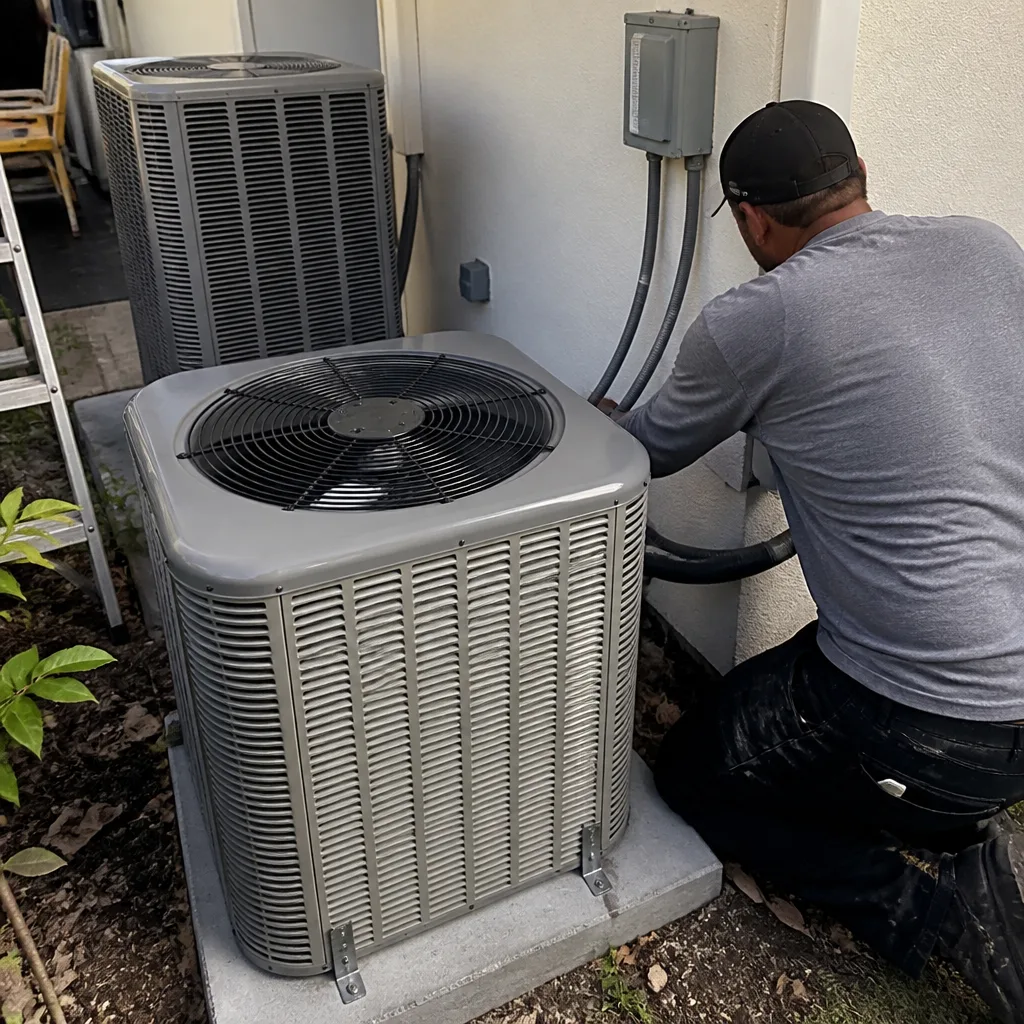
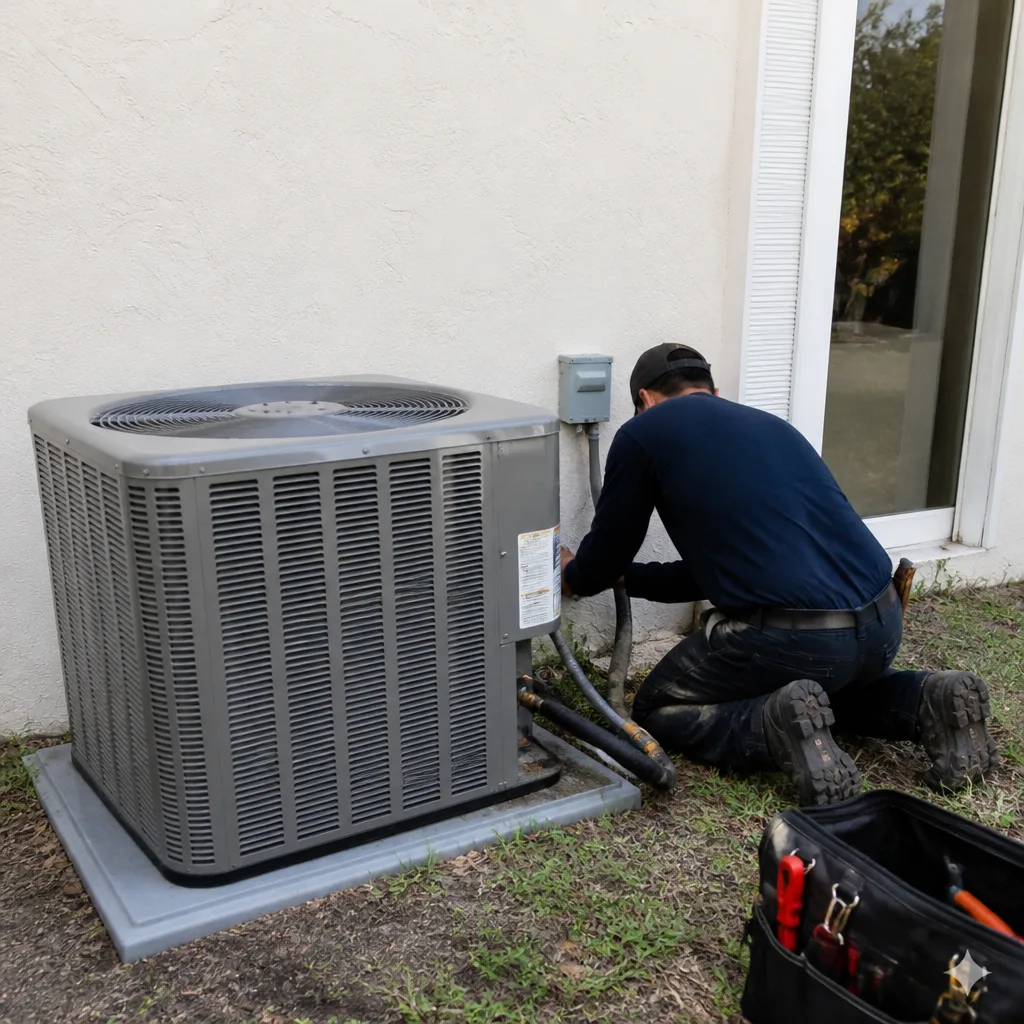
See the difference
 Before
 After
After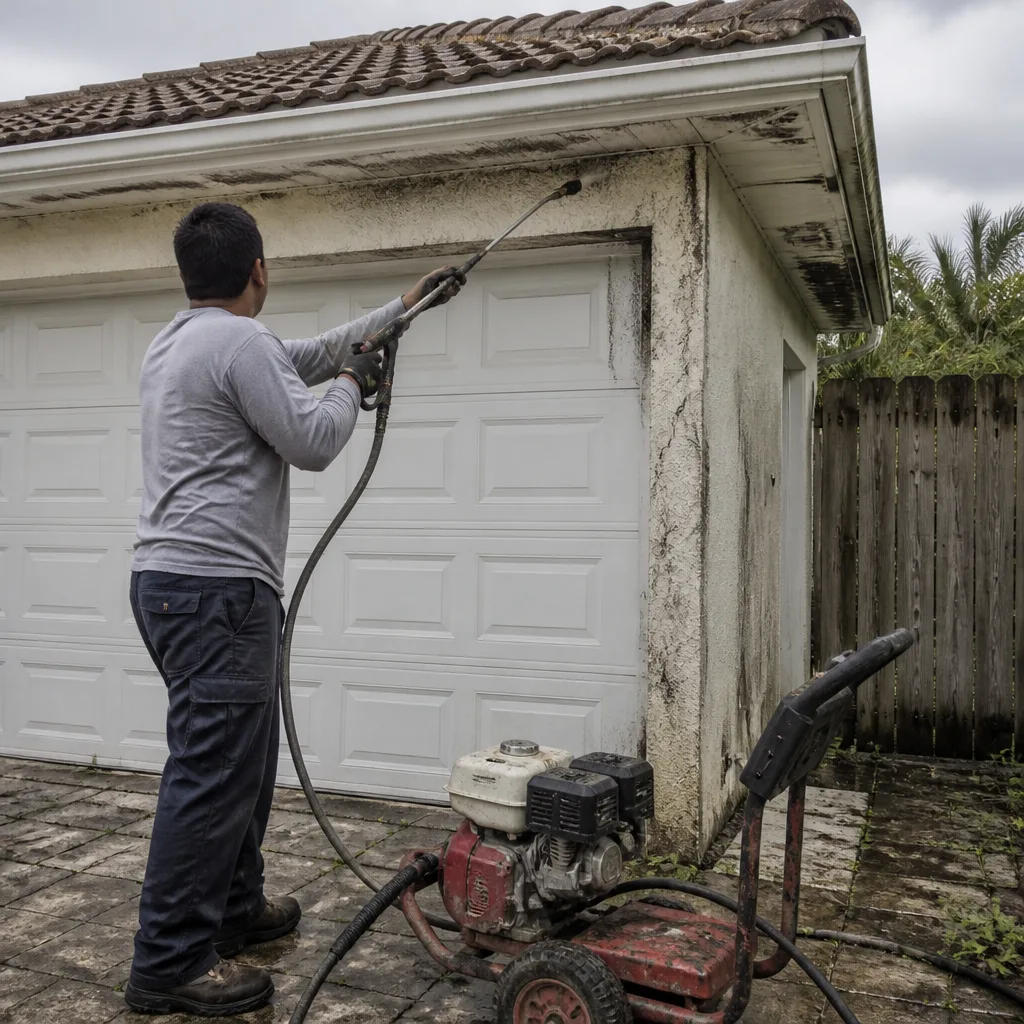 Before
 After
After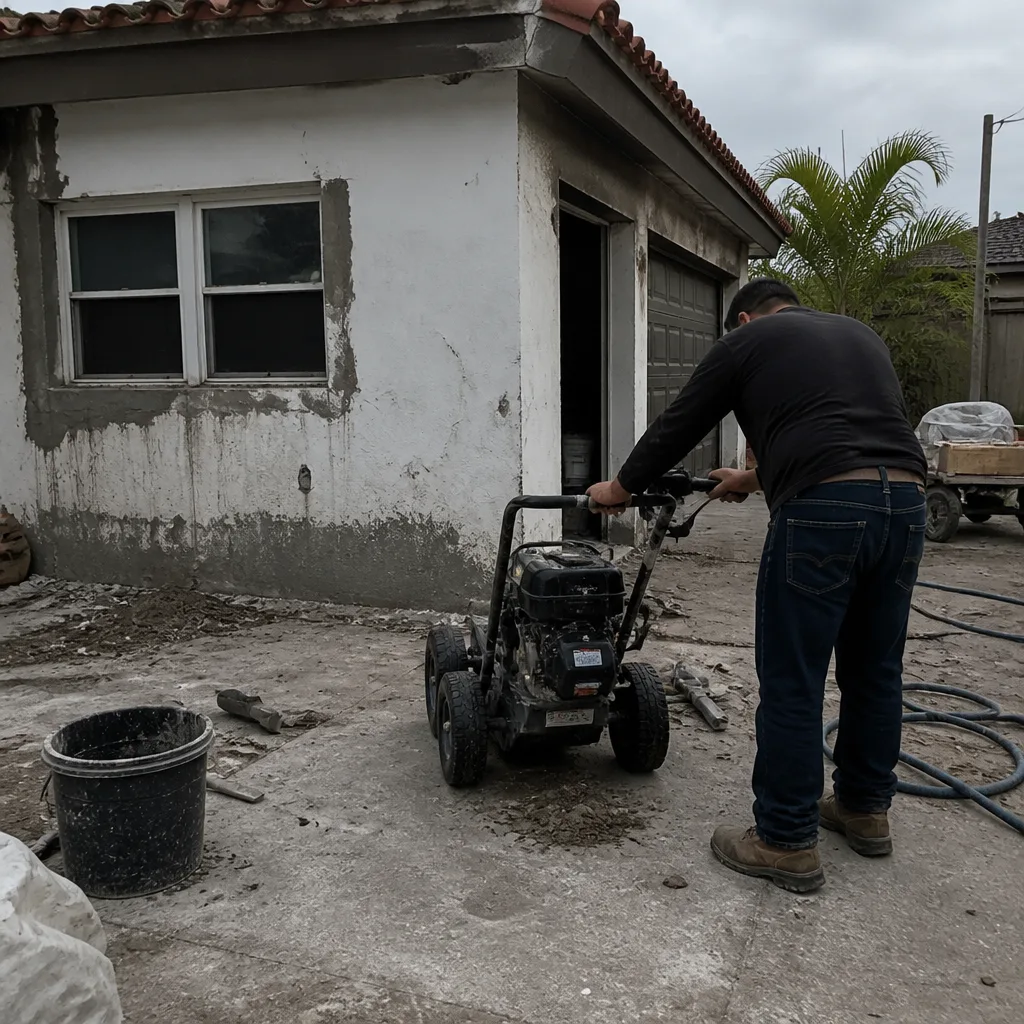 Before
 After
After