Last updated October 16, 2026
Free written scope consultation - allowances, timeline, and change-order rules on paper before a single trade is scheduled
Construction Permits, Codes & Inspections in FL: What You Need to Know
A home improvement done without a permit in Florida doesn’t just risk a stop-work order. It can void your homeowner’s insurance claim for a related loss. It can require full demolition of the unpermitted work when you try to sell. In West Palm Beach, where building codes respond to hurricane wind loads, flood zones, and salt air corrosion, the stakes are higher than in most of the country. This guide explains the system from the homeowner’s side: what requires a permit, what doesn’t, how inspections actually work, what after-the-fact permitting costs, and where the real liability hides. For more guides & resources, visit our blog.
Styles & brands we work with
Quick Answer
Most structural, electrical, plumbing, mechanical, and roofing work in Florida requires a permit before work begins. In West Palm Beach, permits are issued by the Development Services Department, which enforces the Florida Building Code 8th Edition plus local amendments. Skipping a permit risks fines, insurance claim denial, and mandatory removal of work when you sell.
Table of Contents
- Why Florida Permitting Is Different
- What Requires a Permit in West Palm Beach
- What’s Genuinely Exempt
- The Florida Building Code, 8th Edition, and Local Amendments
- The Inspection Sequence for a Typical West Palm Beach Remodel
- After-the-Fact Permits: What They Cost and When They’re Required
- How to Track Permit Status and Handle Failed Inspections
- Common Mistakes to Avoid
- When to Call a Professional
- Frequently Asked Questions
- The Bottom Line
Why Florida Permitting Is Different
If you’ve remodeled a home in another state, Florida’s system will feel unfamiliar. The Florida Building Code applies statewide, but each municipality enforces it through its own building department. West Palm Beach has its own Development Services Department, its own inspectors, and its own local amendments on top of the state code. What passes in unincorporated Palm Beach County may not pass inside city limits.
The code was rebuilt after Hurricane Andrew in 1992 exposed how weak South Florida’s construction standards were. Modern Florida code is among the strictest in the nation for wind resistance, impact protection, and moisture control. A window replacement in West Palm Beach must meet wind-load requirements that don’t exist in most states. A roof must be fastened to code to survive a Category 4 event. This is not bureaucratic friction. It’s a structural and financial shield.
Some of the practical complications we see regularly in West Palm Beach homes: older houses in neighborhoods like Grandview Heights and Flamingo Park often have undocumented work from previous owners. That becomes the current owner’s problem when a new permit pulls the property’s history into review. Insurance companies in Florida now routinely inspect homes and deny claims where unpermitted work is discovered after a water or wind loss. The permit is not a tax. It’s the paper trail that proves your home was built to the code your insurance policy assumes it was.
What Requires a Permit in West Palm Beach
The rule is simple: if the work alters structure, changes the building envelope, or touches electrical, plumbing, or mechanical systems, assume a permit is required. Here are the common triggers in West Palm Beach:
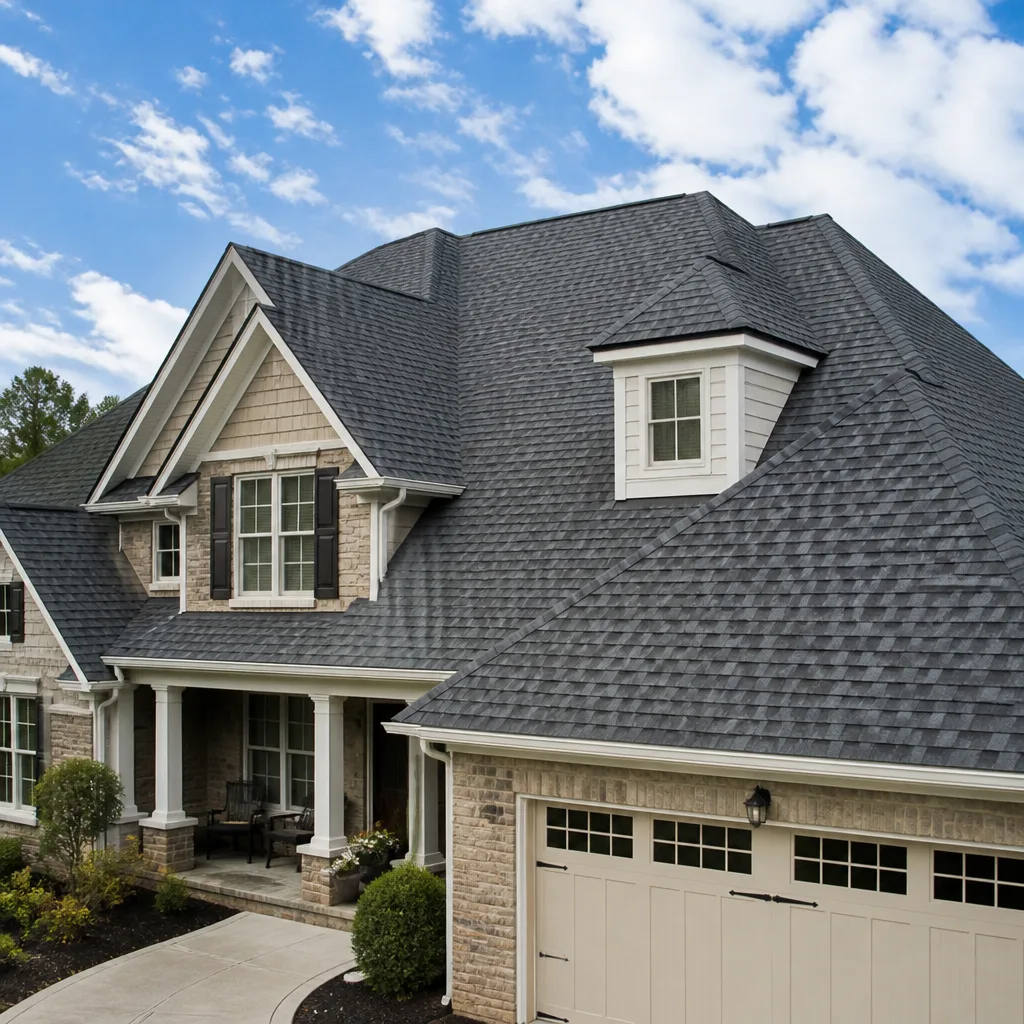
- Roof replacement or repair beyond minor shingle replacement. Florida is one of the few states where a full reroof always requires a permit and inspection, because roof attachment is a life-safety issue in hurricanes.
- Window and door replacement when the opening size changes, or when installing impact-rated products that must be verified for wind-load compliance. Replacing a window with the same size opening still typically requires a permit because the installation method and product approval matter.
- Electrical work beyond replacing a fixture or outlet. New circuits, panel upgrades, and generator installation all require permits and inspections.
- Plumbing work beyond replacing a faucet or toilet. Moving drain lines, adding a bathroom, or installing a tankless water heater requires a permit.
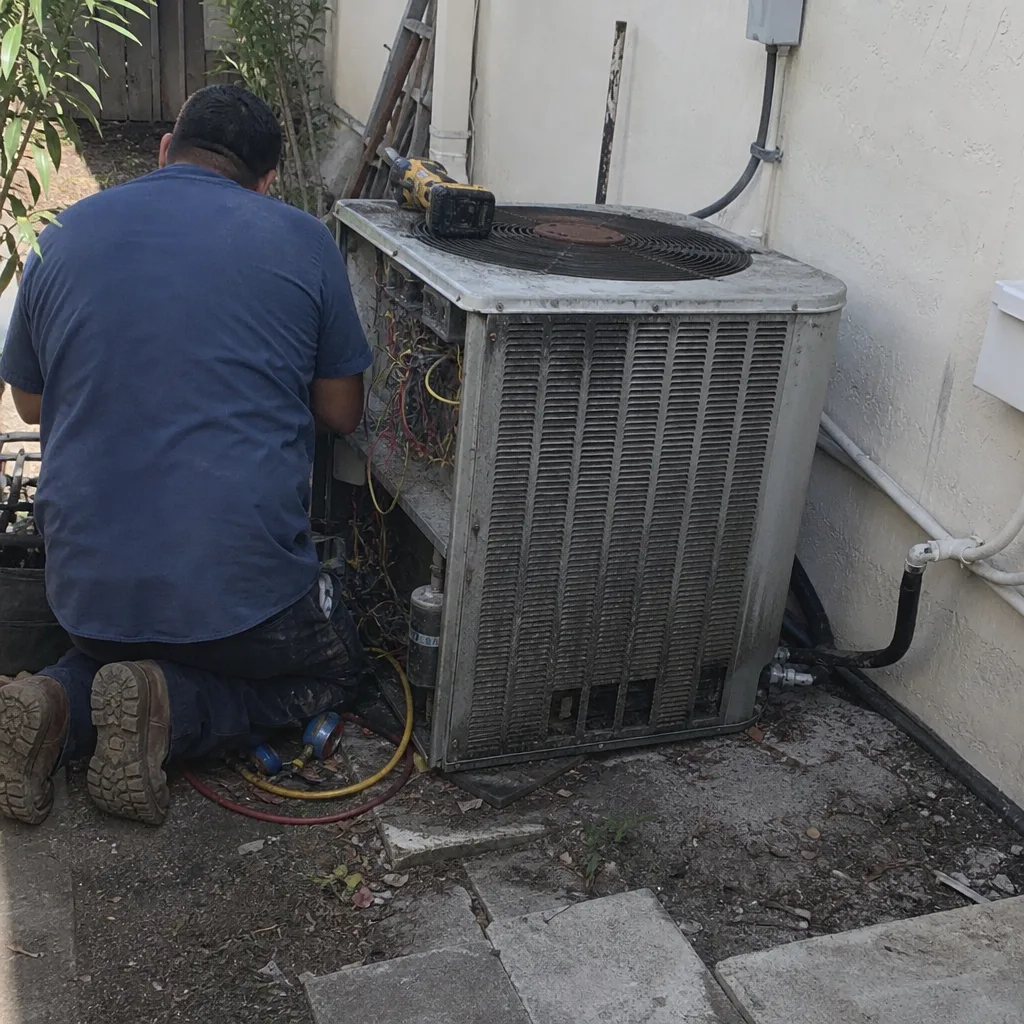
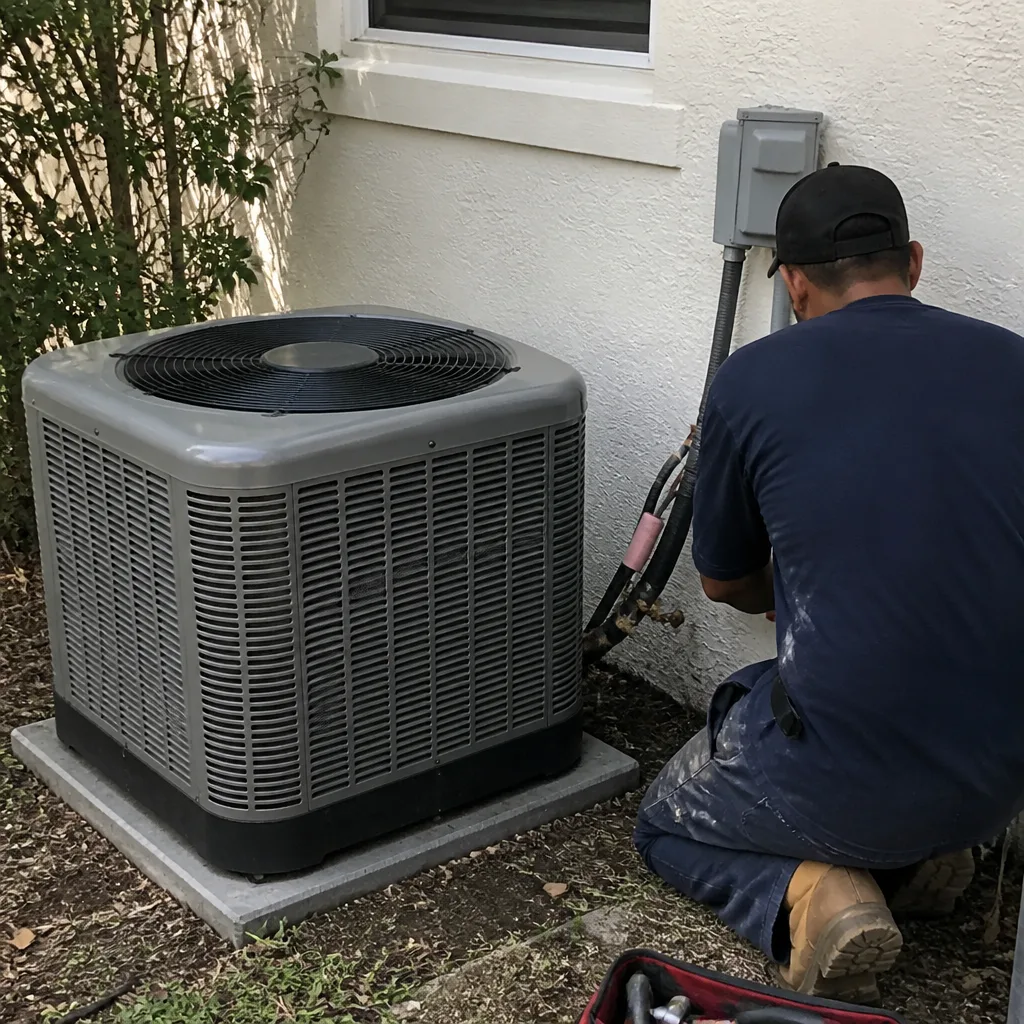
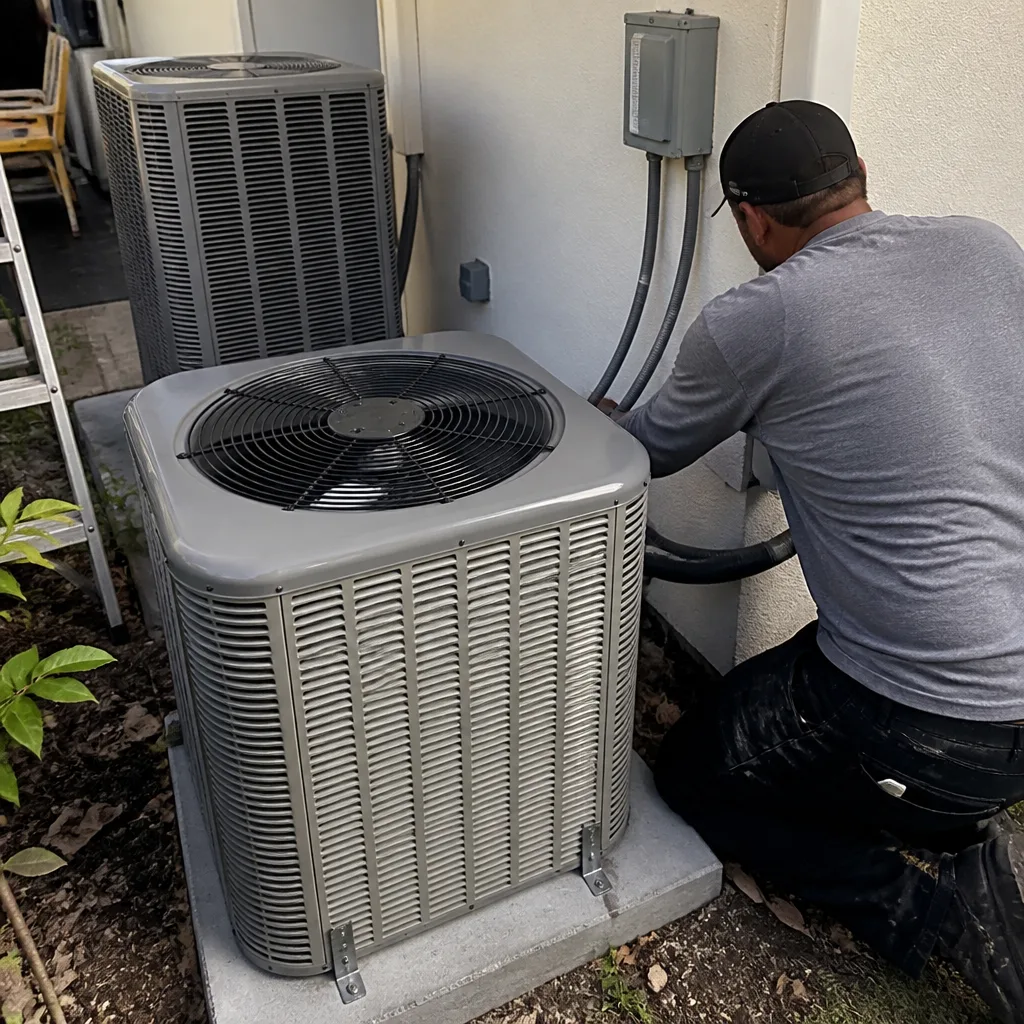
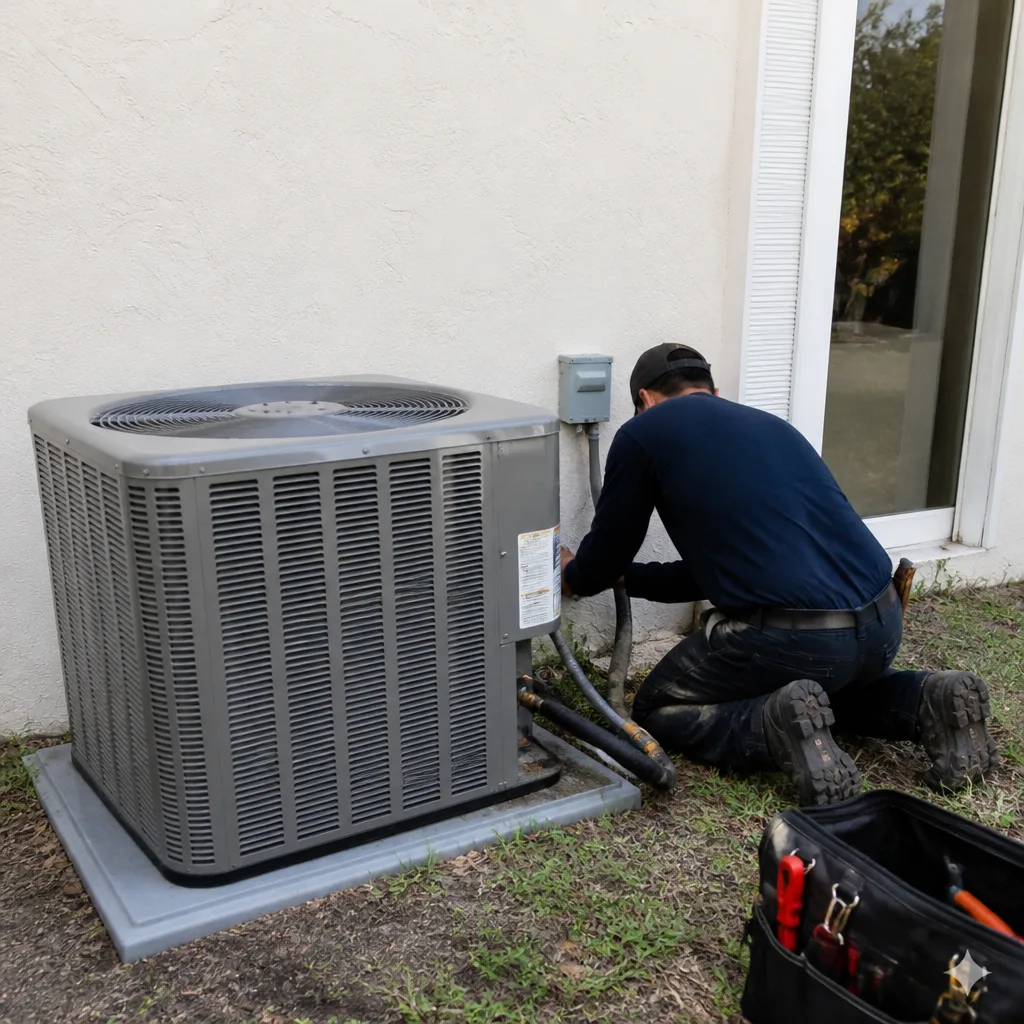
- HVAC replacement of the condenser, air handler, or ductwork. Florida’s humidity makes duct sealing and sizing a code issue, not just a comfort issue.
- Structural changes: removing or altering load-bearing walls, adding a room, building a garage, or enlarging an opening.
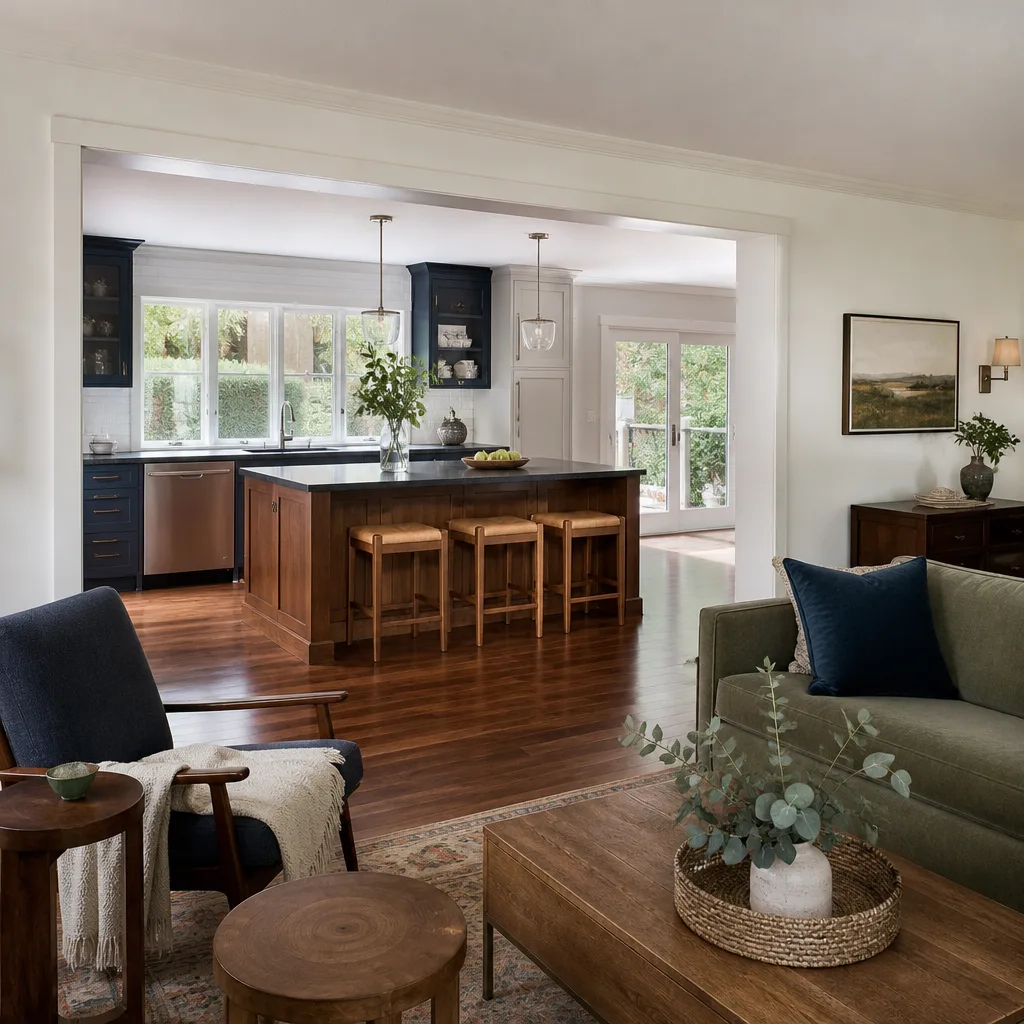
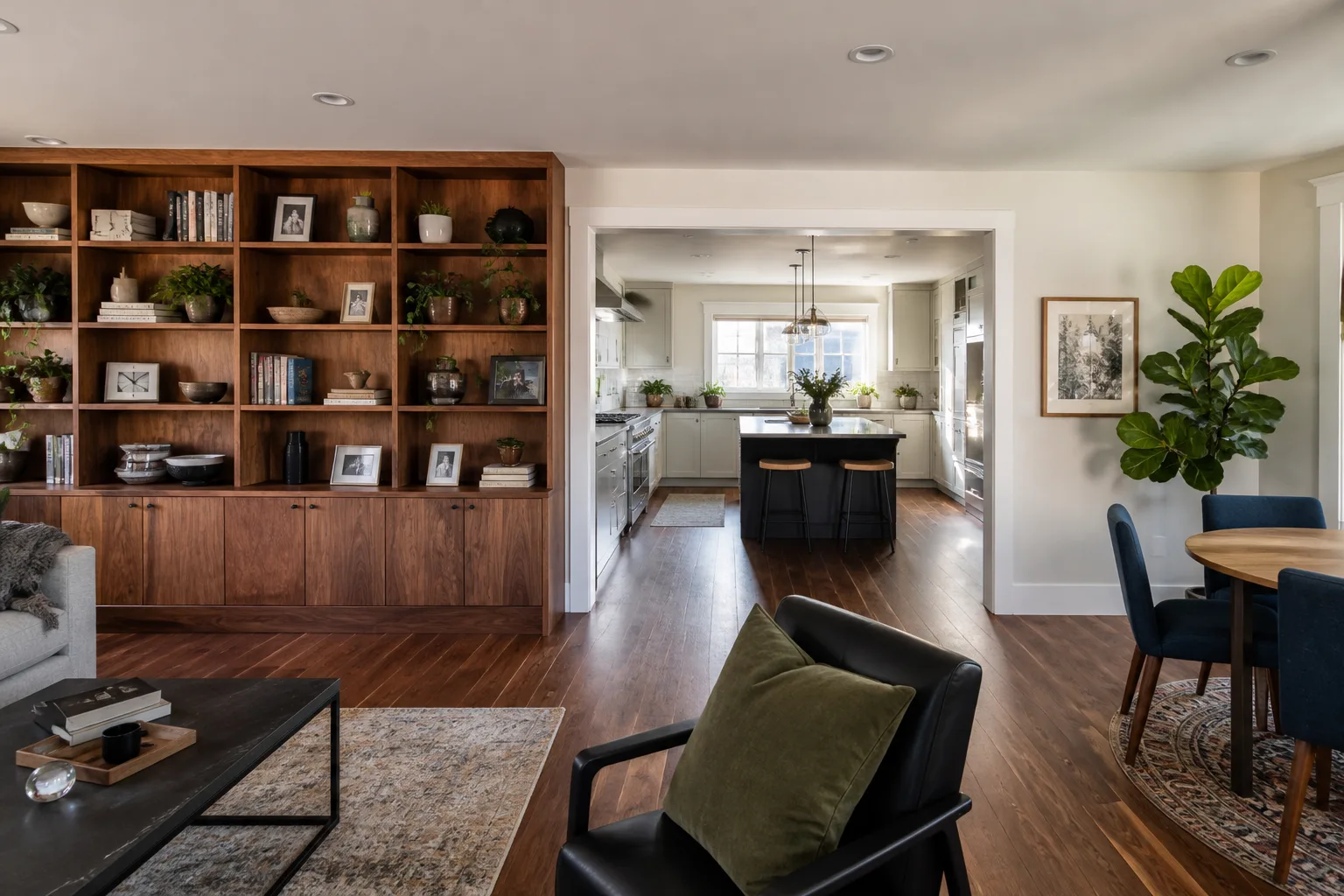
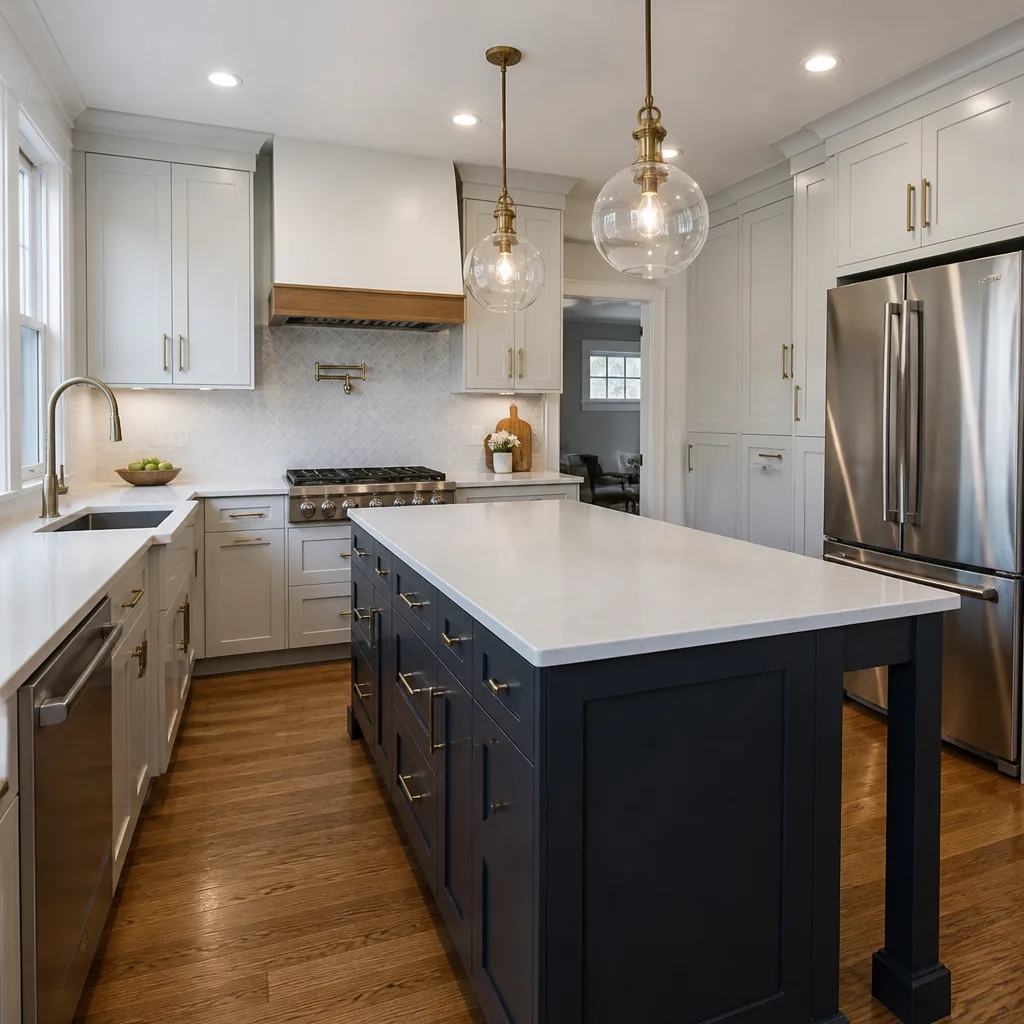
- Kitchen remodels that involve moving plumbing, electrical, or ventilation. A full kitchen remodeling in West Palm Beach project almost always requires multiple permits.
The permit fee structure in West Palm Beach is based on the valuation of the work plus a flat building fee. A $10,000 kitchen refresh will cost less in fees than a $75,000 full-gut remodel, but both go through the same review process. A General Contractor in West Palm Beach handles this paperwork as part of the job, but homeowners acting as owner-builders are legally allowed to pull their own permits and should know what they’re signing.
What’s Genuinely Exempt
Florida law lists work that does not require a permit. It’s a narrow list, and the exemptions are often misunderstood. Here’s what actually qualifies in West Palm Beach:
- Cosmetic finishes: painting, wallpaper, flooring replacement (when not structural), and trim work.
- Cabinet replacement when the layout, plumbing, and electrical stay exactly where they are. Cosmetic cabinet swaps are exempt. Moving a sink to a new island is not.
- Minor electrical: replacing an outlet, switch, or light fixture with a like-for-like unit. Adding a new circuit or moving an outlet is not exempt.
- Minor plumbing: replacing a faucet, toilet, or water heater with a like-for-like unit when the location and connection types do not change. Relocating a water heater or changing fuel type from electric to gas is not exempt.
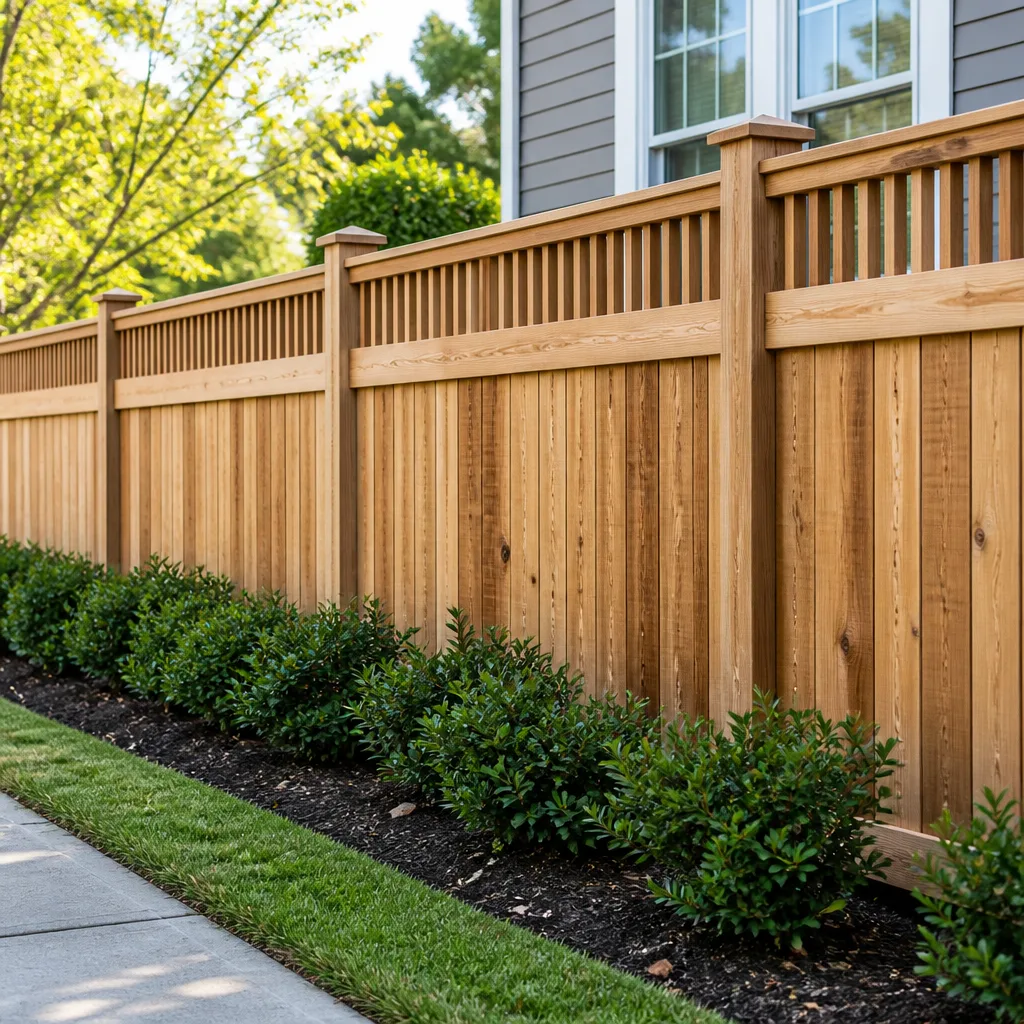
- Fence replacement under certain height and material limits, though West Palm Beach has specific rules around historic districts and waterfront properties.
- Screen enclosure repair under specific size thresholds, not full replacement of the enclosure structure.
The distinction that matters: “like-for-like replacement” is exempt. “Alteration” is not. If you’re unsure, the West Palm Beach Development Services Department will answer a phone call. A five-minute question now prevents a five-figure problem later.
The Florida Building Code, 8th Edition, and Local Amendments
Florida is on the 8th Edition of the Florida Building Code, effective December 31, 2023. The state code incorporates the International Building Code and International Residential Code with Florida-specific modifications for wind, flood, and energy efficiency. Then West Palm Beach layers local amendments on top.
For home remodeling in West Palm Beach, the most consequential differences between state code and local amendments show up in three places:
- Windows and exterior doors: West Palm Beach sits in a high-velocity hurricane zone. Impact-rated products must carry Florida Product Approval numbers. Brands like PGT and CGI manufacture products specifically tested for South Florida wind loads, and their approval documentation must be submitted with the permit application. Generic national products without Florida approval will be rejected, even if they cost less.
- Roofing: The 8th Edition strengthened requirements for roof-to-wall connections, secondary water barriers, and underlayment. Homes in West Palm Beach must meet the stricter High-Velocity Hurricane Zone provisions. This changes what a legitimate reroof costs. Any contractor quoting dramatically less than market is likely quoting to the old code or no code at all.
- Electrical: The 8th Edition adopted the 2020 NEC with Florida amendments. West Palm Beach inspectors are strict about panel clearances, GFCI locations, and grounding. An outlet placed 11 inches from a sink instead of 12 will fail inspection.
The lesson: local amendments matter. A permit set that worked in Gainesville may not pass in West Palm Beach. That’s one reason a contractor with local experience is worth more than a lower bid from outside the market, as we explore in our DIY vs Professional Construction: The West Palm Beach Homeowner’s Decision Guide.
The Inspection Sequence for a Typical West Palm Beach Remodel
Inspection sequences follow a consistent order in Palm Beach County. Here’s what a homeowner should expect and verify at each stage of a typical mid-size remodel:
- Rough inspection: After framing, plumbing, electrical, and mechanical rough-in are complete but before drywall goes up. The inspector verifies the structure matches the approved plans, the plumbing is properly vented, the wiring is correctly routed and secured, and the ductwork is sized per the approved load calculation. This is the most content-heavy inspection. If it fails, work stops until corrections are made.
- Framing inspection: Often combined with rough, but for larger projects it may be separate. The inspector checks shear walls, hurricane straps, truss connections, and header sizing. In West Palm Beach, this is where wind-load compliance is verified.
- MEP inspections: Mechanical, electrical, and plumbing may each have their own inspection depending on the scope. A 200-amp panel upgrade gets its own electrical inspection. A new gas line gets its own mechanical inspection.
- Insulation and drywall inspection: The inspector verifies R-values and that fire-rated assemblies are intact before the walls close.
- Final inspection: Everything is done. The inspector walks the completed scope, confirms the finish work matches the plans, and checks that fixtures, appliances, and hardware are installed and functional. This is also when smoke detectors and CO alarms get verified.
What a homeowner should verify at each stage: that the inspector signed off before the next trade covers the work. If drywall goes up before the rough inspection is approved, the inspector can require the drywall to be removed. A disciplined contractor never covers work before it’s signed off. A careless one hopes nobody notices.
After-the-Fact Permits: What They Cost and When They’re Required
An after-the-fact permit is what you pull when the work was done without one and you need to legalize it. This happens more than homeowners realize, often discovered during a sale, a refinance, or an insurance company’s post-loss inspection.
How it works: you apply for a permit as if the work hasn’t been done yet. The city reviews the plans, then sends an inspector to evaluate what’s visible. If the work is accessible and appears correct, the inspector may accept it. If it wasn’t done to code, or if the inspector can’t see behind walls and under floors, you may be required to expose the work, bring it to code, and re-inspect. In the worst case, the city requires full removal and replacement with permitted work.
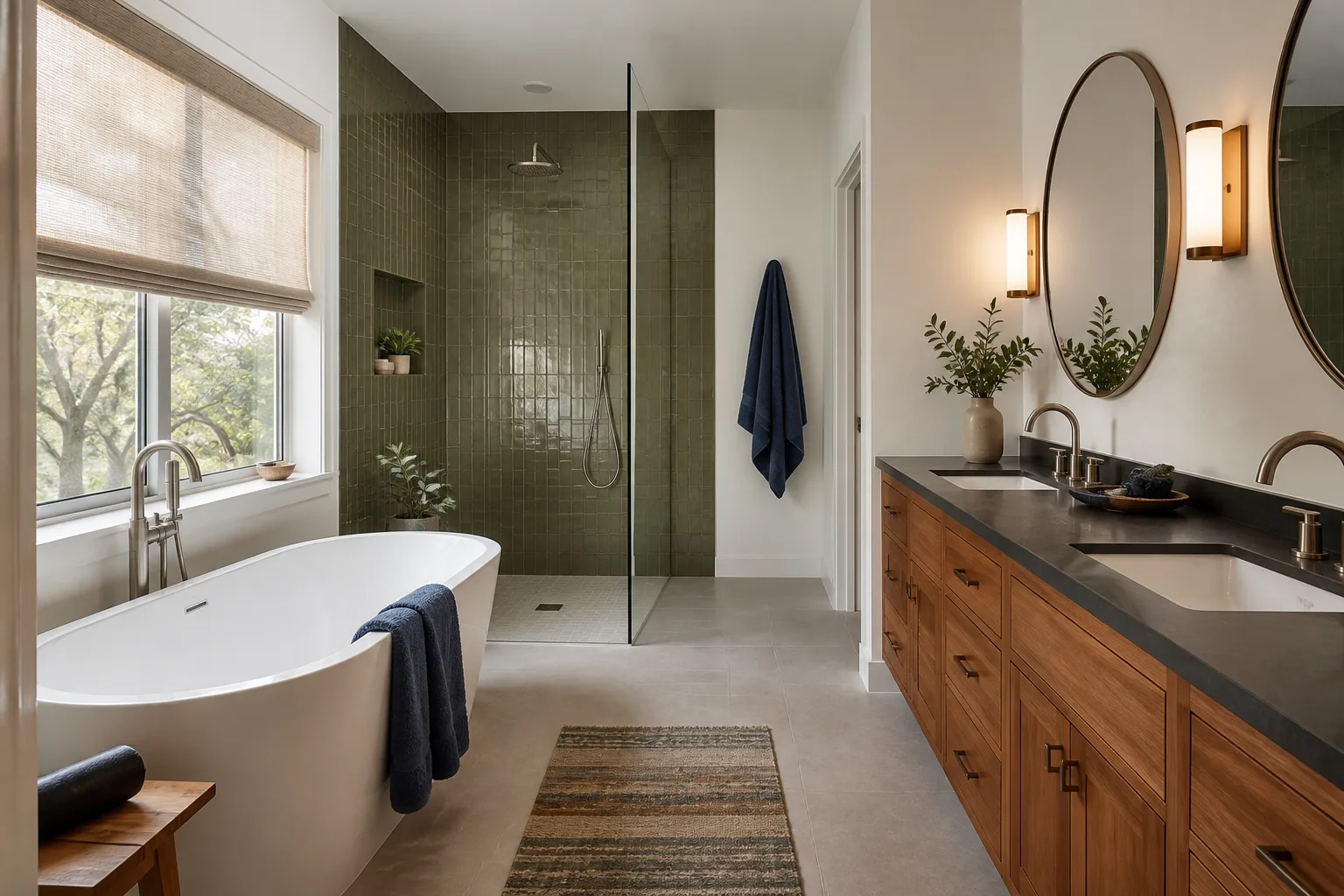
Costs in West Palm Beach typically run double or more the original permit fee. The fee is based on the valuation of the work, plus a penalty, plus the cost of any corrective work discovered during inspection. For a remodeled bathroom built without a permit, an after-the-fact legalization commonly runs $1,500 to $5,000 in permit fees, corrections, and contractor time. But that’s cheap compared to the alternative.
The alternative: an insurance claim denied because the unpermitted shower pan failed and the adjuster documented the missing permit. A sale that falls apart in underwriting because the title search revealed unpermitted square footage. A buyer who demands a $15,000 price reduction to cover the legalization risk. The permit is the cheapest part of the job. Especially when you consider what it buys.
How to Track Permit Status and Handle Failed Inspections
Palm Beach County has an online portal (ePermits) where homeowners can search permit records by address, track application status, and view inspection results. West Palm Beach permits are managed through the city’s own system, which is also accessible online. You don’t need to call anyone to check where your permit stands.
A failed inspection is not a catastrophe. It’s how the system catches errors before they become failures. Here’s what to do when an inspection fails:
- Read the report: The inspector will document exactly which code section was violated and what needs to change. The report is your punch list.
- Correct the issue: The responsible trade fixes the problem. If it’s a framing miss, the framer fixes it. If it’s the electrician’s bond screw, the electrician fixes it. This should be included in the contractor’s scope; a re-inspection fee is usually the contractor’s cost when they missed something.
- Re-inspect: Schedule the re-inspection through the same portal. In West Palm Beach, re-inspections are typically faster than first inspections because the queue is shorter.
- Keep the paperwork: Every inspection result, from the first fail to the final pass, becomes part of your property’s permanent record. That’s a good thing. It’s proof of compliance.
We’ve seen homeowners discover during a remodel that work done by a previous owner was never permitted. The discovery process is uncomfortable, but it’s better than discovering it during an insurance adjuster’s visit after a claim. The portal gives you visibility before problems get expensive.
Common Mistakes to Avoid
- Trusting a contractor who says “you don’t need a permit for this.” The contractor doesn’t carry the liability. You do. If the work requires a permit, the answer is yes, and the person telling you otherwise is not the one who loses a claim.
- Paying in cash with no paper trail. Unpermitted work paid in cash is the worst-case combination. When you need to prove what was done and by whom, you have nothing. Get a written contract with a scope of work and a price breakdown, even if you’re pulling your own permit.
- Believing “the insurance company won’t find out.” Florida insurers send inspectors after wind and water losses. They check permit records. A denied claim on unpermitted work is a documented, recurring outcome in South Florida.
- Building to the neighbor’s house instead of the code. Your neighbor may have a screened patio that’s not permitted. That doesn’t make it legal, and it doesn’t protect you. The only standard that matters is the one the inspector enforces.
- Not checking the contractor’s license before hiring. Florida licenses contractors through the DBPR. A quick lookup verifies the license is active, current, and not carrying complaints. A contractor who won’t give you a license number won’t give you a warranty either.
- Finishing the work before the final inspection. Some homeowners let the contractor skip the final because “everything looks done.” That leaves the permit open permanently, which creates a title problem when you sell. A permit that never closes is worse than no permit at all.
When to Call a Professional
Call a professional when the work you’re planning touches structure, electrical, plumbing, or the building envelope, and when the permit path is not obvious to you. That covers most remodels beyond paint and flooring. A professional contractor who works in West Palm Beach knows which questions the permit office will ask, which product approvals are required for impact windows and doors, and how to sequence inspections so the job doesn’t stall. If the scope involves load-bearing walls, a panel upgrade, or moving a bathroom, the permit set is detailed enough that a DIY attempt often costs more in corrections than hiring someone who does it every week. Bradford Remodeling Co West Palm Beach home is led by Curtis Lane and has been part of the Garrison Partners family since 2004, operating under the Garrison Standard, which puts every price and guarantee in writing before a single tool comes out. We offer free estimates in West Palm Beach. Call (728) 203-9809 and a live person answers, 24/7.
Frequently Asked Questions
A typical West Palm Beach building permit for a mid-size remodel runs $500 to $2,500 depending on the valuation of the work, plus plan review fees if plans are required. The city calculates fees based on the declared cost of construction, not a flat rate. Call (728) 203-9809 and we’ll help you scope the permit requirements for your project before you spend anything.
Unpermitted work becomes a title and disclosure problem at sale. The buyer’s inspector or lender may flag it, the buyer may demand a price reduction to cover legalization, and some lenders refuse to underwrite a loan on a property with unpermitted structural work. You may be required to pull an after-the-fact permit, expose the work, and bring it to code before the sale can close.
Yes. Florida allows owner-builders to pull permits for work on their own primary residence. The homeowner signs an affidavit accepting full liability for code compliance, worker safety, and any defects. It’s legal and common, but the liability is the homeowner’s alone. If the work fails, there’s no contractor to hold responsible.
Simple over-the-counter permits like a water heater replacement or reroof can be issued in a few days. Permits requiring plan review, like a kitchen remodel or room addition, typically take two to four weeks depending on the review queue and the completeness of the plan set. Incomplete submittals are the biggest cause of delay.
Yes. Every project that requires a permit gets one. The permit is part of the written price you receive before work starts, and the inspection record becomes part of your project file. We don’t skip permits, and we don’t ask homeowners to pull them on our behalf.
The 365-Day Done Right Promise covers all work completed by Bradford Remodeling Co West Palm Beach for a full year from the completion date. If the work fails within that window, we return and correct it at no charge. That guarantee is written, signed, and in your hand at job close, not stated verbally and forgotten.
The Bottom Line
Florida’s permitting system is a legal framework that protects homeowners from bad construction, insurance denial, and resale disaster. The permit fee is a fraction of the cost of correcting unpermitted work later. The inspection process is a free third-party verification of your contractor’s work. The paperwork you keep is proof your home was built to code. In West Palm Beach, where hurricanes, humidity, and salt air punish shortcuts, the by-the-book approach is the only one that holds up. Bradford Remodeling Co West Palm Beach does it by the book, puts every price and guarantee in writing before work starts, and stands behind the finished job for a full year under the 365-Day Done Right Promise. Call (728) 203-9809 for a free estimate, and a live person will answer.
Written by Curtis Lane, Owner at Bradford Remodeling Co West Palm Beach, serving West Palm Beach since 2004.
See the difference
 Before
 After
After Before
 After
After Before
 After
After