Last updated October 16, 2026


Free written scope consultation - allowances, timeline, and change-order rules on paper before a single trade is scheduled
General Contractor Maintenance Checklist for West Palm Beach Homeowners
The number-one cause of unexpected remodel cost in South Florida isn’t bad contractors. It’s deferred maintenance that turns a $400 caulk job into a $14,000 rot repair inside a wall cavity. West Palm Beach homes face a set of failure points that generic online checklists simply don’t address: humidity intrusion, UV degradation, salt air, tropical storm cycles, and building assemblies specific to Palm Beach County construction. This guide gives you a straight, month-by-month maintenance schedule built for how homes actually fail here, plus a clear line on what General Contractor services should document versus what a handyman legally cannot assess.
Quick Answer
A West Palm Beach home maintenance checklist should follow the region’s real calendar: storm-hardening checks in May, peak-storm vigilance from August through October, and a dry-season inspection window from December through February. The highest-priority items are exterior caulk and sealant integrity, impact window and door hardware, moisture intrusion at wall penetrations, and roof flashing at all transitions. Homeowners should track material failure timelines common to 1960s – 1990s CBS block construction, flat roofs, and aluminum windows, and every walkthrough should distinguish between what a handyman can patch and what a licensed general contractor must document. For more guides & resources on protecting your home, see our blog.
Styles & brands we work with
Table of Contents
- The Month-by-Month Maintenance Calendar for West Palm Beach
- Material Failure Timelines in 1960s – 1990s West Palm Beach Construction
- Impact Window and Door Hardware: What Salt Air Does to Warranty Assumptions
- Exterior Caulk and Sealant: The Inspection Routine That Prevents Hidden Rot
- What a General Contractor Documents vs. What a Handyman Cannot Assess
- Flat Roofs and CBS Block: West Palm Beach Specifics
- Tropical Storm Prep: The Homeowner’s Pre-Season Sequence
- The Dry-Season Inspection Window (December – February)
The Month-by-Month Maintenance Calendar for West Palm Beach
West Palm Beach does not have four seasons. It has two: wet and dry. Maintenance that follows a northern calendar wastes effort on the wrong tasks at the wrong time. Here is the schedule that matches how homes actually degrade in this climate.
January – February: The Dry-Season Inspection Window
This is the best time of year for a full exterior walkthrough in West Palm Beach. Humidity is lower, rain is less frequent, and you can see moisture staining that the wet season hides. Use this window for:
- Full roof inspection, including flashing at penetrations, valleys, and edge details
- Exterior paint and caulk assessment on all window and door perimeters
- Termite inspection at the base of CBS block walls and any wood-framed additions
- Gutter and downspout clearing before spring rains return
- Exterior wood trim inspection for signs of fungal decay from the prior wet season
In our experience, the homeowners who schedule a professional walkthrough during this window catch problems when they are still $500 repairs instead of $10,000 rebuilds.
March – April: Pre-Storm Prep Begins
Spring in West Palm Beach means rising temperatures and the first afternoon thunderstorms. Before the daily rain pattern locks in:
- Walk the perimeter and reseal any visible cracks in stucco or exterior caulk.
- Check all exterior doors for proper sweep and threshold seal integrity.
- Inspect window tracks and weep holes for debris that traps water against the frame.
- Service the HVAC condensate drain line and confirm the drip pan drains freely.
- Clear all roof drains and scuppers on flat or low-slope roof sections.
Roof drains on flat roofs are a critical failure point in West Palm Beach. When they clog during a summer downpour, water ponds, and ponding water on a flat roof is how membrane failures begin.
May: Full Hurricane Season Preparation
Atlantic hurricane season officially starts June 1. May is the month to do the real work, not the week before a storm is forecast.
- Test every impact-rated window and door for proper latching and seal compression.
- Service garage door reinforcement hardware and confirm the door closes completely flush against the jamb.
- Inspect and lubricate all hinge and track hardware on impact doors.
- Trim all trees and remove dead limbs within falling distance of the structure.
- Document the condition of the roof with dated photos, including all flashing edges.
- Verify that shutters, if your home uses them instead of impact glass, are complete and operational.
This is also the time to have a licensed general contractor do a structural walkthrough, not just a visual once-over, as outlined in our How to Hire a Construction Contractor in West Palm Beach: A Step-by-Step Guide. Loose roof deck fasteners and failing wall-to-roof connections are not visible to a homeowner standing in the driveway.
June – July: The Wet Season Maintenance Rhythm
Once the daily thunderstorms begin, maintenance shifts from prevention to monitoring. Check interior ceilings for water staining after every major storm event. Inspect the attic or crawl space monthly for moisture. Watch for mildew on exterior walls that stay shaded during the hottest part of the day. Address any standing water near the foundation within 48 hours; in West Palm Beach, standing water adjacent to a slab is an open invitation to termites and soil movement.
August – October: Peak Storm Vigilance
This is the highest-risk window of the year for West Palm Beach. Atlantic water temperatures peak in September, and the strongest storms historically occur during these months. Keep the following ready:
- Documented insurance inventory of the home’s exterior condition, updated monthly with photos
- A written list of emergency contacts, including your insurance agent and a licensed general contractor
- All impact hardware confirmed operational and accessible
- Roof drains and gutters cleared after every significant storm
Do not tape windows. It does not prevent breakage, and it leaves a residue that is difficult to remove. Impact-rated windows and doors are engineered to specific Miami-Dade County standards; let them do their job.
November – December: Post-Season Recovery and Dry-Season Prep
After the last significant rain of the wet season, schedule a full exterior inspection. Look for:
- Water staining on interior ceilings that appeared during the summer
- Caulk failure at any exterior joint that saw sustained sun and rain
- Signs of salt-air corrosion on metal hardware, hinges, and fasteners
- Evidence of wind-driven moisture intrusion around window and door frames
- Flat roof membrane wear at seams and flashing points
Then use the dry season to address what you found. The cycle repeats.
Material Failure Timelines in 1960s – 1990s West Palm Beach Construction
West Palm Beach has a large inventory of homes built between 1960 and the late 1990s. These structures share common materials that have predictable failure timelines. Knowing these timelines tells you what to inspect and when.
CBS Block Construction
CBS stands for concrete block stucco. It is the dominant exterior wall system in West Palm Beach, and it is durable but not maintenance-free. The critical failure points are:
- Stucco cracking: Hairline cracks are normal; cracks wider than 1/16-inch that grow over time indicate movement or moisture swelling. Inspect annually.
- Control joint sealant: Sealant in stucco control joints fails within 7 – 10 years in South Florida UV exposure. Failed sealant allows water to enter the wall cavity.
- Paint film degradation: Exterior paint over CBS block breaks down under UV at a rate faster than northern climates. Expect repainting every 5 – 7 years, not the 10 – 12 year manufacturer timelines written for temperate zones.
Flat and Low-Slope Roofs
Many West Palm Beach homes from the 1960s and 1970s have flat or very low-slope roofs. These assemblies fail differently than shingle roofs. The membrane, whether modified bitumen or an early single-ply, has a service life of 10 – 15 years under South Florida UV load. The seams fail first, then the flashing at penetrations and parapet walls. Inspect flat roofs every six months, not yearly. One small seam failure can channel water into the interior for months before it shows on a ceiling.
Aluminum Single-Pane Windows
Homes from the 1980s and 1990s in West Palm Beach commonly have single-pane aluminum windows. The frames themselves last, but the glazing seals fail within 10 – 15 years, causing condensation between panes and reduced energy performance. More critically, aluminum frames without thermal breaks sweat in humid weather, and the weep-hole system that drains the track gets clogged with salt and debris. Clogged weep holes push water into the rough opening, where it rots the wood bucks behind the frame. This is one of the most common hidden repair costs we see in older West Palm Beach homes.
Wood Framing at Exterior Transitions
Even in CBS block homes, wood is used at specific transitions: roof overhangs, window and door bucks, garage door framing, and soffits. In West Palm Beach humidity, wood in these locations begins to decay when moisture content stays above 20% for sustained periods. The failure is usually not visible from the exterior; it shows up as soft spots when probed. That is why a maintenance walkthrough should always include physical probing of wood at transitions, not just visual inspection.
Impact Window and Door Hardware: What Salt Air Does to Warranty Assumptions
Impact windows and doors are engineered to meet Miami-Dade County standards, and the glass units themselves are genuinely durable. But the hardware on those units degrades faster in coastal West Palm Beach than manufacturer warranty language implies. A manufacturer may warrant a hinge for 20 years; salt air does not read the warranty.
The Specific Failure Points
- Hinge pins and roller assemblies: Stainless steel hardware corrodes at a slower rate, but zinc-plated hardware on some impact units develops pitting within 5 – 7 years of salt-air exposure. Pitted hinges bind, and binding hinges change the door’s geometry enough to break the seal compression.
- Multi-point locking systems: These locks have internal mechanisms that are not sealed against humidity. Salt-air ingress into the gearbox causes progressive stiffness, then failure. If the lock feels different month to month, it is degrading.
- Weatherstripping compression: The flexible gaskets that create the impact-rated seal lose compression in heat and humidity. Replace gaskets every 3 – 5 years, and inspect compression every spring and fall.
- Frame-to-wall anchor bolts: Impact units are anchored through the frame into the structure. If the frame shifts or the anchor loosens, the unit’s blast resistance is compromised without any visible exterior damage.
The Maintenance Routine
- Operate every impact window and door monthly. A full open-close-lock-unlock cycle, not a glance.
- Lubricate hinges, tracks, and locking mechanisms twice yearly with a silicone-based lubricant that does not attract salt.
- Clean weep holes quarterly. Use compressed air or a soft brush. Clogged weep holes on impact units drain water into the frame channel and accelerate internal corrosion.
- Test the seal compression by closing the unit on a piece of paper. If the paper pulls free without resistance, the gasket needs replacement.
When a structured walkthrough reveals hardware that cannot be brought back to proper function, a General Contractor in West Palm Beach can assess whether the unit needs repair or full replacement. If you’re already addressing multiple windows, this often folds into a broader Home Remodeling in West Palm Beach scope.
Exterior Caulk and Sealant: The Inspection Routine That Prevents Hidden Rot
The most expensive repairs in West Palm Beach do not start with visible damage. They start with a failed bead of caulk at a window perimeter, a pipe penetration, a door threshold, or a stucco control joint. Moisture gets in, stays in, and works its way through the wall cavity. By the time you see the stain, the framing is already compromised.
We have opened wall cavities in West Palm Beach homes where the damage traced back to a single failed seal at a hose bibb penetration. The repair required removing stucco, cutting out rotted framing, and rebuilding the assembly. The original fix would have been less than $50 of sealant.
Where to Inspect, in Priority Order
- All exterior penetrations: hose bibbs, electrical conduit, cable lines, plumbing vents, dryer vents. Every hole in the exterior skin is a potential water entry point.
- Window and door perimeter joints: the interface between the frame and the rough opening, sealed from the exterior, is the single most common intrusion point in CBS block homes.
- Stucco control joints: these joints exist to absorb movement. The sealant in them must remain flexible and fully adhered. If it is cracked, peeling, or pulling away, water has a direct path into the substrate.
- Roof flashing transitions: where the roof membrane meets a parapet wall, a chimney, or a plumbing vent, the flashing and sealant work together.
- Door thresholds: the threshold pan and its seals at the sides, where wind-driven rain is forced horizontally against the door.
The Inspection Routine
Walk the perimeter with a flashlight twice a year: once in December, once in May. Look at every seal.
- Run a fingernail along each caulk bead. If it crumbles, flakes, or separates from either surface, it is done.
- Look for dark staining under the caulk line. Staining means water is getting behind the seal.
- Check for gaps where the bead has pulled away from one side. This is called one-sided adhesion failure, and it means the joint was not properly prepped when the caulk was applied.
The product matters as much as the routine. In West Palm Beach, use a high-quality polyurethane or modified-silicone sealant rated for UV exposure and movement. Cheap acrylic caulk fails within two Florida summers. And the substrate (that’s the surface the sealant bonds to) must be clean, dry, and free of old sealant. Clean prep is the difference between a seal that lasts ten years and one that fails in two.
For homeowners who prefer a structured professional review of every exterior seal on the property, our Bradford Remodeling Co West Palm Beach home walks through a documented 30-point exterior checklist during the estimate process.
What a General Contractor Documents vs. What a Handyman Cannot Assess
Florida law draws a hard line between what a handyman can do and what requires a licensed contractor. Understanding that line protects you from an expensive discovery later: work done by an unlicensed person on structural elements can void your insurance coverage and create problems when you sell the home.
What a Licensed General Contractor Should Document During a Maintenance Walkthrough
- Structural connections: wall-to-roof ties, roof deck fastening, and any evidence of uplift damage from prior storms.
- Load-bearing wall integrity: signs of settlement, cracking, or water damage in CBS block walls and wood-framed load paths.
- Moisture intrusion mapping: not just where moisture is, but where it entered, how far it traveled, and what assemblies are affected.
- Termite and wood-destroying organism damage: a licensed contractor who has opened walls in West Palm Beach can identify the difference between old damage and active infestation.
- Code compliance for any future work: the walkthrough should flag any condition that will need to be brought to current Florida Building Code when the next remodel happens.
What a Handyman Legally Cannot Assess or Repair in Florida
- Structural repairs: any repair to a load-bearing wall, roof structure, or foundation requires a licensed contractor.
- Roof work beyond minor maintenance: Florida law restricts roofing work to licensed roofing contractors or general contractors performing within scope.
- Electrical and plumbing beyond fixture-level swaps: once work extends past the fixture into wiring or piping within walls, a license is required.
- Impact window and door installation: products must be Miami-Dade certified and installed to product approval specifications. A handyman cannot pull the permit.
- Any work requiring a permit: if the work triggers a permit requirement, an unlicensed person cannot legally perform it.
The Garrison Standard, the framework behind how our team operates, exists because we have seen too many homeowners in West Palm Beach pay twice: once for a handyman patch that masked a structural problem, and again for the real repair after the damage spread. A maintenance walkthrough should produce documentation, not just a to-do list.
Flat Roofs and CBS Block: West Palm Beach Specifics
Most national maintenance advice assumes pitched shingle roofs and wood-framed walls. A significant share of West Palm Beach homes are different. Here is what actually matters for the local assemblies.
Flat Roof Maintenance Specifics
- Keep drains and scuppers clear year-round, not just in storm season. A single clogged drain during a summer afternoon storm can pond hundreds of gallons on a flat roof.
- Inspect the membrane at every seam, every penetration, and every transition. These are where failures begin, not in the middle of the field.
- Check parapet wall cap flashing. Missing or loose cap flashing lets water run directly into the top of the wall, behind the membrane.
- Look for blisters in the membrane field. Blisters indicate moisture trapped between layers.
- Reseal all pitch pockets annually. Pitch pockets around penetrations are a maintenance item, not a permanent detail.
James Hardie products and other cementitious trim materials hold up well on flat-roof edge details because they resist the constant UV and moisture cycling better than wood. Several West Palm Beach homeowners we work with use fiber cement trim at roof edges specifically to eliminate the recurring rot repair cycle.
CBS Block Maintenance Specifics
CBS walls are strong but porous at their surfaces. Stucco is the protective skin, and once the stucco is compromised, water enters the block and travels horizontally. In a CBS block wall, water intrusion on one side of the house can cause damage on the other side, a full room away, because the block cores channel water laterally. This is a failure pattern that is invisible from the exterior and only discovered when interior finishes begin to show staining. Watch for:
- Efflorescence (white mineral staining) on interior block walls, which indicates water moving through the masonry
- Crack propagation in stucco that extends from a corner or above a window head
- Hollow-sounding stucco, which indicates delamination from the block substrate
Tropical Storm Prep: The Homeowner’s Pre-Season Sequence
The time to prepare a West Palm Beach home for a tropical storm is not the 72 hours before landfall. It is the month before the season starts, plus consistent vigilance throughout. Here is the sequence we recommend to homeowners who want a house that sheds wind and water instead of collecting it.
Step 1: Document Everything
Take dated photos of the roof, every exterior wall, all impact windows and doors, and all exterior penetrations. Store the photos in the cloud. Insurance claims after a storm depend on documentation of the pre-storm condition.
Step 2: Verify Structural Connections
Have a licensed general contractor check the roof-to-wall anchoring, especially on homes built before the 1994 Florida Building Code tightening. Weak connections are the primary cause of roof loss in high winds.
Step 3: Test All Impact Hardware
Operate every window and door fully. Confirm latches engage completely. Lubricate and adjust anything that binds. A 140-mph window is useless if the latch is only half-engaged.
Step 4: Secure the Site
Remove or secure all loose items in the yard. Identify trees that need trimming. Close and lock all openings. For a homeowner in West Palm Beach, this routine should take a weekend in May, not a panic in September.
Step 5: Know Your Contractor’s Post-Storm Protocol
Before the storm, know who you will call if the house takes damage and whether they have a post-storm assessment process. Home Remodeling in West Palm Beach after a storm event often requires coordination between insurance adjusters and structural contractors; knowing who you are working with ahead of time removes one variable during a high-stress period.
The Dry-Season Inspection Window (December – February)
The three months from December through February are the most valuable maintenance months in West Palm Beach, a key focus of our Seasonal Construction Care for West Palm Beach: Year-Round Homeowner’s Guide. The lower humidity makes moisture problems visible, the absence of daily storms gives a stable work window, and the cooler temperatures make attic and roof work safer.
What to Inspect During the Dry Season
- Attic moisture evidence: the wet season leaves behind condensation, mildew, and water staining in attics. Look for dark stains on the underside of roof sheathing and rust on metal connectors.
- Exterior sealant condition: the dry season is when failed caulk is easiest to spot because it has contracted and pulled away from the surface.
- Interior wall staining: dry air wicks moisture out of wet wall cavities, revealing stains that were invisible during humid months.
- HVAC condensate system: the system has been running hard through the wet season. Clean the condensate pan, test the drain line, and replace the filter.
- Termite activity: dry season is when termite tunnels and frass are most visible at the exterior of the home.
At Kitchen Remodeling in West Palm Beach, we frequently see homeowners begin a renovation during the dry season because it is the most predictable window for scheduling exterior work, window replacement, and structural repairs. If your dry-season inspection reveals issues that have been living inside your walls since the last storm, this is the window to address them professionally.
Common Mistakes to Avoid
- Waiting until June to prepare for hurricane season. By June, you are competing with every other homeowner in West Palm Beach for contractor time, materials, and attention. May is the month to do the work.
- Using acrylic caulk on exterior joints. Acrylic caulk fails under South Florida UV and humidity within two years. Use polyurethane or modified silicone rated for movement and UV exposure.
- Ignoring weep holes. Every window and impact door has weep holes that drain the frame track. When they clog, water is forced into the wall. Clean them quarterly.
- Treating stucco cracks cosmetically. Filling a growing stucco crack with surface patch material does nothing if the underlying movement continues. Track crack width over time and call a professional if it expands.
- Relying on a handyman for structural assessment. A handyman cannot legally assess or repair structural elements in Florida. You need a licensed general contractor for anything load-bearing.
- Skipping the post-storm inspection because nothing looked damaged. Wind-driven moisture can enter through failed seals without leaving exterior damage. The interior staining shows up weeks later. Inspect after every significant storm, not just after direct hits.
- Assuming impact windows are maintenance-free. The glass is engineered to high standards, but the hardware, gaskets, and weep systems require regular service. The performance rating depends on the entire unit functioning, not just the glass.
See the difference
 Before
 After
After Before
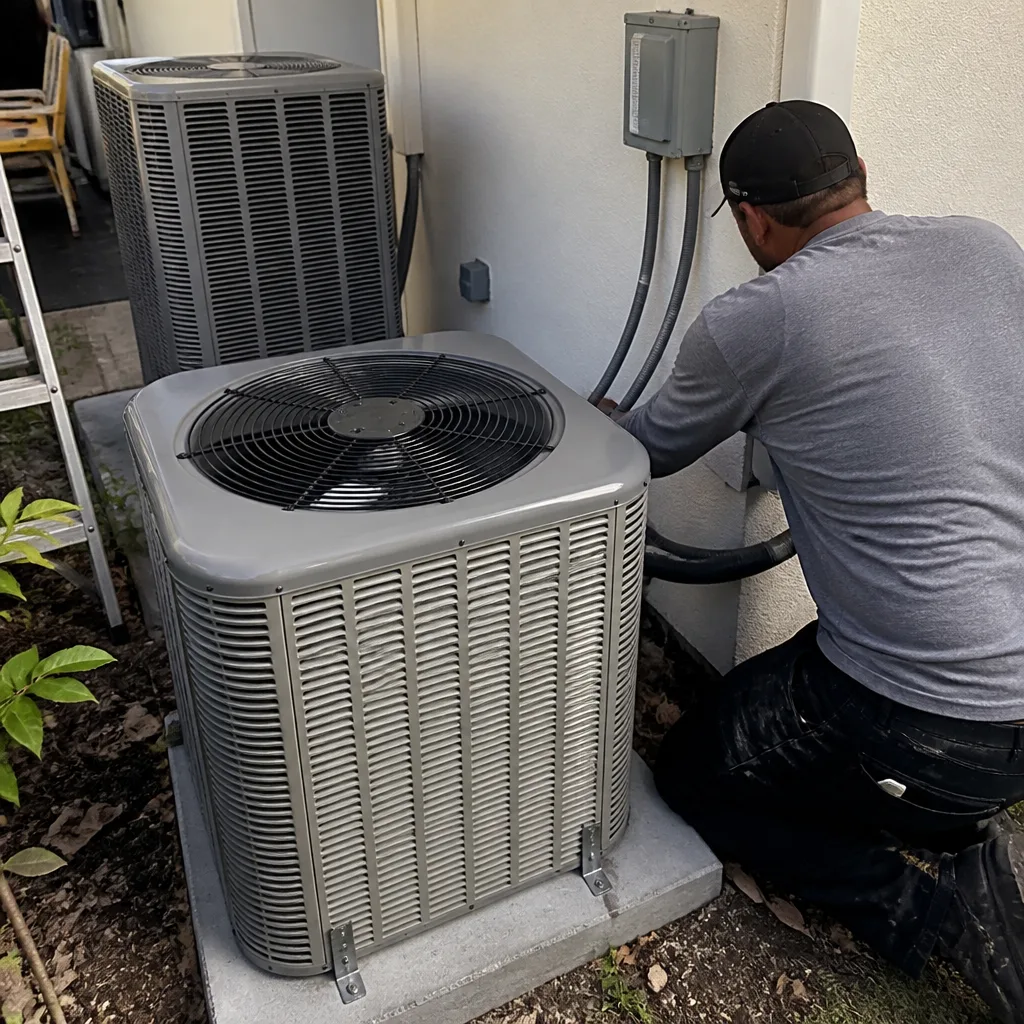 After
After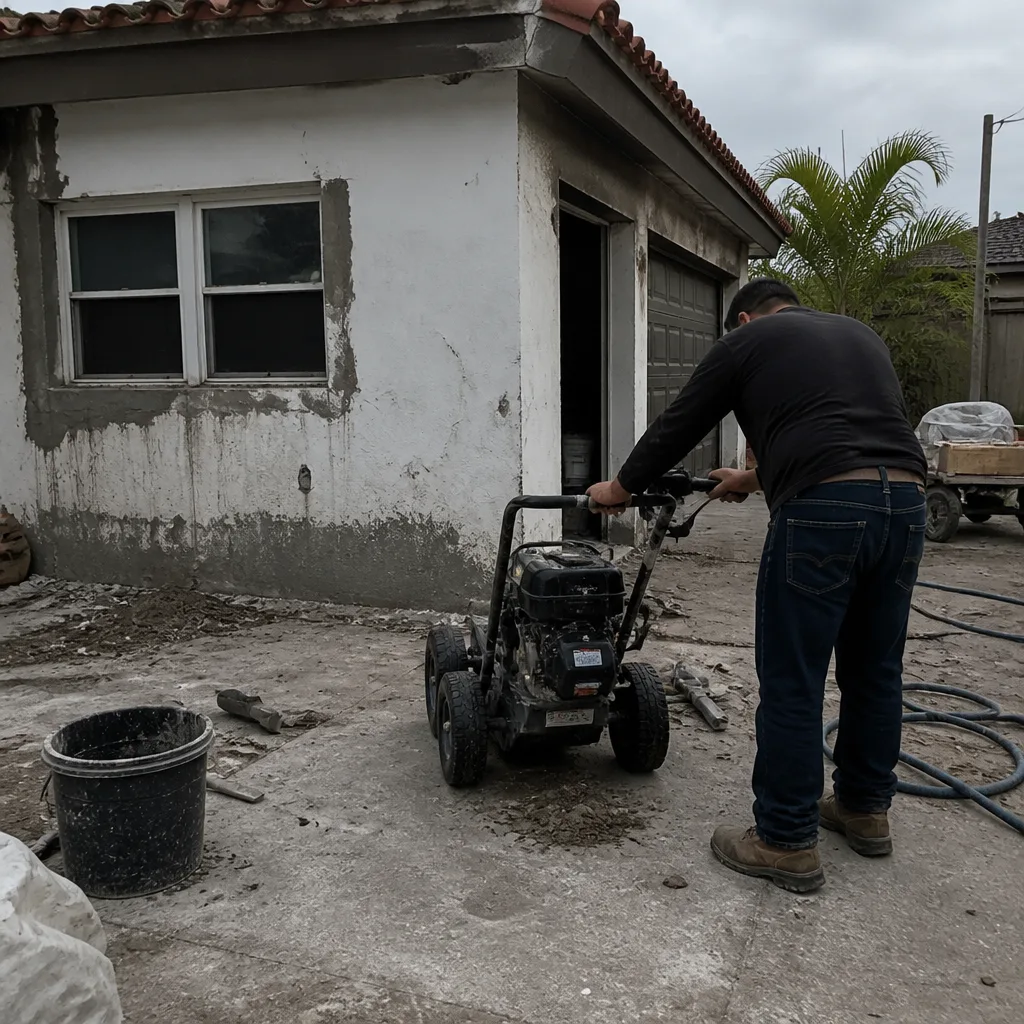 Before
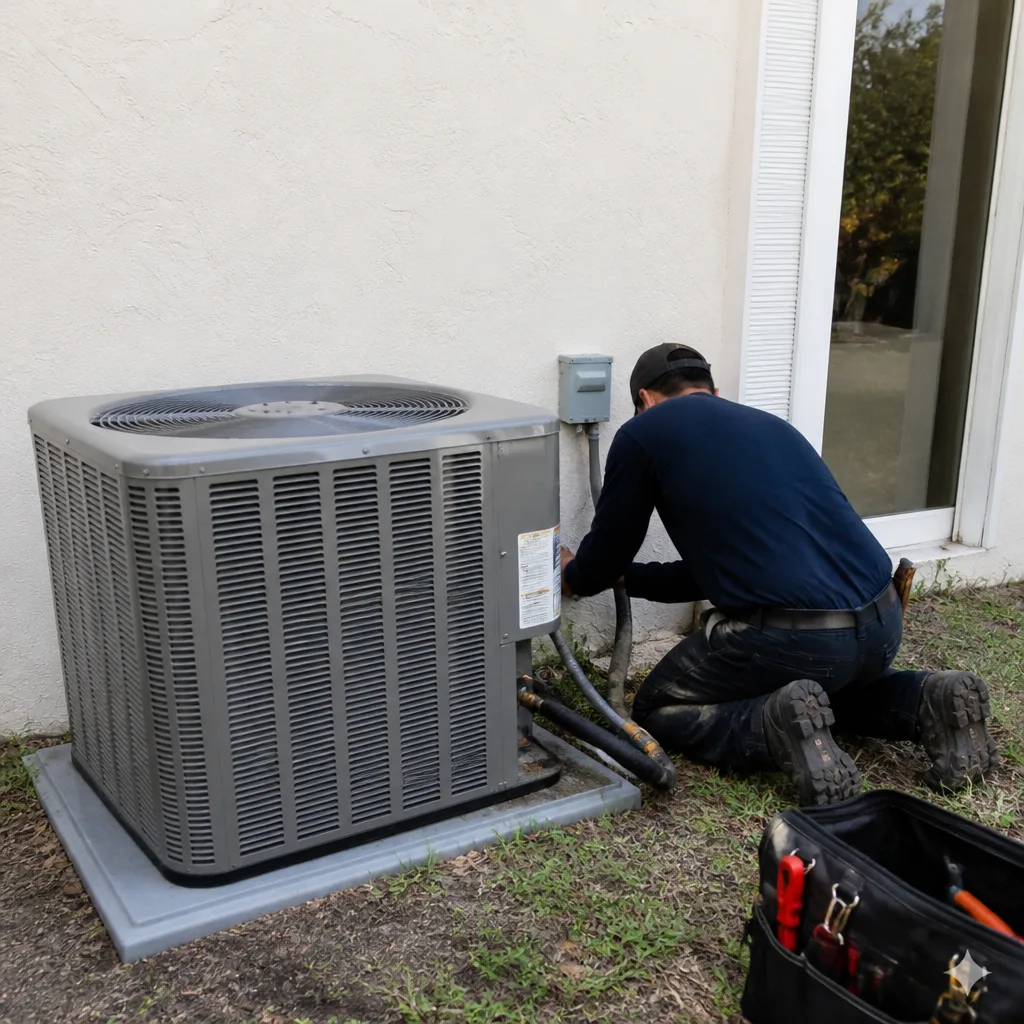 After
AfterWhen to Call a Professional
Call a licensed professional when you find structural cracking that is widening, moisture staining that cannot be traced to an obvious source, flat roof membrane failure, impact hardware that no longer latches correctly, or wood rot discovered when probing exterior transitions. These are not patch-and-move-on conditions. They require documentation, diagnosis, and in many cases permits. A kitchen remodel or bathroom remodel may seem unrelated to a roof leak, but moisture intrusion in one area rarely stays in one area. It travels through wall cavities and settles into whatever assembly gives it a path. Bradford Remodeling Co West Palm Beach offers free estimates in West Palm Beach; call (728) 203-9809 to schedule a maintenance walkthrough or discuss any finding on your checklist.
Frequently Asked Questions
A full maintenance inspection twice a year, once in May before hurricane season and once in December during the dry-season window, covers the two critical checkpoints. Flat roofs and homes within two miles of the Intracoastal should add a third inspection in October. Call (728) 203-9809 to schedule a walkthrough around your property’s specific exposure.
Water damage inside wall cavities from failed sealant at window and door perimeters. By the time it is visible on interior finishes, the framing behind the wall is usually compromised. The original repair would typically have cost under $100. The hidden repair regularly runs into five figures.
Many licensed general contractors offer maintenance walkthroughs at no charge as part of their estimate process, with the understanding that any findings will generate a written quote for the needed work. Bradford Remodeling Co West Palm Beach includes a documented exterior review with no estimate fee. Get an exact figure by calling (728) 203-9809.
Yes. The glass panels are engineered to Miami-Dade standards, but the hinges, locking mechanisms, gaskets, and weep holes on impact units degrade faster in salt air and humidity than manufacturer warranties imply. Monthly operation, quarterly weep-hole cleaning, and semi-annual lubrication keep the full assembly performing to its rating.
A handyman can handle fixture-level work: replacing a faucet, patching a drywall hole, painting. A licensed general contractor is legally required for structural repairs, roofing, electrical or plumbing work that extends into walls, impact window and door installation, and any work requiring a permit.
Most flat roof membranes in South Florida last 10 to 15 years, with performance degrading faster on roofs with ponding water or poor drainage. Seam failure, blistering, and flashing separation are indicators the membrane is nearing the end of service life. A roofer or general contractor can assess the remaining life. Call (728) 203-9809 for a straight assessment, not a sales pitch.
The Bottom Line
West Palm Beach homes fail in predictable ways: sealant degrades under UV, salt air corrodes hardware, wind-driven moisture finds every gap, and flat roofs collect water when drainage fails. The maintenance schedule in this guide is built for those realities, not for a generic climate. Walk the perimeter twice a year, document everything, service the impact hardware, clear the drains, and do not let a handyman tell you a structural issue is cosmetic. The homeowner who follows this routine spends less on repairs and discovers problems before they become expensive ones. That is the whole job.
Written by Curtis Lane, Owner at Bradford Remodeling Co West Palm Beach, serving West Palm Beach since 2004.