Last updated October 16, 2026




Free written scope consultation - allowances, timeline, and change-order rules on paper before a single trade is scheduled
How to Hire a Construction Contractor in West Palm Beach: A Step-by-Step Guide
Florida’s Department of Business and Professional Regulation logged over 3,000 contractor complaints in a single recent year, and most of those cases started with a homeowner who checked references, compared a few bids, and never once looked up the contractor’s license status on the DBPR database. That one skipped step is where nearly every horror story begins. This guide replaces the folklore most homeowners in West Palm Beach have heard, things like “get three bids and pick the middle one,” with a documented, sequential process that filters out unlicensed operators and vague scopes before any money changes hands. For The Complete Guide to Construction in West Palm Beach and more, read on. Read it before you sign anything.
Quick Answer
To hire a construction contractor in West Palm Beach, verify their Florida DBPR license status directly on the state database, confirm they can pull permits in their own name, demand a written contract that meets Florida Statute 489.126, review the scope language line by line, and structure payments so no more than 10% is paid upfront on jobs under $2,500. Anyone who passes those four checks is worth a serious look. Anyone who resists even one of them is telling you to walk away.
Styles & brands we work with
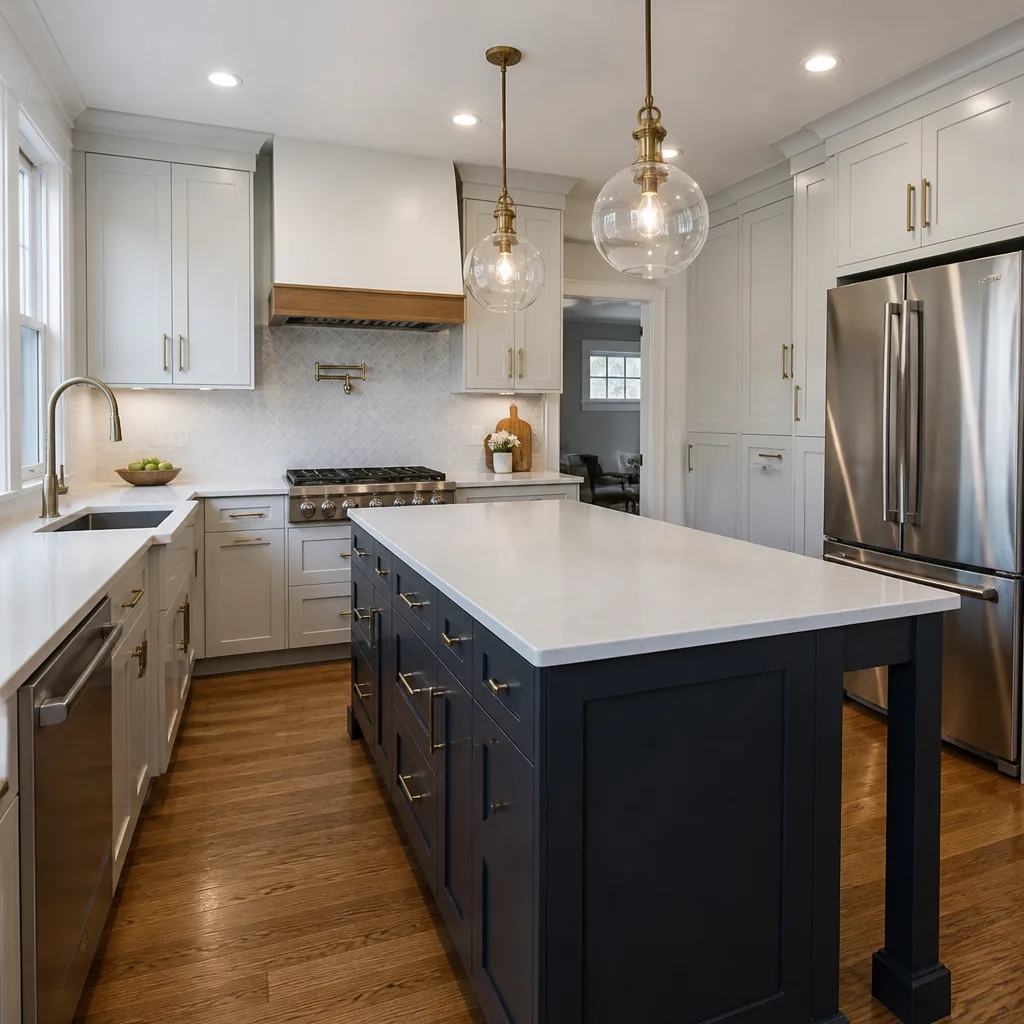
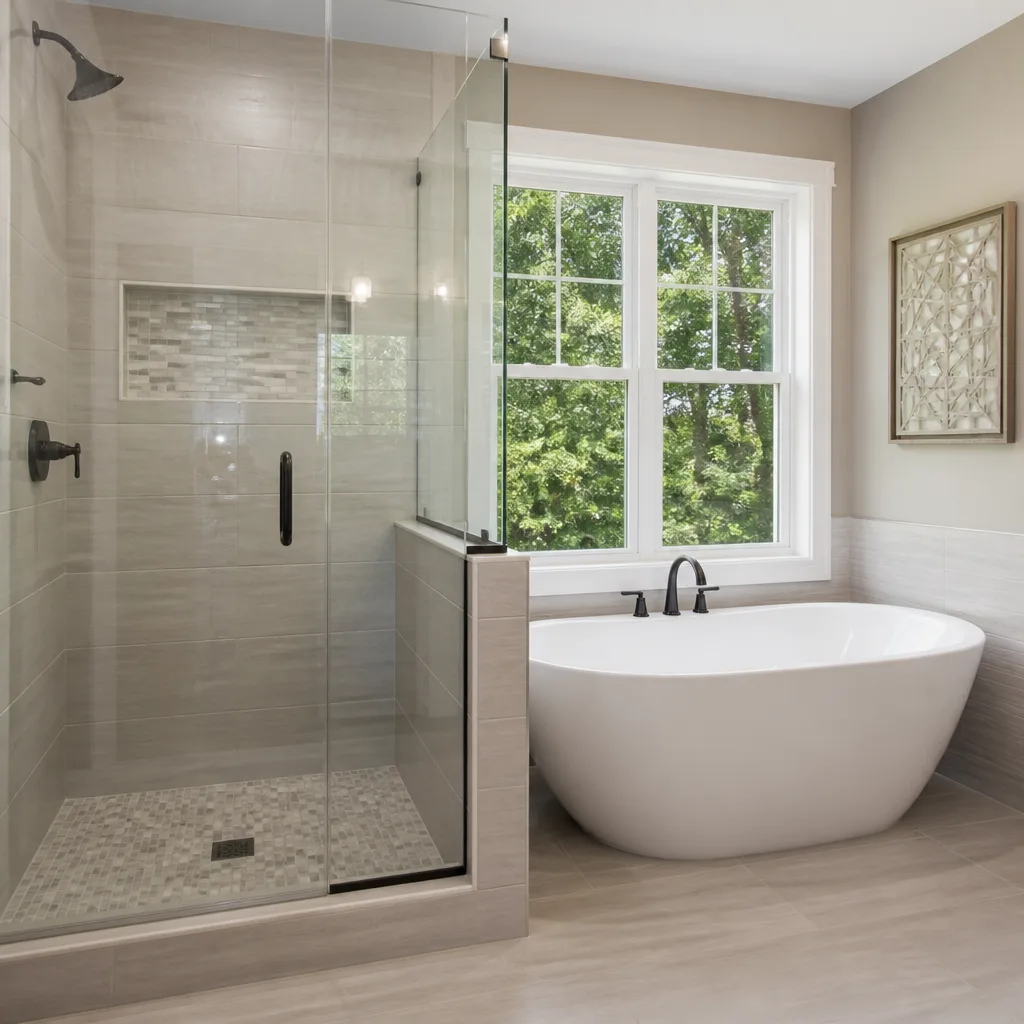
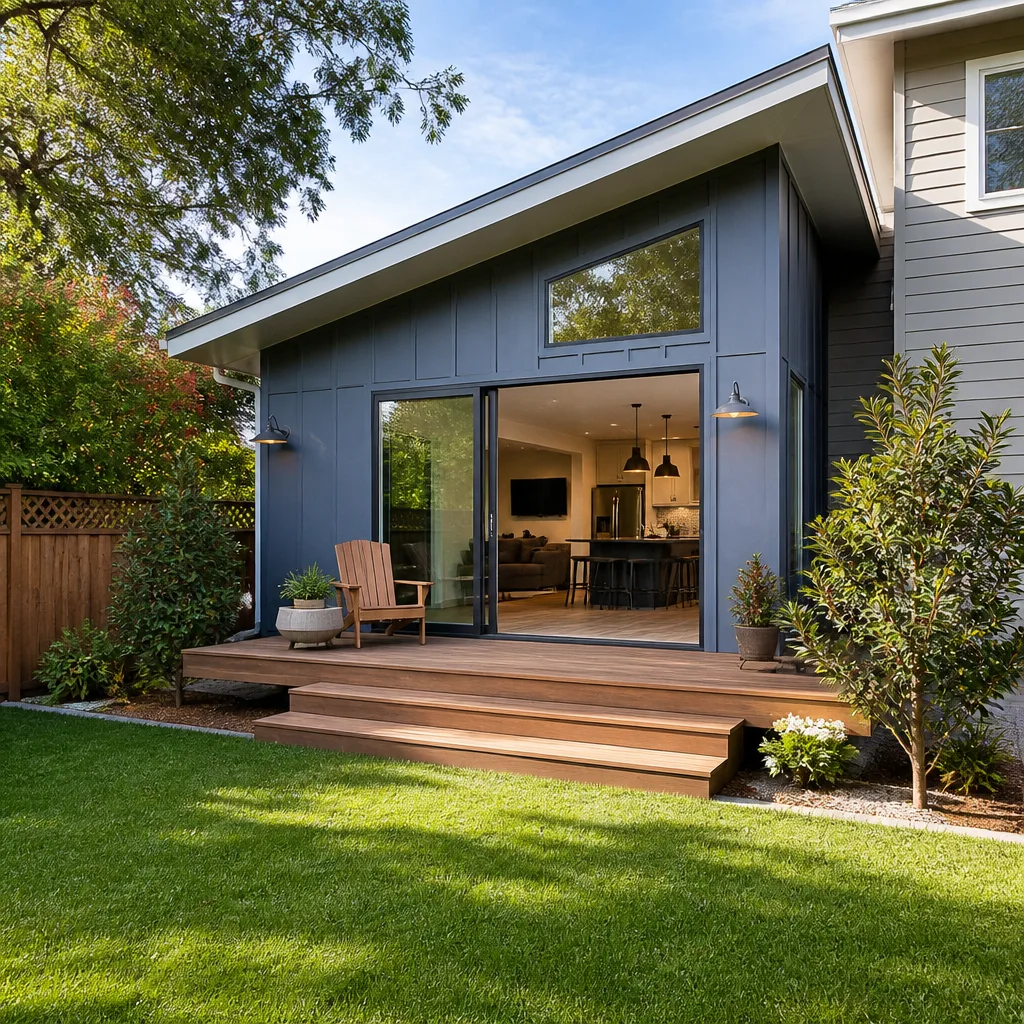

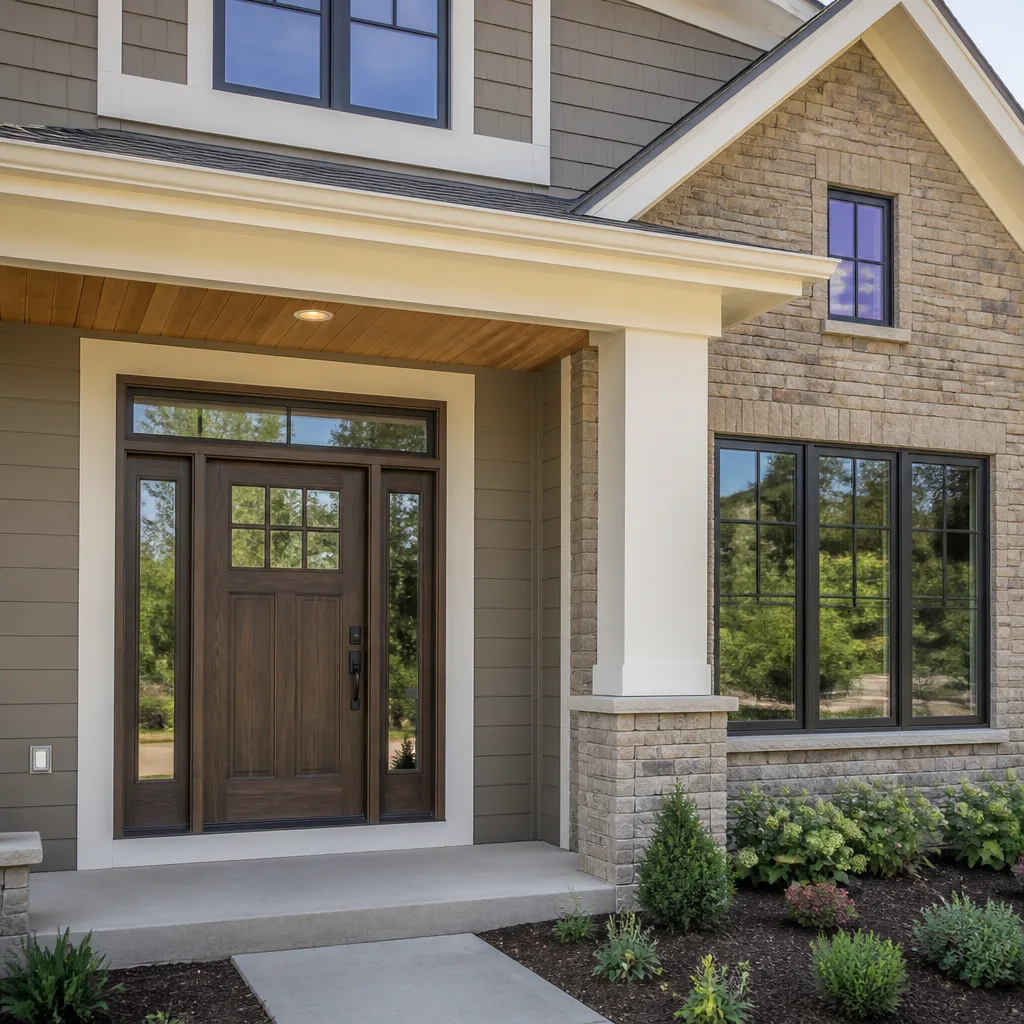
Table of Contents
- Step 1: Verify the License on the DBPR Database
- Step 2: Know the Difference Between Certified and Registered
- Step 3: Demand a Written Contract That Meets Florida Statute 489.126
- Step 4: Read the Scope Language Like a Building Inspector
- Step 5: Structure the Payment Schedule So You Hold the Leverage
- Step 6: Use the Permit Application as a Vetting Tool
- Step 7: Confirm Insurance and Bond Coverage Before Work Starts
- Step 8: What a Squared-Away Job Looks Like After You Hire
Step 1: Verify the License on the DBPR Database
The single most important step in hiring a contractor in West Palm Beach takes about four minutes and costs nothing. Go to the Florida Department of Business and Professional Regulation website, click on “Verify a License,” and enter the contractor’s name or license number. If nothing comes up, the conversation is over. Do not let them explain why. Do not accept a story about how their license is “in process” or how they work under someone else’s license. A legitimate contractor in Florida has an active, current DBPR license, and you can see it with your own eyes before you ever invite them to walk your property. We’ve met homeowners who skipped this step and discovered six months into a project that the person they hired was never licensed at all. The cost to fix that mistake is measured in tens of thousands.
What should the license record show? Look for a status of “Active” and check the license type. For remodeling and general contracting work in West Palm Beach, you want to see a Certified General Contractor (CGC), Certified Building Contractor (CBC), Certified Residential Contractor (CRC), or a properly classified specialty contractor. The license number should match the name on the business card and the name on the contract. Write the number down and keep it. If there are any complaints on file with DBPR, read them. A single old complaint may not be disqualifying, but a pattern of unresolved allegations about abandoned work or unpermitted jobs is a stop sign.
As the Bradford Remodeling Co West Palm Beach home team explains to every homeowner we meet before a project starts, license verification is the baseline, not the finish line. It tells you the person is allowed to work in Florida. It does not yet tell you they are equipped to handle your job. That is what the rest of this process is for.
Step 2: Know the Difference Between Certified and Registered
Florida issues two classes of contractor licenses, and the distinction matters in West Palm Beach more than in some other parts of the state because of how permitting works at the city level. A certified contractor holds a state-level license that allows them to work anywhere in Florida. They passed the state exam, met the state’s insurance and financial requirements, and can pull permits in any municipality, including West Palm Beach, without additional local licensing. A registered contractor is licensed to work only in the specific local jurisdictions where they have registered. A registered contractor might be perfectly qualified to work in Palm Beach County, but you need to confirm their registration covers the City of West Palm Beach specifically.
Why does this matter for hiring? Because when a contractor tells you they can pull the permit, the question is not just whether they are willing. It is whether they are legally able in your jurisdiction. A certified contractor can pull a permit in West Palm Beach without jumping through local hoops. A registered contractor may or may not be able to, depending on where their registration is filed. Ask directly: “Are you certified by the state of Florida, or are you registered locally?” Then verify the answer against the DBPR record. If the license type does not match what they told you, move on. This is not a paperwork technicality. It is the difference between a permit that gets issued and a project that stalls for weeks while the contractor figures out they cannot legally do the job they signed up for.
Step 3: Demand a Written Contract That Meets Florida Statute 489.126
Florida law is unusually specific about what a residential construction contract must contain. Florida Statute 489.126 lays out minimum requirements, and any contractor who hands you a one-page proposal that skips these items is not doing you a favor by keeping things simple. They are setting up a dispute. A lawful, enforceable contract in Florida must include the contractor’s name, address, and license number; a detailed description of the work; the total contract price; the approximate start and completion dates; and a payment schedule that matches Florida’s legal limits. Missing items are not automatically deal-breakers, but they are red flags. Here is how to read each one:
- License number on the contract: If the license number is missing, ask why. If they will not add it, walk away. This is a deal-breaker.
- Detailed description of the work: “Remodel kitchen” is not a description. A legitimate contract lists appliances by model, cabinet line by manufacturer, countertop material by brand, and finish level by designation. If the description is vague, demand a rewrite before signing.
- Total contract price: The number must be the number. If the contract says “plus materials cost” or “labor only, materials billed separately,” that is not a fixed price. A contractor who will not commit to a total is planning to move the number later.
- Approximate start and completion dates: Florida allows approximate dates, but a contractor who refuses to give any dates at all is signaling they have no control over their schedule. That should worry you.
- Payment schedule language: The schedule must match Florida’s statutory limits, covered in Step 5 below.
Our approach at Bradford Remodeling is to put a written price on the table before any work starts, every time, with no exceptions. That is the minimum standard we hold ourselves to, and it is the standard our industry should be held to. As a General Contractor in West Palm Beach, we operate under The Garrison Standard, which exists precisely because so many homeowners have been burned by contracts that promised less than they implied.
Step 4: Read the Scope Language Like a Building Inspector
Here is where most homeowners lose the game before they play it. They compare three bids with three different numbers, and they choose the middle one because it feels balanced. What they never do is compare what the bids actually say. “Install new flooring” is three words that could mean anything: vinyl plank over existing slab, tile with proper substrate preparation, or carpet with new padding. When a dispute arises, those three words protect the contractor, not you. A spec-level description protects both parties because it names what is being installed and to what standard.
Take flooring as the example. A spec-level scope reads something like: “Remove existing carpet and pad in living room, dining room, and hallway (approximately 420 square feet). Inspect concrete substrate for moisture and flatness; recommend corrective measures in writing before proceeding. Install 5-inch wide engineered hardwood, 3/4-inch thickness, select grade white oak, manufacturer Shaw or equivalent, with moisture barrier and 3/8-inch foam underlayment per manufacturer’s installation instructions. All transitions, base shoe, and thresholds included.” That description tells you exactly what is being installed, what brand and grade, what preparation is being done first, and who is responsible for what. If the installer fails to put down a moisture barrier, you have a written scope that says they were supposed to. If the floor fails a year later because the substrate was not inspected, the cause is identifiable.
Do this with every bid. Lay the scopes side by side and see what is actually specified. A low bid with a vague scope is often more expensive than a higher bid with a tight scope, because the vague bidder never intended to do the work described. In West Palm Beach, the humid subtropical climate means substrate preparation, that is the material underneath your finished surface, matters more than in dry climates. See our Seasonal Construction Care for West Palm Beach: Year-Round Homeowner’s Guide for why this matters across seasons. Moisture migrates up through concrete slabs and destroys flooring and cabinetry if the contractor cuts corners on preparation. A scope that does not mention substrate inspection for flooring or moisture barriers for exterior work is not a scope at all. It is an opening bid in a renegotiation that will happen halfway through your project.
Step 5: Structure the Payment Schedule So You Hold the Leverage
Florida law limits how much a contractor can collect upfront, and most homeowners never learn this until it is too late. For any residential job under $2,500, a contractor may not collect more than 10% of the total contract price as a down payment. Not a third, not half. Ten percent. For jobs over $2,500, the down payment and any subsequent payments must be tied to the actual work completed. The statutory language prohibits a contractor from collecting more money than the value of the work already performed. If a contractor asks for 30% or 40% before any work has begun on a $2,000 job, that demand is outside legal norms in Florida. Period. Do not negotiate it. Do not rationalize it. Find another contractor.
For larger remodeling projects, a fair payment schedule looks something like this:
- Deposit: 10% of contract price, paid upon signing, used to schedule the crew and order materials.
- Progress payments: Tied to documented milestones, such as completion of demolition, rough-in inspection passed, drywall installed and finished, cabinetry set, and final punch list completed. Each payment is made only after the milestone is visibly achieved and, where applicable, the inspection has passed.
- Final payment: The last 5-10% is withheld until the job is finished, the site is clean, the permit has been finaled, and the written guarantee is in your hand.
A contractor who demands more than 10% down on a sub-$2,500 job or who wants you to pay for work not yet completed is telegraphing cash-flow problems. Contractors who need your money to buy materials for the previous job are one missed payment away from disappearing with your deposit. Hold the line. In our experience, the contractors worth hiring never ask for money before they have earned it, because they do not need to. They have operating capital and a reputation that keeps their schedule full.
Step 6: Use the Permit Application as a Vetting Tool
The permit is the most powerful vetting tool a homeowner in West Palm Beach has, and almost nobody uses it that way. When a contractor pulls a building permit in their own name, that permit becomes a public record tying them to your address, your project, and the work they performed. The city inspects the job at multiple stages, and those inspections create a paper trail. If the work is defective, the permit history helps you hold the contractor accountable. If the work was never permitted, you are holding nothing but a verbal promise.
So ask this question early: “Will the permit be pulled in your name?” A licensed contractor who plans to stand behind the work will say yes without hesitation. A contractor who hesitates, who suggests you pull the permit yourself as a homeowner, or who says “we can do it without pulling a permit” is telling you something important. They are telling you they do not want their name attached to the job in a public record. That is how people end up with unpermitted additions, which become a problem when they try to sell the house, file an insurance claim, or refinance a mortgage. In West Palm Beach, unpermitted work can also trigger code enforcement issues with the city, and the homeowner is the one who has to deal with the consequences long after the contractor has moved on.
This does not mean every small repair needs a permit. Cosmetic work like painting, trim, and replacing fixtures generally does not. But anything structural, electrical, plumbing, or involving the building envelope almost certainly does. If you are unsure, call the City of West Palm Beach building department and ask. They will tell you whether the work you are planning requires a permit. Then require the contractor to comply.
Step 7: Confirm Insurance and Bond Coverage Before Work Starts
A DBPR license proves the contractor is authorized to work. It does not prove they are insured. Those are two separate documents, and you need to see both. Ask for a certificate of insurance directly from the contractor’s insurance carrier, not a photocopy from the contractor. The certificate should show general liability coverage and workers’ compensation coverage. General liability protects your property if the contractor damages it. Workers’ compensation protects you from being sued if a worker is injured on your property. Without workers’ comp, an injured worker can potentially make a claim against your homeowner’s insurance. You do not want that.
The certificate is a snapshot, and coverage can lapse. Confirm the policy dates are current, and ask to be listed as an additional insured on the policy for the duration of your project. Most legitimate contractors are willing to do this. It costs them a little paperwork and gives you direct notice if the policy is cancelled mid-project. As for bonding, Florida requires certain contractors to carry a bond as part of their license, and the DBPR records will show whether that bond is in place. A bond is not a substitute for insurance. It is a separate financial guarantee that provides a source of recovery if the contractor commits certain violations. When someone refers to a contractor as “licensed, bonded, and insured,” they are using shorthand for three separate forms of protection. Ask to see evidence of all three.
Step 8: What a Squared-Away Job Looks Like After You Hire
Hiring is the beginning, not the end. The contractor you chose based on everything above should now behave like the professional the record suggested. Here is what a well-run project looks like from the inside, and what you should expect in West Palm Beach specifically. For Construction Cost Breakdown: The West Palm Beach Homeowner’s Reference for 2026 and related planning, keep reading.
First, the contractor should give you a written schedule at the start, or at least a written sequence of phases. Delays happen, weather is real, and a contractor who communicates schedule changes proactively is doing it right. A contractor who goes silent is not. Second, expect daily or near-daily walkthroughs of the work in progress. You do not need to understand every trade, but you should never walk onto a job site and wonder what happened that day. Third, expect a clean site at the end of each day. This is not about polish. It is about safety and discipline. A crew that leaves extension cords coiled, tools stored, debris contained, and the work area swept is a crew that pays attention to how the work is done, not just whether it looks finished.
At the end of the job, the close should look like this: final inspection passed, permit finaled and closed, a complete punch list addressed, a walkthrough where you sign off, the site left clean, and a written guarantee in your hand that says exactly what is covered and for how long. That last item is the one most contractors skip, and it is the one we consider non-negotiable. Our 365-Day Done Right Promise is a written guarantee on every project. If the work fails inside that window, we come back and correct it at no charge. That guarantee is handed to the homeowner in writing at project close. If a contractor will not put their guarantee in writing, do not assume one exists. It does not.
Common Mistakes to Avoid
- Taking the lowest bid and calling it savings. A low bid with a vague scope is not cheaper. It is a renegotiation waiting to happen. In West Palm Beach, where substrate moisture issues are common, a flooring bid that skips preparation will cost more in the long run than the bid that included it.
- Paying a large deposit before any work begins. Florida law caps deposits at 10% for jobs under $2,500, and even on larger jobs, no contractor should collect more than the value of work already completed. A big upfront ask is a red flag, not a standard practice.
- Letting the contractor pull the permit in your name. If the contractor wants your name on the permit application, they are outsourcing their legal responsibility. The permit is the paper trail that protects you. Demand it be in their name.
- Signing a one-page contract with no scope detail. “Remodel master bath” is not a scope. If the contract does not name materials by brand and describe the work in phases, you are signing an estimate, not an agreement.
- Skipping the DBPR lookup because a reference said good things. References are selected by the contractor. The DBPR record is not. Both matter. Check both.
- Hiring a contractor who cannot prove insurance before work starts. A license number is not proof of insurance. Ask for the certificate of insurance and confirm the policy is active before the first tool comes out.
- Accepting verbal promises about warranties. A guarantee that is not in writing does not exist. Florida law requires certain disclosures in writing, and your warranty should be one of them. Get the 365-Day Done Right Promise or whatever guarantee is offered in writing, with the term stated clearly.
See the difference
 Before
 After
After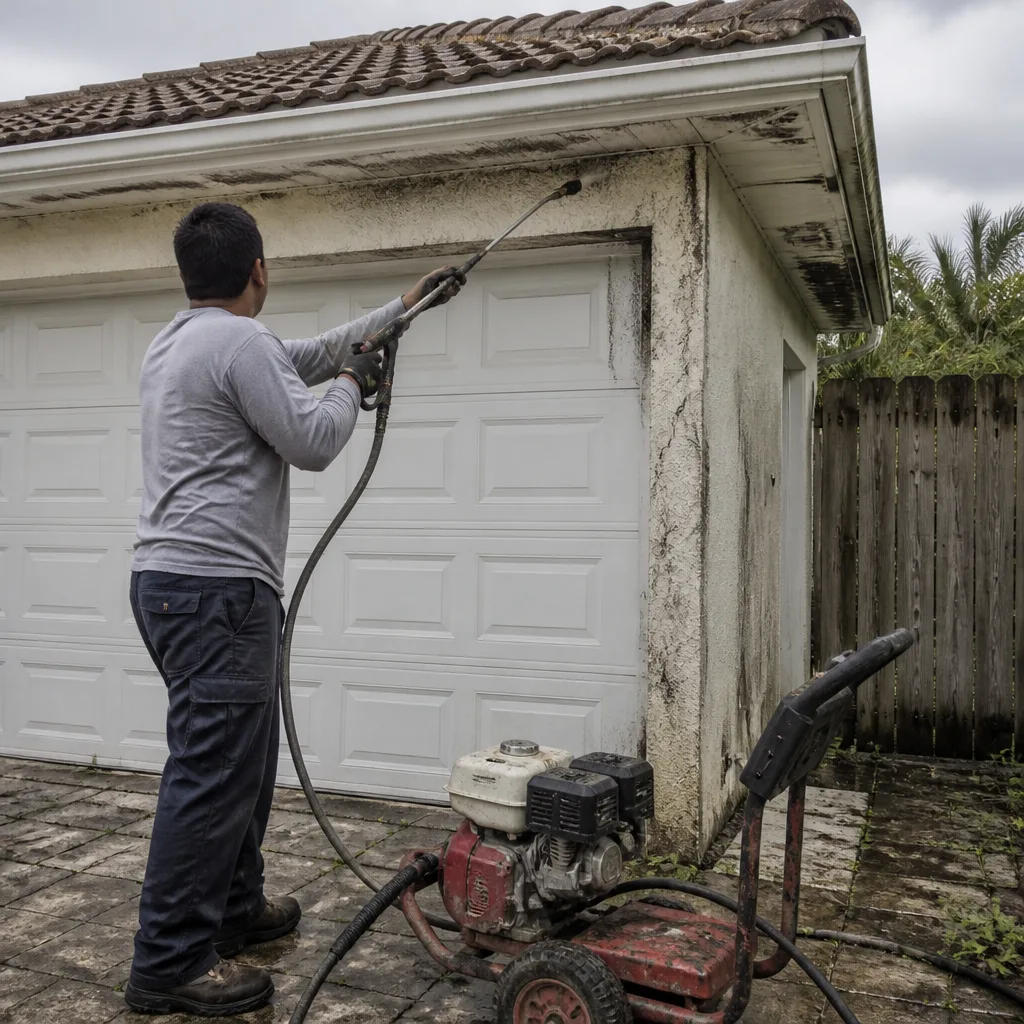 Before
 After
After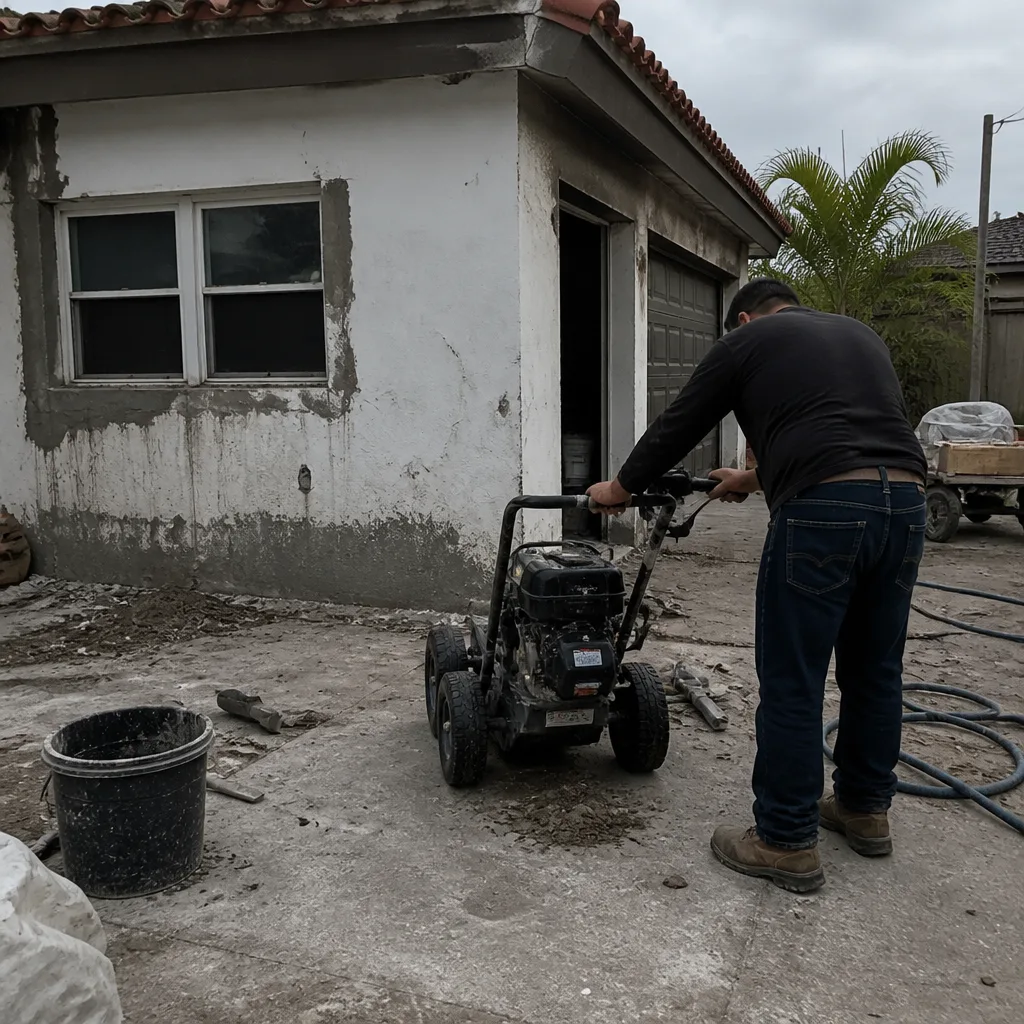 Before
 After
AfterWhen to Call a Professional
There is a point in every project where the homeowner’s judgment call is not about skill, it is about liability. If you are planning any work that involves structural changes, electrical systems, plumbing, gas lines, or the building envelope, you need a licensed contractor, a permit, and an inspection. This is not a place for a handyman with a low hourly rate. If you are already inside the process and the contractor is avoiding the permit, asking for more money than the work completed warrants, or cannot produce proof of insurance, stop the work and call someone else. Bradford Remodeling Co West Palm Beach offers free estimates in West Palm Beach. Call (728) 203-9809 and we will give you a written price before any work starts. That is how the project should have begun. For more guides & resources, explore our blog.
Frequently Asked Questions
Go to the Florida Department of Business and Professional Regulation website and use the “Verify a License” search tool. Enter the contractor’s name or license number, confirm the license is active, and check whether there are any complaints on file. Do this before you sign anything or pay a deposit.
A certified contractor holds a state-level license and can work anywhere in Florida. A registered contractor is licensed only in the specific local jurisdictions where they are registered. In West Palm Beach, confirm the contractor’s registration covers the city before hiring them.
For residential jobs under $2,500, Florida law limits the down payment to 10% of the total contract price. For larger jobs, payments must be tied to the value of work completed. A contractor asking for 30% or 40% upfront on a small job is operating outside legal norms.
Under Florida Statute 489.126, a residential construction contract must include the contractor’s name, address, and license number, a detailed description of the work, the total contract price, approximate start and completion dates, and a payment schedule that meets Florida’s legal limits. Missing the license number or a detailed scope is a red flag.
No. Structural, electrical, plumbing, and building envelope work in West Palm Beach requires a permit. Unpermitted work creates problems when you sell, insure, or refinance the home. A contractor unwilling to pull a permit in their own name is a signal to find another contractor.
A written guarantee should name the work performed, the duration of coverage, and the remedy if the work fails. Our 365-Day Done Right Promise covers every project for a full year, and if the work does not hold, we return and correct it at no charge. Whatever guarantee a contractor offers, get it in writing. Call (728) 203-9809 to discuss your project and get exact terms for your job.
The Bottom Line
Hiring a contractor in West Palm Beach is a process, not a prayer. The homeowners who avoid disaster are not the ones who are lucky. They are the ones who verify the license on the DBPR database, ask whether the contractor is certified or registered, demand a written contract with a spec-level scope, hold the payment schedule to Florida’s legal limits, and use the permit application as proof of accountability. Those steps take an afternoon. They are the difference between a project that ends with a signed guarantee and a project that ends with an abandoned site and a lawyer on retainer. We built Bradford Remodeling Co West Palm Beach around The Garrison Standard because we saw what the alternative looks like. We put the price in writing before work starts, and we put the guarantee in writing before we leave. If you want a contractor who operates that way, review our home remodeling process in West Palm Beach and see how we approach kitchen remodeling in West Palm Beach, then call (728) 203-9809 for a free estimate.
Written by Curtis Lane, Owner at Bradford Remodeling Co West Palm Beach, serving West Palm Beach since 2004.