Last updated October 16, 2026
Free written scope consultation - allowances, timeline, and change-order rules on paper before a single trade is scheduled
Construction Cost Breakdown: The West Palm Beach Homeowner’s Reference for 2026
National remodeling cost guides are built on averages from places like Columbus, Ohio and Plano, Texas. They do not account for a single day of hurricane season. West Palm Beach sits inside the High Velocity Hurricane Zone, which means the windows, doors, roof decking, and fasteners on your remodel must meet testing standards that don’t exist in most of the country. That single fact changes the price of nearly every project by 15 to 40 percent before a contractor ever steps on site. This guide gives you the real numbers for West Palm Beach, with the local codes, permit fees, and material realities attached, so you can read a bid and know whether it’s honest.
Quick Answer
Home remodeling costs in West Palm Beach typically run $165 to $380 per square foot in 2026 depending on scope, with kitchens at $45,000 to $110,000, bathrooms at $28,000 to $65,000, and additions at $220 to $340 per square foot. Palm Beach County permit fees add roughly 4 to 7 percent to project cost and are listed separately from labor and materials on any legitimate bid. Impact-rated windows and doors, required by HVHZ code, add 20 to 40 percent to opening replacement costs compared to mainland Florida pricing.
Styles & brands we work with
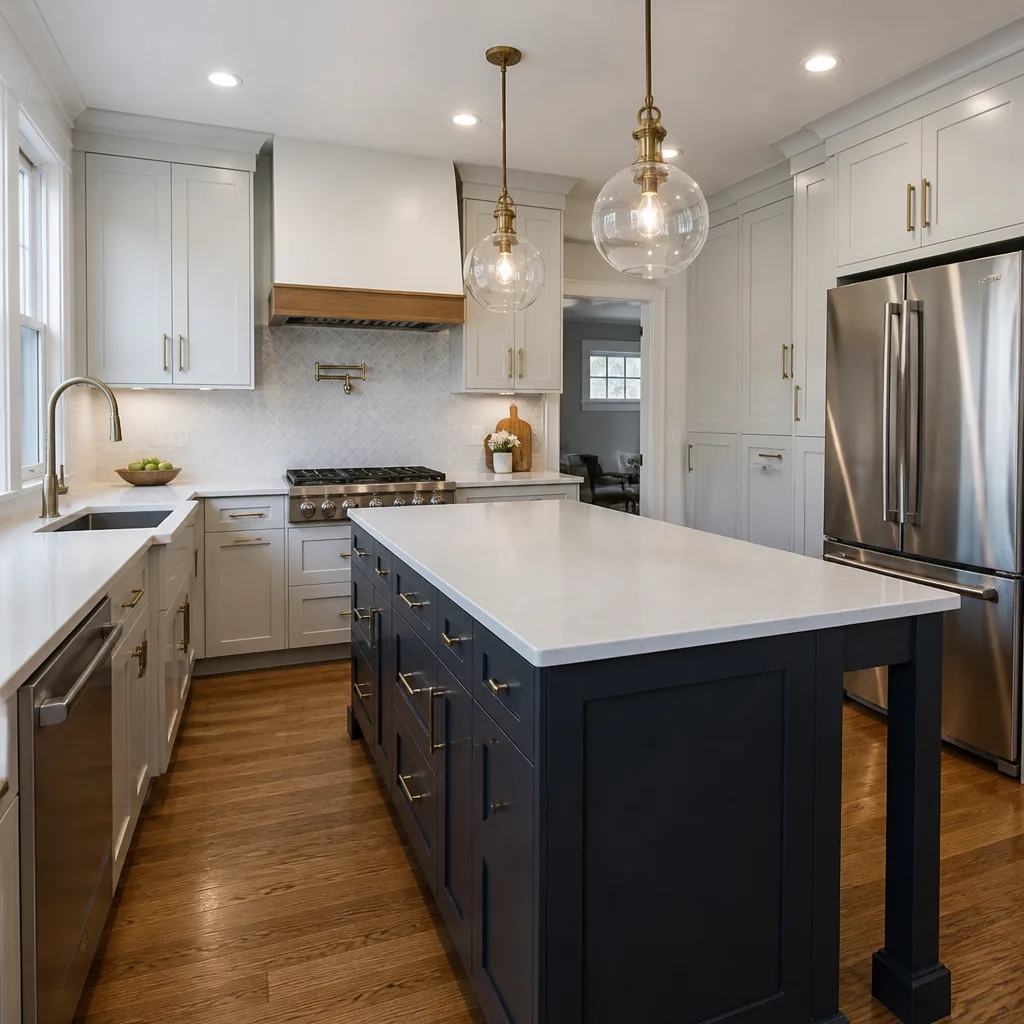
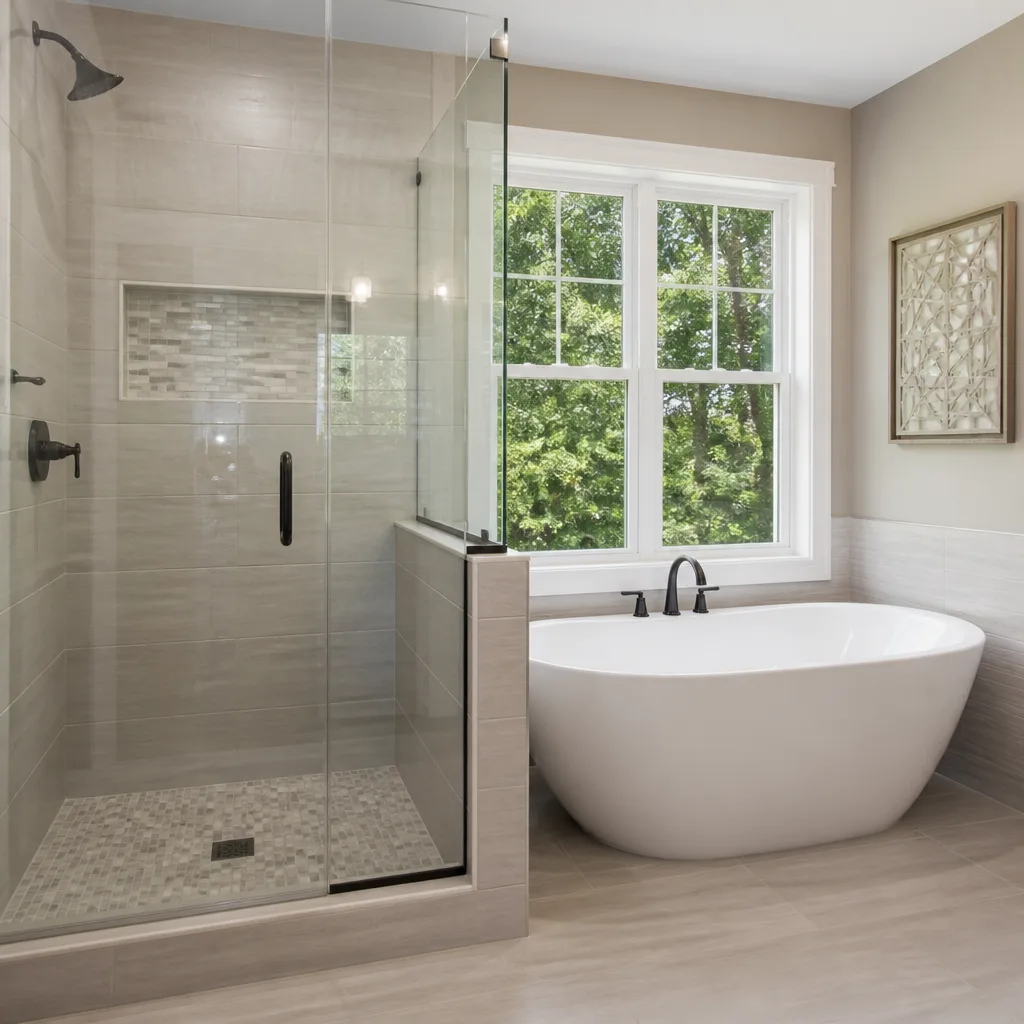
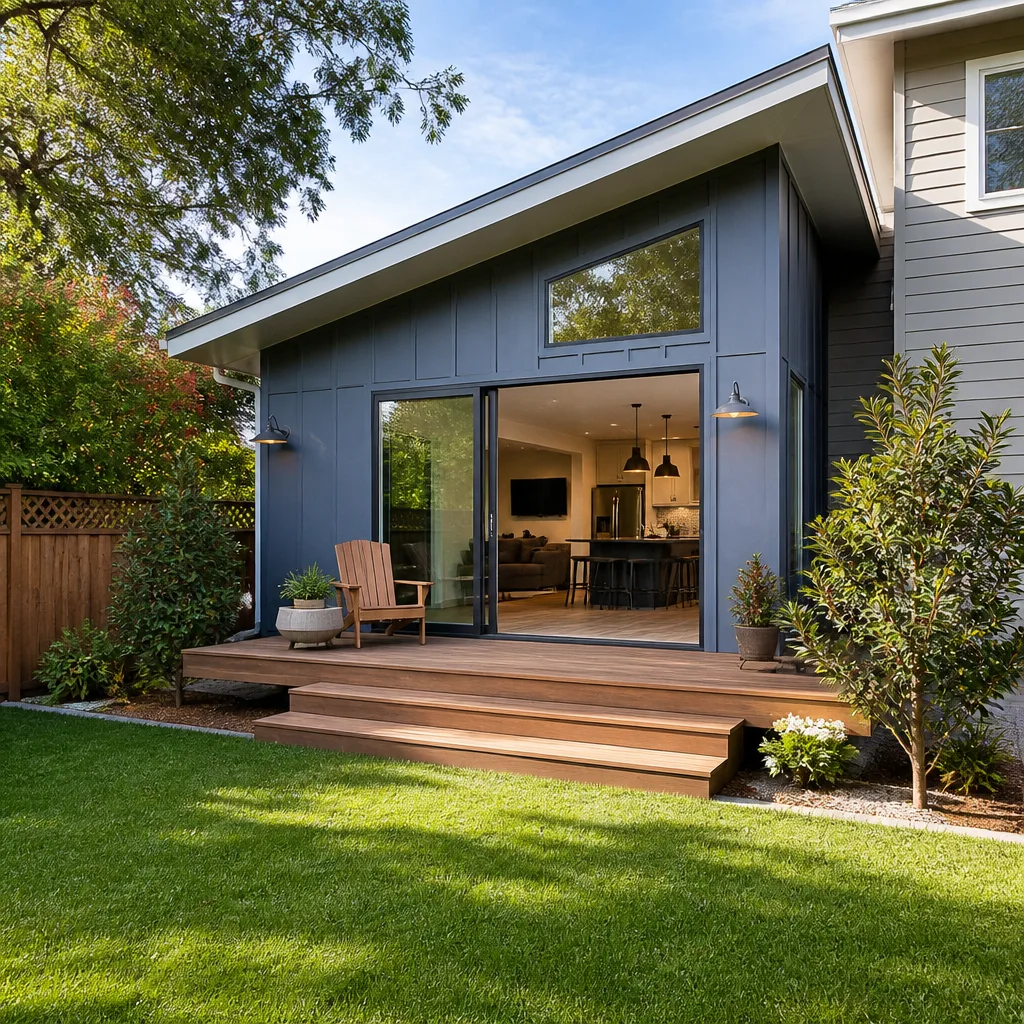
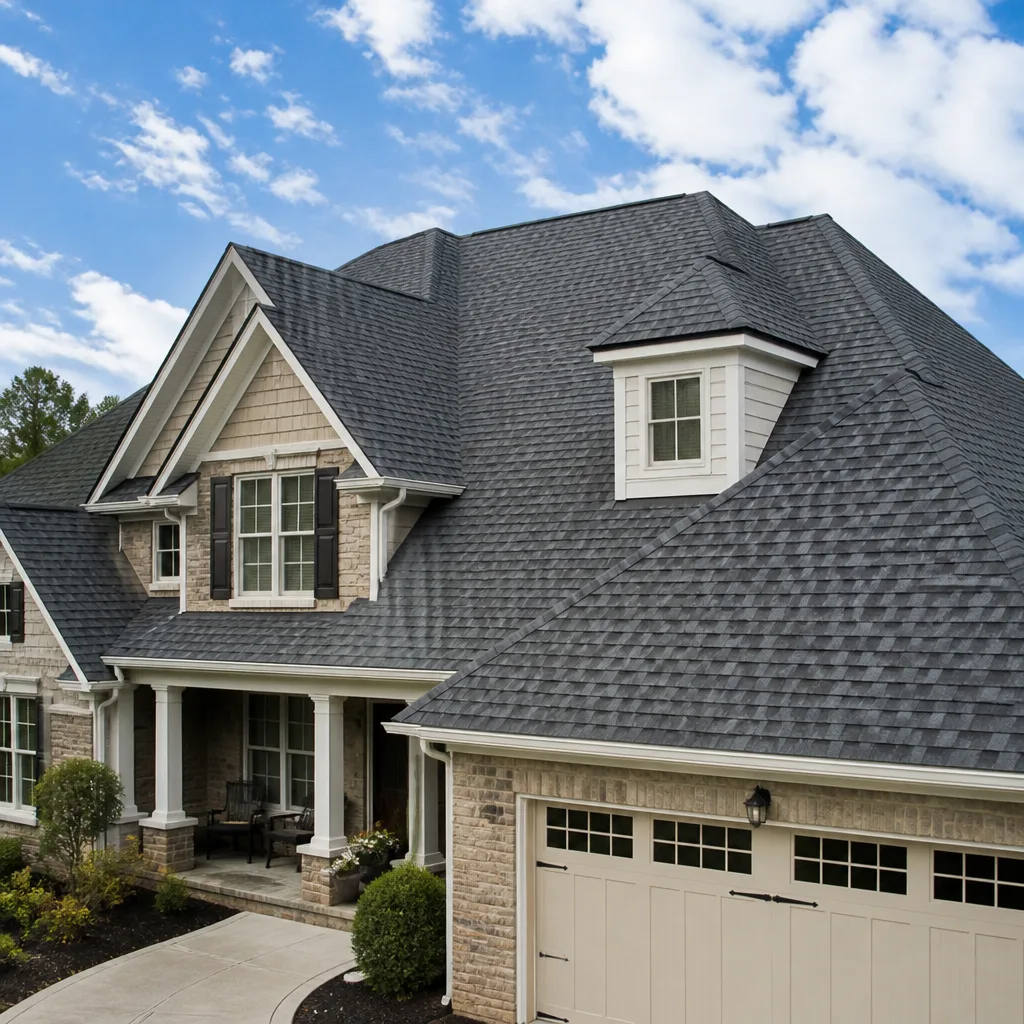
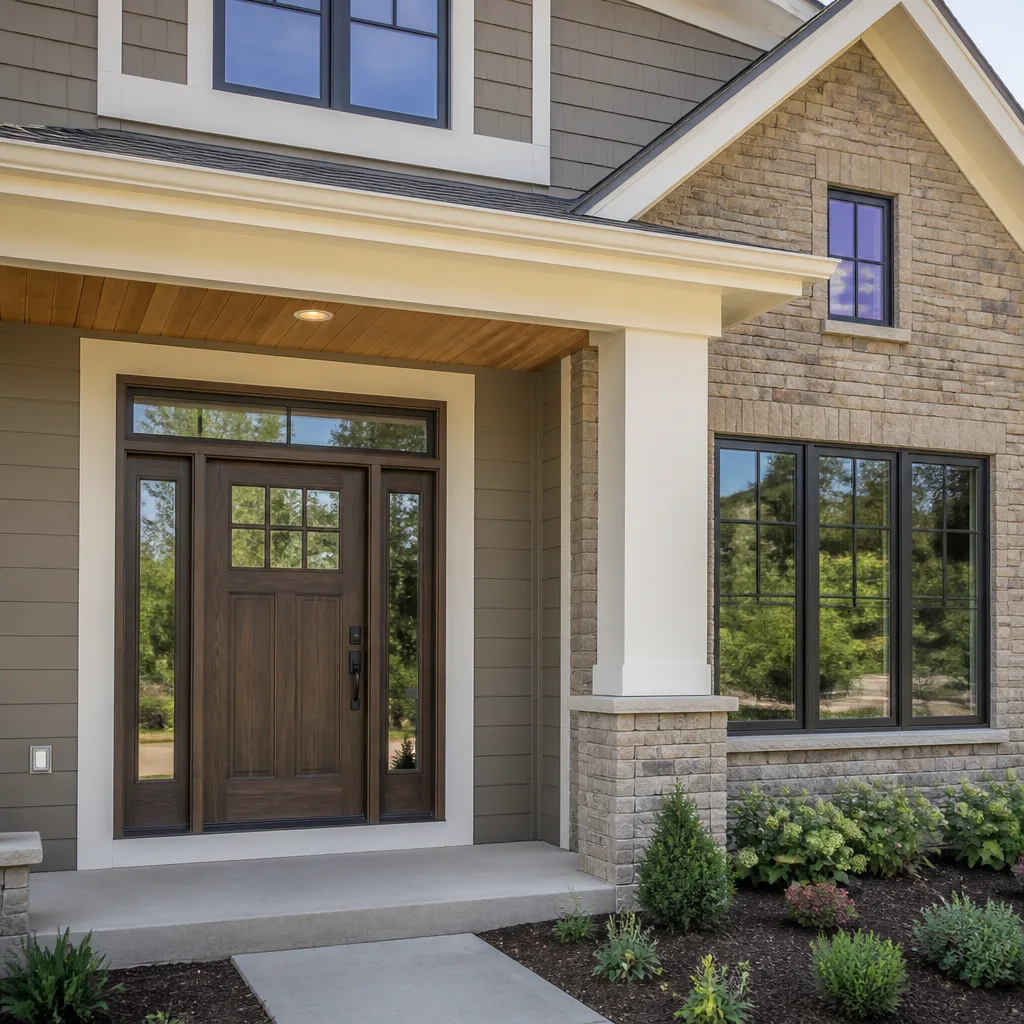
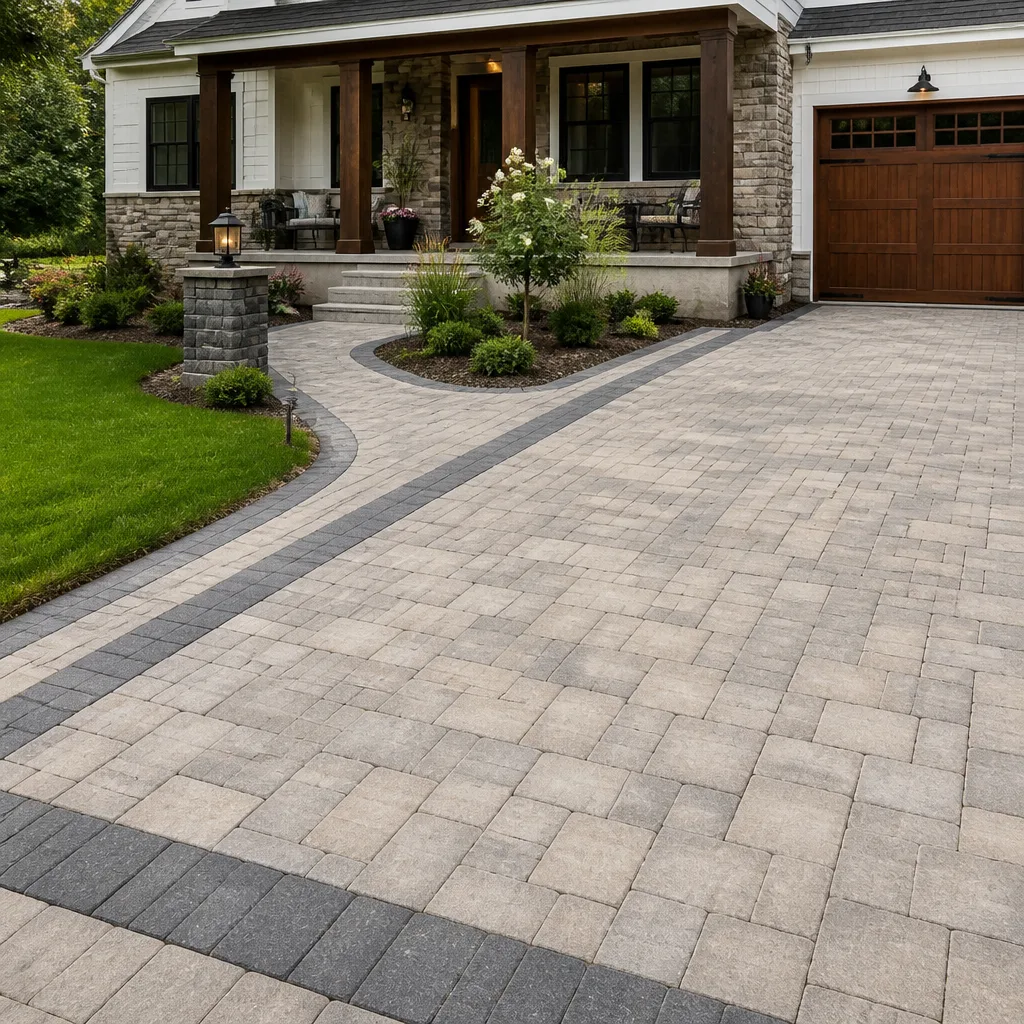
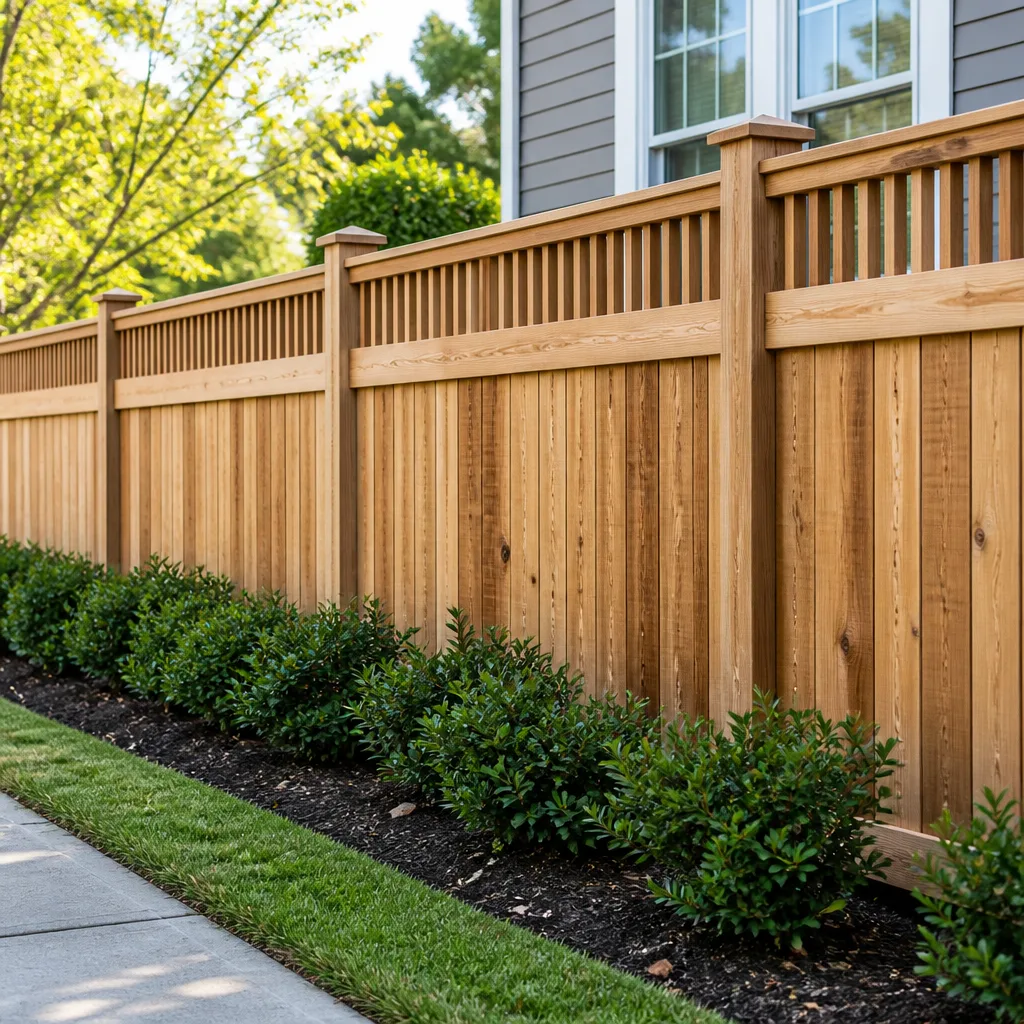
Table of Contents
- Room-by-Room Cost Ranges for West Palm Beach in 2026
- Why HVHZ Code Adds Real Money to Your Project
- Palm Beach County Permit Fees: What You’ll Actually Pay
- The Real Cost of Change Orders: Reading the Clause
- Material Price Volatility: The Hurricane Season Factor
- What a West Palm Beach Contract Should Look Like Line by Line
- Common Mistakes to Avoid
- When to Call a Professional
- Frequently Asked Questions
Room-by-Room Cost Ranges for West Palm Beach in 2026
These ranges reflect what we see on signed contracts across West Palm Beach neighborhoods, from El Cid and Flamingo Park to the newer developments west of Jog Road. They include labor, mid-to-upper grade materials, and contractor overhead. They do not include permit fees, which we cover in a separate section below, because any contractor who buries permit costs inside a lump sum is hiding something.
Kitchen Remodel
- Cosmetic refresh (refaced cabinets, new counters, new hardware, no layout change): $22,000 to $38,000
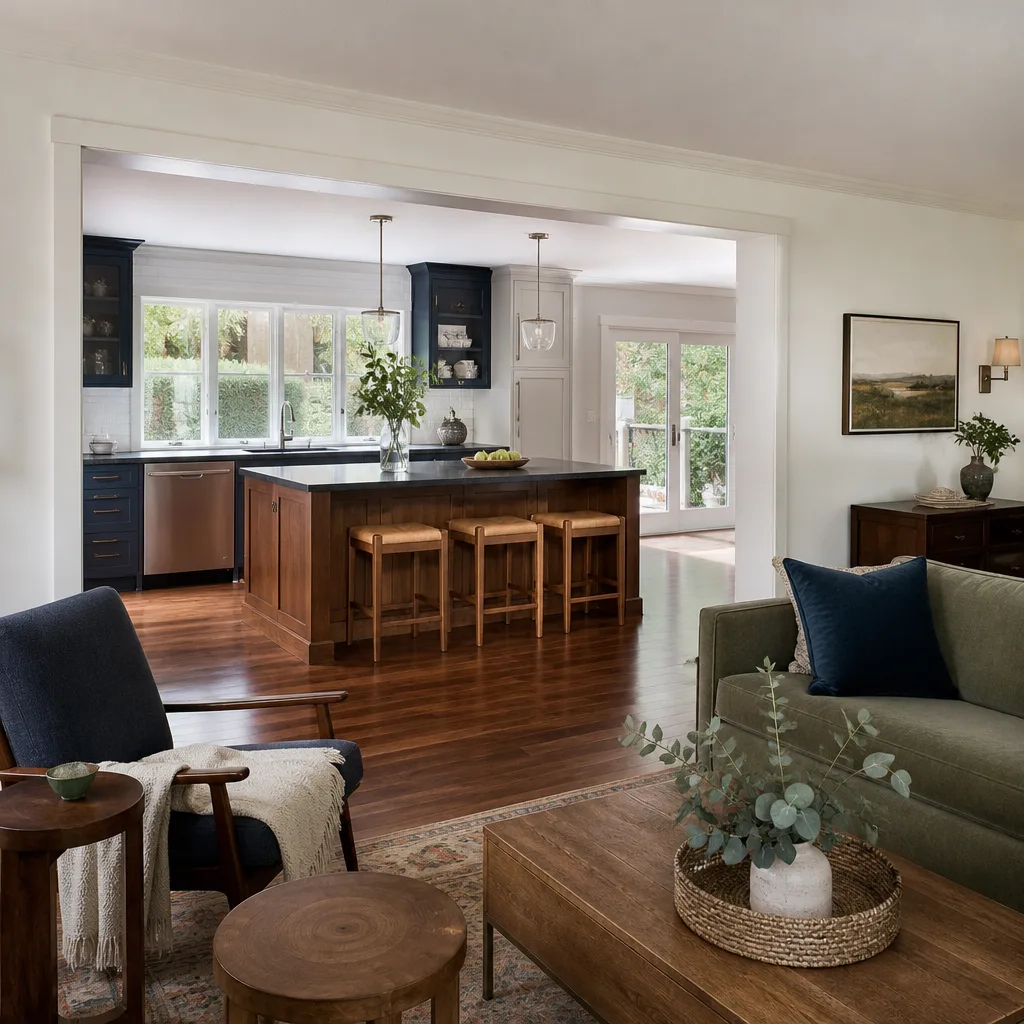
- Mid-range full remodel (semi-custom cabinets, quartz counters, new appliances in place, new flooring): $45,000 to $75,000
- Full gut and reconfigure (moving plumbing or gas lines, custom cabinetry, structural changes): $80,000 to $140,000
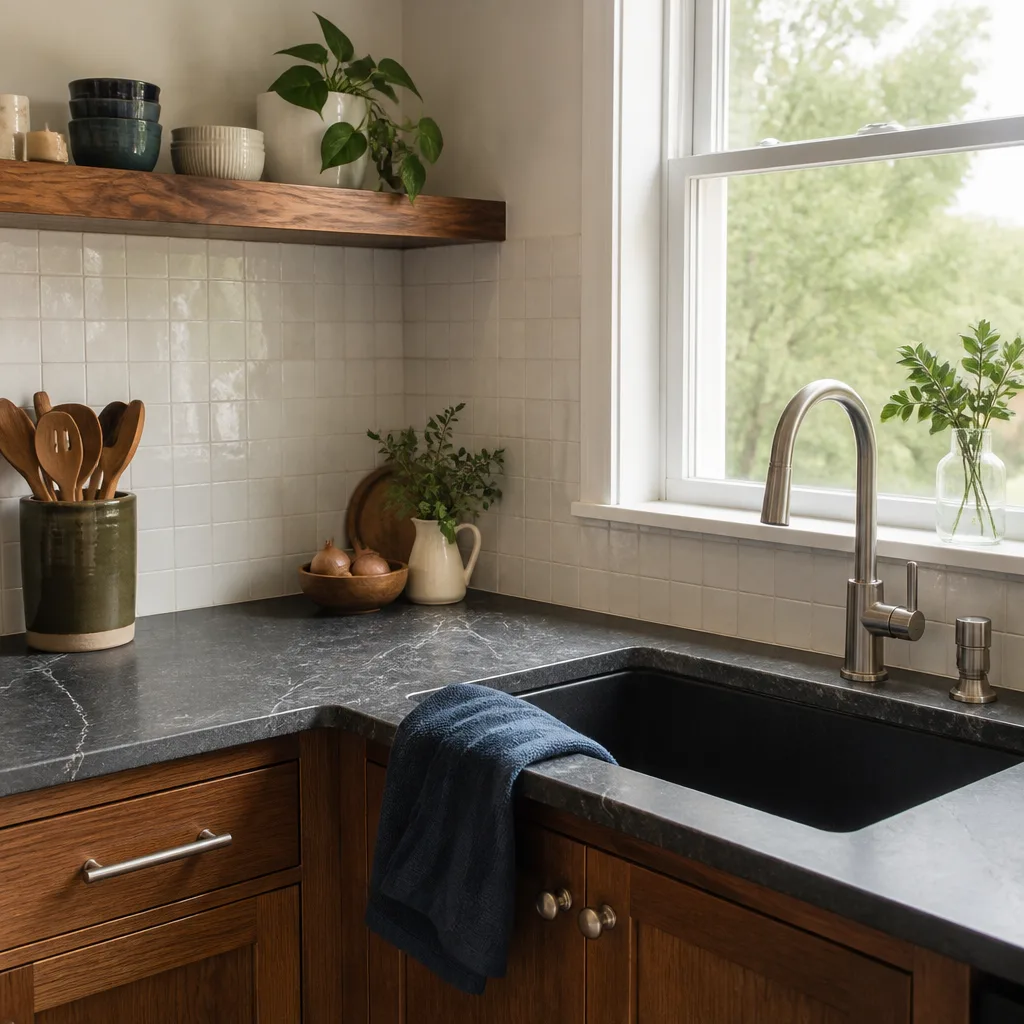
Cabinetry runs 30 to 40 percent of a kitchen budget. In West Palm Beach, humidity is the silent factor. Cheap particleboard boxes swell and fail inside five years in Florida’s moisture load. That is why our contracts specify plywood boxes and name-brand lines like KraftMaid and Wellborn instead of leaving cabinet construction to the low bidder’s discretion. Countertop pricing in this market runs $65 to $110 per square foot for quartz from Cambria or Caesarstone, installed.
Bathroom Remodel
- Guest bath or powder room (new vanity, fixtures, tile floor, paint, no layout change): $16,000 to $24,000
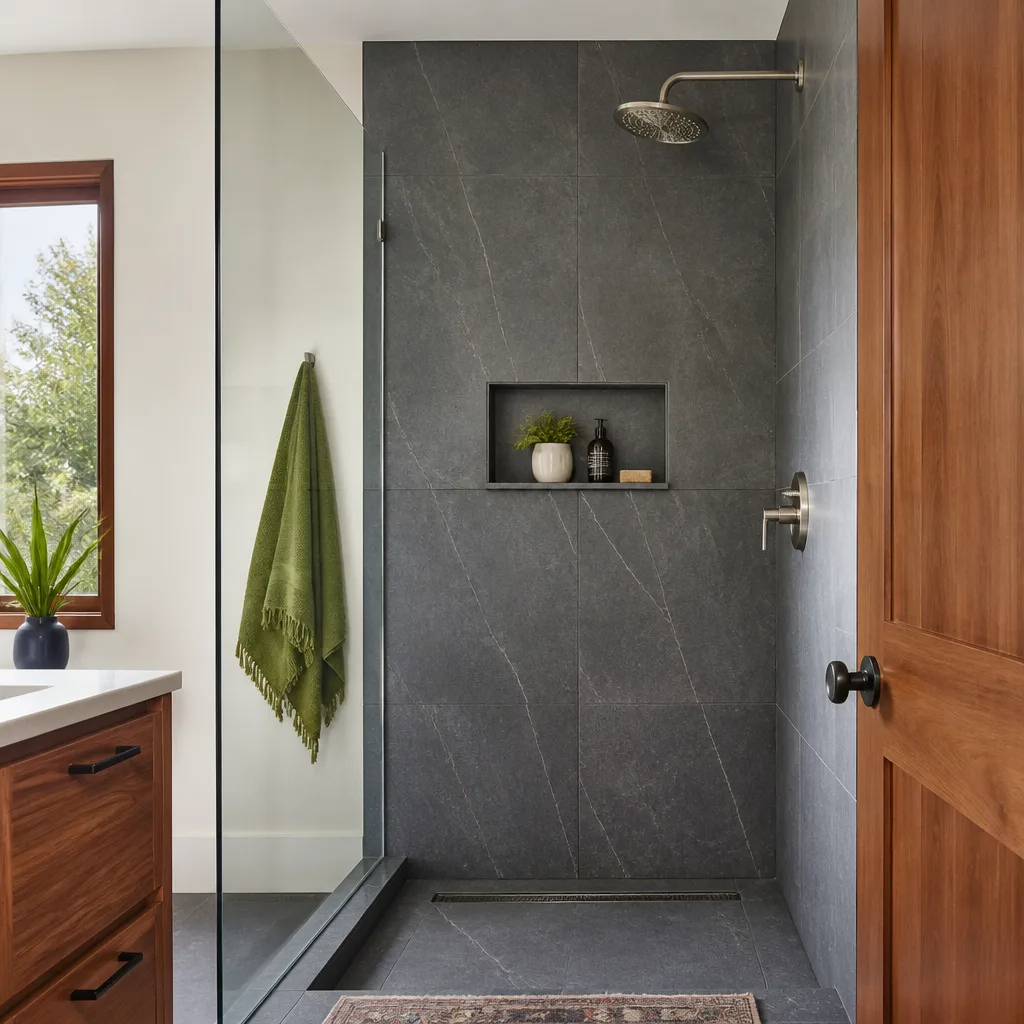
- Full hall or primary bath (new shower pan, tile surround, new vanity, new lighting, new flooring): $28,000 to $45,000
- Primary bath gut (moving drains, adding a curbless shower, custom glass, heated floors): $50,000 to $75,000
Wet-area waterproofing is where cheap bids die in South Florida. A shower pan built without a proper pre-slope or a substrate that is not rated for continuous humidity exposure fails inside two years. We use Schluter or equivalent membrane systems, and we name the waterproofing method in the written scope so you can hold the work to a standard instead of a hope.
Room Addition
- Basic single-room addition (200 to 400 square feet, no plumbing): $220 to $280 per square foot, or $44,000 to $112,000
- Addition with a bathroom or kitchenette (plumbing rough-in, wet walls): $280 to $340 per square foot
- Second-story addition: $300 to $380 per square foot, plus structural engineer fees of $3,500 to $7,000
Additions in West Palm Beach carry a hidden cost most guides miss: the existing roofline must tie into the new structure and meet current wind-load standards. If your house was built before the 2001 Florida Building Code revisions, the connection between old and new often requires retrofit strapping and sometimes partial roof deck replacement. That is why addition quotes here run higher than the national per-square-foot averages, and why a contractor who has not pulled permits in Palm Beach County will underbid the job and discover the requirement halfway through.
Roof Replacement
- Architectural shingle roof, 2,000 square foot home: $18,000 to $28,000
- Metal standing seam: $32,000 to $48,000
- Flat or low-slope roof with TPO or modified bitumen: $14,000 to $22,000
Roof pricing swung hard in 2024 and 2025 after consecutive active hurricane seasons. Material costs for shingles and underlayment spike from October through February as insurers push homeowners to replace aging roofs before the next storm cycle. We cover that pattern in the volatility section below.
Why HVHZ Code Adds Real Money to Your Project
West Palm Beach sits inside the High Velocity Hurricane Zone, a designation shared only with Miami-Dade and Broward counties. The HVHZ code book is separate from the Florida Building Code used everywhere else in the state. It requires every exterior opening, every roof fastener, every piece of sheathing, and every tie-down to resist wind pressures from a 150-plus mph storm event.
Here is what that means in dollars, using a standard 3-foot by 5-foot window as the example:
- Standard insulated window, mainland Florida: $350 to $500 per unit
- HVHZ impact-rated window, West Palm Beach: $650 to $1,100 per unit
- Installation with code-required anchoring: $180 to $300 per opening, versus $90 to $140 outside the HVHZ
The same math applies to doors. A Therma-Tru fiberglass entry door rated for HVHZ installation runs $2,800 to $4,500 installed in West Palm Beach, versus $1,800 to $2,600 for a comparable non-impact door in Orlando. If your remodel touches any exterior opening, the upgrade is not optional. The county will not issue a final inspection pass without product approval numbers for every impact-rated component, so review our Construction Warning Signs: A West Palm Beach Homeowner’s Reference Guide before you sign.
Roofing carries the same multiplier. HVHZ-compliant underlayment, such as a self-adhered modified bitumen base sheet, costs roughly double what standard felt costs. Fastener patterns are tighter. Secondary water barriers are mandatory, not recommended. A roof that quotes at $14,000 using mainland standards runs $18,000 to $21,000 under HVHZ code.
The practical takeaway: when you compare bids in West Palm Beach, ask the contractor to name the product approval numbers for the impact-rated components. A bid that cannot produce them is either not pulling permits or planning to substitute non-compliant materials at rough-in. Both end badly.
Palm Beach County Permit Fees: What You’ll Actually Pay
Palm Beach County permit fees are calculated on job valuation and are listed separately from labor and materials on any properly structured contract. For a $50,000 remodel, plan review and permit issuance typically runs $1,800 to $3,200 depending on scope. A $150,000 addition carries fees in the $4,500 to $8,500 range. These are county fees only. If your project requires a right-of-way permit or an impact fee because you are adding square footage, those are separate line items.
Here is what a typical West Palm Beach kitchen remodel permit package looks like in 2026:
- Building permit application and review: $600 to $1,400
- Electrical permit: $150 to $400
- Plumbing permit: $150 to $400
- Mechanical permit (if moving or adding HVAC): $150 to $350
- Plan review surcharge: 10 to 15 percent of the building permit fee
- Final inspection and certificate: $100 to $300
Some contractors quote permits as a percentage of job cost, typically 4 to 7 percent. That is acceptable as long as the percentage is written and the actual county fees are reconciled at close. What is not acceptable is a lump-sum bid that says “permits included” without a dollar figure. If the permit line does not appear separately, you cannot verify it was ever pulled.
Pulling permits is not optional in West Palm Beach, and an unpermitted remodel becomes your problem when you sell. Title companies in Palm Beach County routinely check permit history against tax records. Unpermitted square footage gets flagged, and you either legalize the work retroactively at double the permit cost or lose the sale. A $2,000 permit fee is cheap insurance against a $20,000 title problem.
The Real Cost of Change Orders: Reading the Clause
A change order is a written amendment to your contract that adjusts scope and price. Every remodel produces at least one. The question is not whether you will sign one, but what it will cost you when you do. The answer lives in the markup clause buried in the back of your contract.
Here is the math that separates an honest change order from a profit center. Say you ask to move an outlet two feet to the left after rough-in. The electrician’s actual cost is $150 for labor plus $30 in materials. A contractor with a transparent change-order clause charges you $180 plus a stated overhead percentage, say 15 percent, for a total of $207. A contractor with a vague clause charges you $500, because the clause allows “reasonable markup” and “coordination fees” that are never defined.
How to read the clause before you sign:
- Find the change-order section in your contract. It is usually near the back, often under “Adjustments” or “Modifications.”
- Look for a stated markup percentage. A legitimate contract names a number: “Change orders shall be priced at cost plus 15 percent overhead and 10 percent profit.” If no number appears, negotiate one before signing.
- Check whether the clause requires written authorization before work proceeds. If the contractor can perform the change first and bill you later, that is a blank check.
- Ask how change orders are itemized. Labor, materials, and markup should be separate lines. A single number with no breakdown is a flag.
The Garrison Standard, which governs how Bradford Remodeling Co West Palm Beach writes every contract, requires a stated markup percentage and a written change order signed by the homeowner before any changed work begins. You will never get a surprise invoice for work nobody approved in writing. If a contractor will not put the change-order math in the contract, treat that as information about how the rest of the job will run.
Material Price Volatility: The Hurricane Season Factor
Material pricing in West Palm Beach does not follow the national curve. It follows the Atlantic hurricane calendar. When a storm threatens the Florida peninsula or makes landfall anywhere from the Panhandle to the Keys, three things happen simultaneously: demand spikes, supply chains redirect, and distributors impose allocation limits. The result is a predictable price cycle that repeats every year.
Here is the pattern we have tracked across multiple seasons:
- June through September: Prices hold steady or tick up slightly as homeowners wait to see what the season brings. Shingle pricing runs $95 to $115 per square.
- October through February: Post-storm demand and insurance-driven roof replacements push shingle prices to $125 to $155 per square. Plywood and OSB follow the same curve, spiking 15 to 25 percent after a major landfall.
- March through May: Prices settle as demand normalizes, usually landing 5 to 8 percent above the previous year’s spring baseline.
This cycle matters for two reasons. First, if you are planning a roof or exterior remodel, the cheapest time to lock pricing is midsummer, before the insurance-driven rush begins. Second, and more important, you need a contract that addresses material price escalation explicitly.
A responsible West Palm Beach contractor writes one of two commitments into the contract. Either the price is fixed regardless of material movement, which means the contractor is carrying the volatility risk, or the contract includes an escalation clause tied to a published index with a stated cap. What you should never accept is the phrase “subject to material price increases” with no index, no cap, and no notice requirement. That clause converts a fixed bid into a cost-plus job without your consent.
Bradford Remodeling fixes material pricing in the written proposal and honors that number through the project timeline. If a distributor raises the price of Cambria or James Hardie product mid-project, that is our problem to solve, not yours to absorb. That commitment is part of The Garrison Standard and it is written into every contract we issue in West Palm Beach.
What a West Palm Beach Contract Should Look Like Line by Line
Most remodeling disputes are not about whether work was done. They are about what work was supposed to be done, and for what price. The contract is where that gets decided. Here is what a properly structured West Palm Beach remodeling contract should contain, with the line items a lump-sum bid hides.
Labor
Labor should be broken out by trade: demo, framing, electrical, plumbing, drywall, tile, paint. A lump-sum bid that says “labor” without trade breakdown makes it impossible to verify change-order pricing later. If you add a closet, how do you know the framing rate? The hourly or task rates for each trade should be listed.
Materials
Every significant material should be named by manufacturer and product line. “Quartz countertop” tells you nothing. “Cambria Britannica 3cm quartz, 42 square feet, installed” tells you exactly what you are paying for. This matters doubly in the HVHZ, where product approval numbers are required for code compliance. If the material is not named, we cannot verify it is code-compliant.
Permit Fees
Permits should be their own line item with a dollar figure, not a percentage of unknown base. The contract should state who files, who pays, and who is responsible for re-inspection fees if the work fails the first inspection. In Palm Beach County, re-inspection fees run $75 to $150 per visit and are typically the contractor’s responsibility if the failure is a workmanship issue.
Subcontractor Costs
If the contractor subs out electrical, plumbing, or HVAC, those costs should be listed. You should know who the subs are, whether they carry their own insurance, and whether the contractor is marking up their invoices. A 10 to 20 percent management markup on sub costs is standard. An undisclosed markup is not.
General Contractor Overhead and Profit
GC overhead and profit in the West Palm Beach market typically runs 15 to 25 percent of project cost. It should be a visible line, not buried in the material pricing. Profit is not dirty. It is how a contractor stays in business long enough to honor a warranty. What is dirty is hiding it inside inflated material lines so you cannot evaluate the actual cost structure.
The Guarantee Clause
Every contract should state the warranty period in writing, what it covers, what it excludes, and how to file a claim. Bradford Remodeling’s 365-Day Done Right Promise states it plainly: if the work fails within one year of completion, we return and correct it at no charge. That guarantee is signed and handed to you at close, not referenced vaguely in a marketing brochure.
Common Mistakes to Avoid
- Accepting a lump-sum bid with no line items. A single number tells you nothing about what you are paying for. Insist on a breakdown by trade and material before you sign anything in West Palm Beach.
- Assuming every window and door is code-compliant. HVHZ product approval is specific to the manufacturer and model. A window that meets Miami-Dade code may still fail Palm Beach County review if the approval number does not match the product actually installed.
- Ignoring the change-order clause until the first change comes. By then, the markup is whatever the contractor says it is. Read that clause before you sign, and negotiate a stated percentage.
- Comparing bids without comparing material specifications. A $40,000 kitchen bid with particleboard boxes and a $60,000 bid with plywood boxes and Cambria quartz are not bids for the same kitchen. The cheaper one will cost you more in five years.
- Skipping permits to save $2,000. Unpermitted work becomes a title defect when you sell. The savings are an illusion with a lien attached.
- Signing a contract with no duration commitment. “We’ll finish when we finish” is not a schedule. Your contract should state a start date, a substantial completion date, and what happens if the date is missed.
When to Call a Professional
Some scopes are safe for a competent DIYer in West Palm Beach. Painting, trim work, cabinet hardware, and flooring that does not require subfloor repair are all reasonable weekend projects. But the line between DIY and licensed-contractor work in this market is drawn by code, not confidence. Any project that touches the building envelope, the electrical panel, the plumbing rough-in, or the roof structure requires a permit in Palm Beach County, and a permit requires a licensed contractor or an owner-builder affidavit with real liability attached.
If your remodel involves moving a wall, opening a roof deck, adding a circuit, or replacing windows, call a professional before you open the permit office’s website. The HVHZ code references are not written for lay readers, and a failed inspection restarts the clock and the fee meter. Bradford Remodeling Co West Palm Beach offers free estimates across West Palm Beach, with a written price before any work starts, at (728) 203-9809.
Frequently Asked Questions
Most West Palm Beach remodels run $165 to $380 per square foot depending on scope, with kitchens at $45,000 to $110,000, bathrooms at $28,000 to $65,000, and additions at $220 to $340 per square foot. Permit fees add another 4 to 7 percent on top. Call (728) 203-9809 for a written estimate on your specific project.
Yes, typically 15 to 30 percent more than mainland Florida for exterior-touching projects, because West Palm Beach sits in the High Velocity Hurricane Zone and requires impact-rated windows, doors, and roof components that are not mandatory outside the HVHZ. Interior-only work prices closer to state averages.
A $50,000 remodel carries permit fees of roughly $1,800 to $3,200. Larger additions run $4,500 to $8,500. These fees should appear as separate line items on your contract, never buried inside a lump-sum bid. Contact Bradford Remodeling at (728) 203-9809 and we will show you the permit math on paper.
Not if your contract fixes pricing and states a change-order markup in writing. Without those two clauses, material volatility and “reasonable markup” language can quietly add 10 to 20 percent to your final cost. The Garrison Standard requires a written price before work starts and a stated markup for any approved change, no exceptions.
Post-storm demand from insurance-driven roof and exterior replacements pushes shingle, sheathing, and underlayment prices up 15 to 25 percent from October through February. Locking material pricing in writing before the season ends is the only way to insulate your project from that cycle.
Yes, if the scope touches electrical, plumbing, or structural elements. Palm Beach County enforcement is strict, and unpermitted work becomes a title defect when you sell. A permit is not a bureaucratic tax; it is documentation that your remodel meets HVHZ code and protects your home’s resale value. Call (728) 203-9809 for an exact quote, and we will handle the filing.
The Bottom Line
Remodeling in West Palm Beach costs more than the national guides suggest because the HVHZ code demands impact-rated materials, the permit structure adds explicit line items, and hurricane-season material cycles punish anyone who signs a contract without fixed pricing. None of that is a reason to delay. It is a reason to hire a contractor who puts every number in writing, names the materials by brand and product approval number, and stands behind the finished work for a full year under a signed guarantee. That is how the job gets squared away.
Written by Curtis Lane, Owner at Bradford Remodeling Co West Palm Beach, serving West Palm Beach since 2004.
See the difference
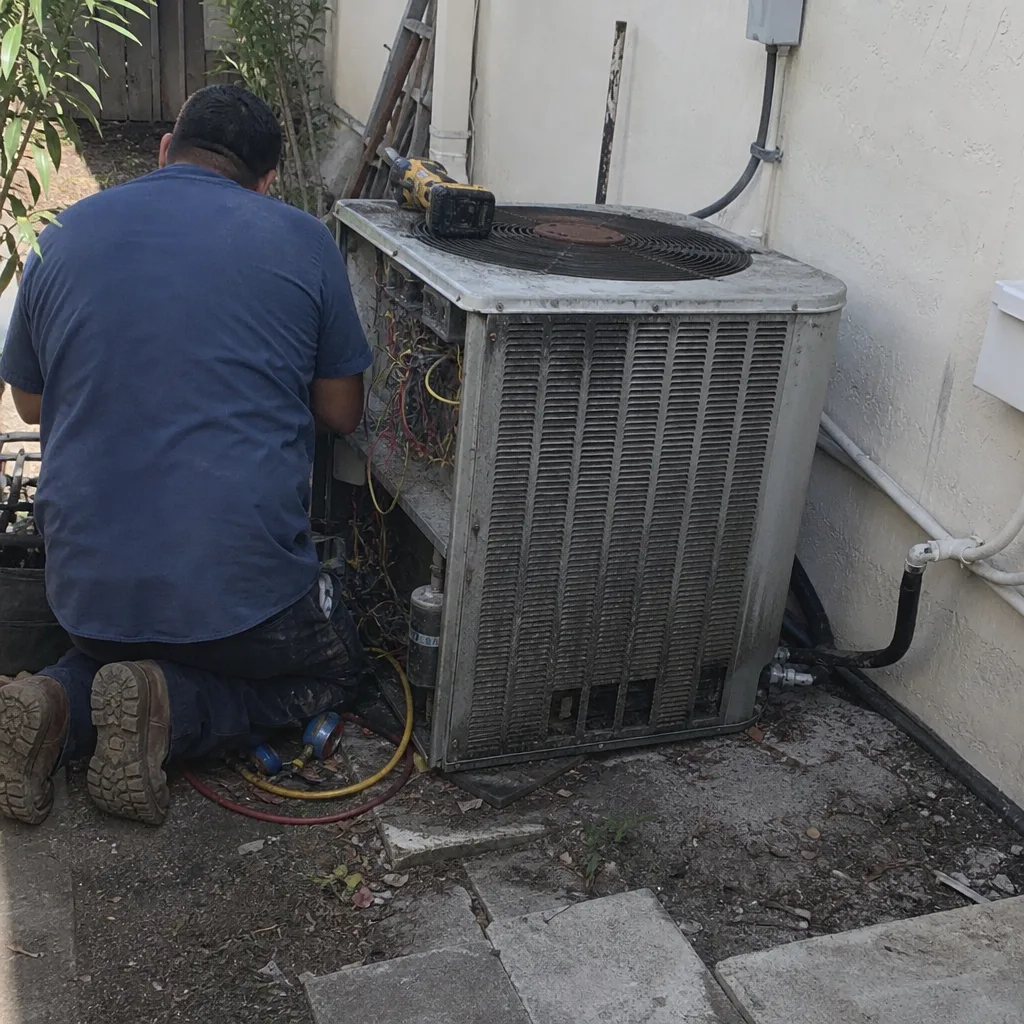 Before
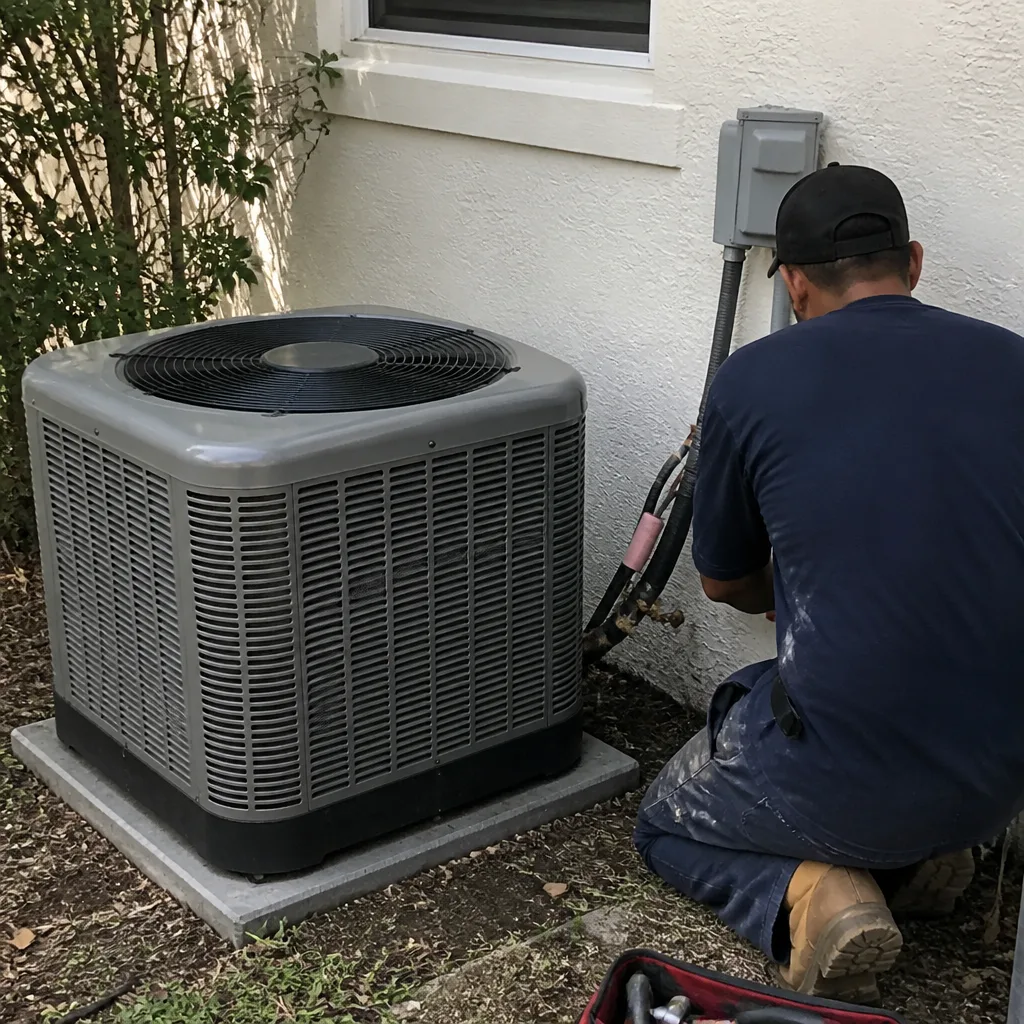 After
After Before
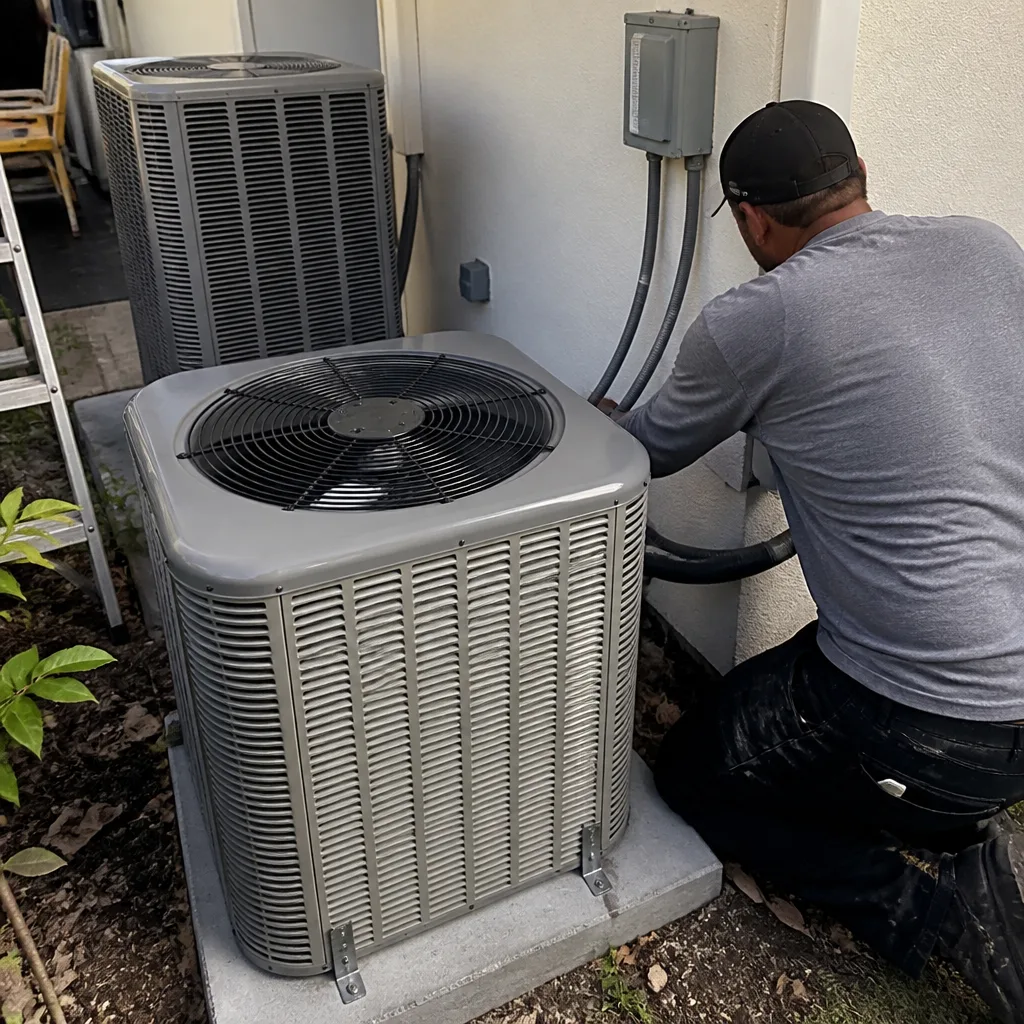 After
After Before
 After
After