Free written scope consultation - allowances, timeline, and change-order rules on paper before a single trade is scheduled
Jerith Roofing: The West Palm Beach Owner’s Guide
Replacing or repairing a Jerith roofing component in West Palm Beach typically runs $400 to $2,500 installed, depending on whether we’re patching a failed section or replacing the full assembly. We stock common Jerith-compatible flashing, sealants, and fasteners on the truck, so most repairs can be completed in a single visit. Most homeowners discover the problem after a heavy Florida downpour, when water starts showing up as a ceiling stain, a drip near the soffit, or a musty smell in the attic that wasn’t there before the last storm.
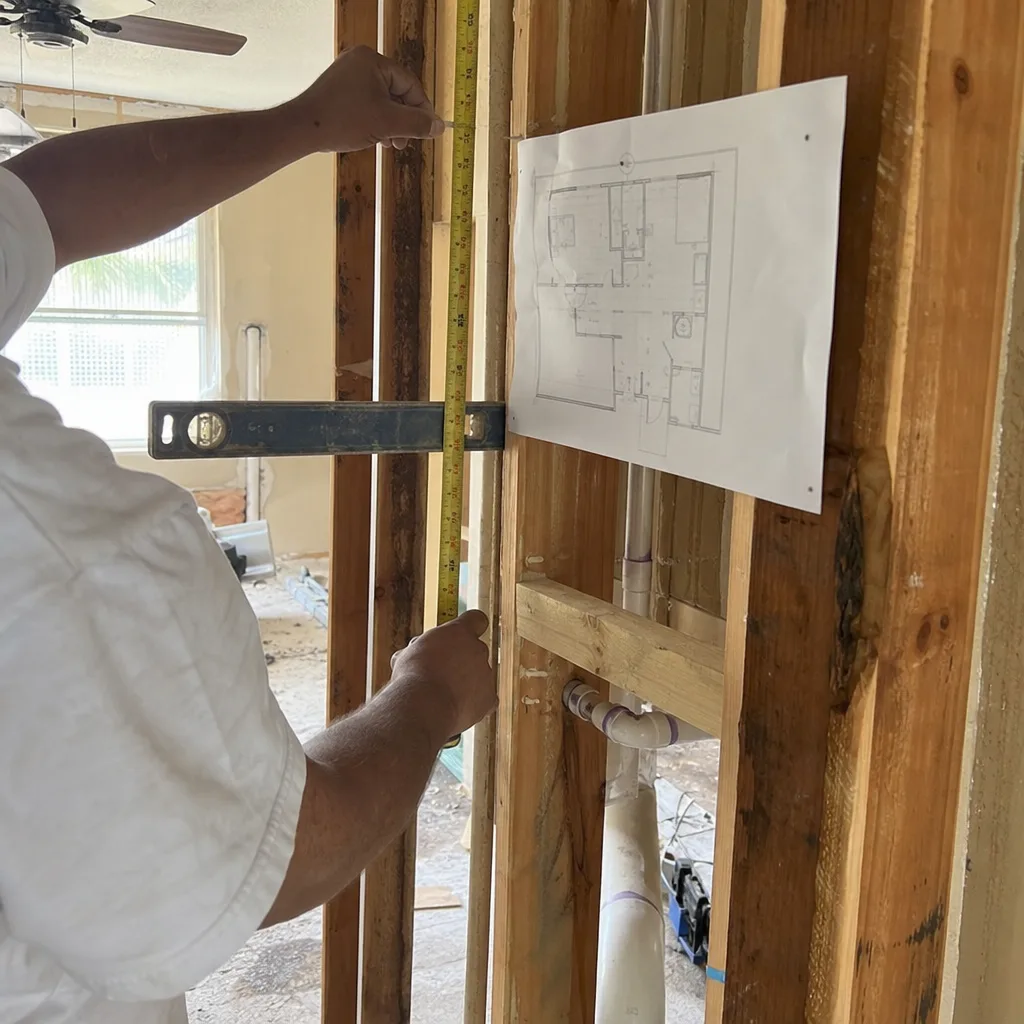
Jerith aluminum roofing has held up well in South Florida, but salt air, hurricane-force wind cycles, and relentless UV exposure take a toll on the seams and fasteners long before the panels themselves fail. The good news is that most Jerith roof problems are isolated: a failed lap seal, a corroded fastener row, a lifted edge near the fascia. Fix those early and you’re looking at a few hundred dollars, not a full roof replacement.
Key takeaways:
- We stock Jerith-compatible parts and can usually repair same visit.
- Most Jerith failures start at seams and fasteners, not panels.
- Every job gets a written price before work starts.
- All repairs carry the 365-Day Done Right Promise.
Which Jerith Models This Applies To
Jerith has produced several aluminum roofing lines over the years, and the part you need depends on the panel profile and the age of the installation. The older Jerith residential panels use a flatter rib profile with a 1/2-inch seam overlap, while newer lines moved to a deeper standing seam with a snap-lock clip system. They don’t interchange. If you try to fit a new snap-lock panel over an old flat-seam frame, the fasteners land in the wrong place and the first wind gust will work the edge loose.
Before calling a contractor about a Jerith roof repair in West Palm Beach, do one thing: check the underside of the panel near the eave line for a stamped manufacturing code. Jerith stamped production codes into most panels at the factory, and that code tells us the series and the year. If the stamp has worn off (common after a decade of Florida sun), we can identify the profile by measuring the rib spacing and panel width. That’s the first thing Curtis Lane does when he walks a Jerith roof: find the code, measure the ribs, then pull the right material off the truck.
On the OEM-versus-aftermarket question: Jerith no longer supports every legacy panel line, so in many cases the only way to match the existing roof is with a quality aftermarket panel that mirrors the original profile. We specify aftermarket panels that match the rib height and seam geometry within a 32nd of an inch. That’s close enough to keep water out and keep the roofline looking uniform, but it’s not a cosmetic match for the panel color. If the panel face is visible and the color matters, we’ll tell you straight up before we quote the number.
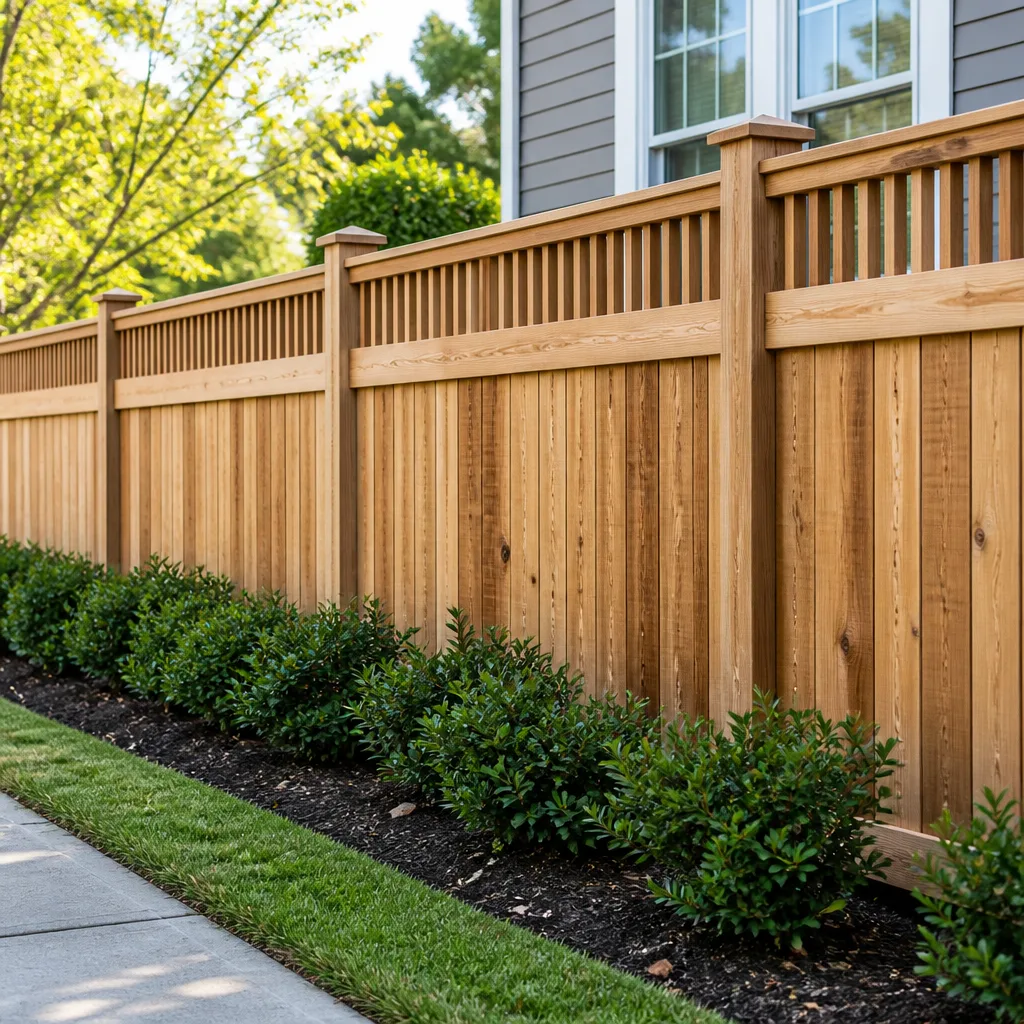
Styles & brands we work with
Signs Your Jerith Roofing Is Failing
- Water staining at the lap seams. The laps between Jerith panels are sealed with factory-applied sealant or field-applied caulk, and in West Palm Beach heat that sealant dries and cracks somewhere around year eight to twelve. The stain you see on the underside is water that already got past the seam. Don’t wait for the stain to grow.
- Fasteners backing out or corroded. Aluminum panels and steel fasteners don’t always play well together, especially in salt air near the Intracoastal. When the fastener head rusts or the neoprene washer breaks down, the panel loses its hold and starts to chatter in the wind. You’ll see fastener heads sitting proud of the panel surface.
- Lifted edges at the fascia or rake line. The edge of the panel is where wind gets its first purchase. If you can see daylight under the panel edge or the edge flexes up when you press it, the panel is no longer secured along its perimeter. Hurricanes named or not, that edge is inviting trouble.
- Attic moisture or mildew smell after rain. By the time you smell mildew, water has been entering for weeks, not days. The underside of the roof deck will show a dark water trail leading back to the leak point. That trail is worth following on a dry afternoon, before the next storm.
- Rust trails or white chalky powder at panel overlaps. Aluminum doesn’t rust, but the fasteners and any galvanized flashing will, and the corrosion transfers. The white powder is aluminum oxide, which is normal on exposed surfaces but a problem when it appears between panels, because it means friction is moving the panels against each other.
See the difference
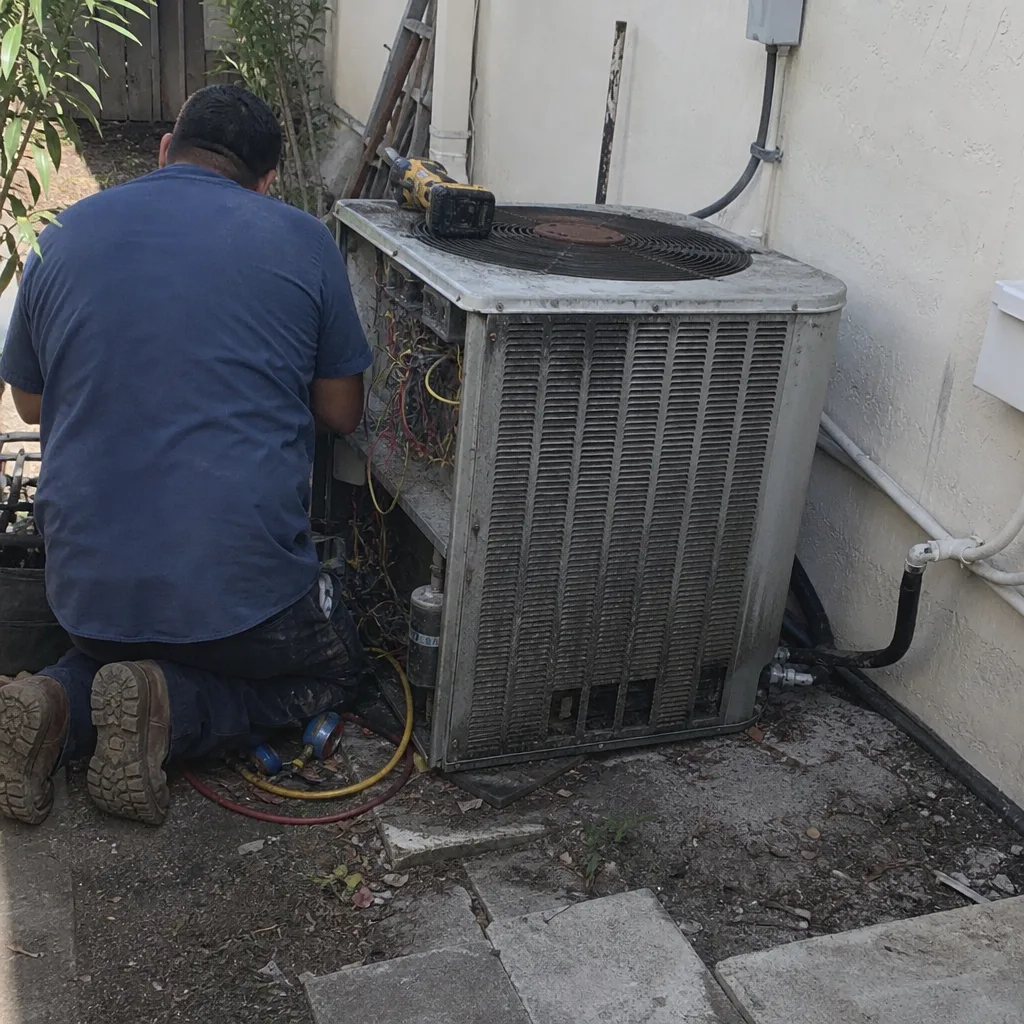 Before
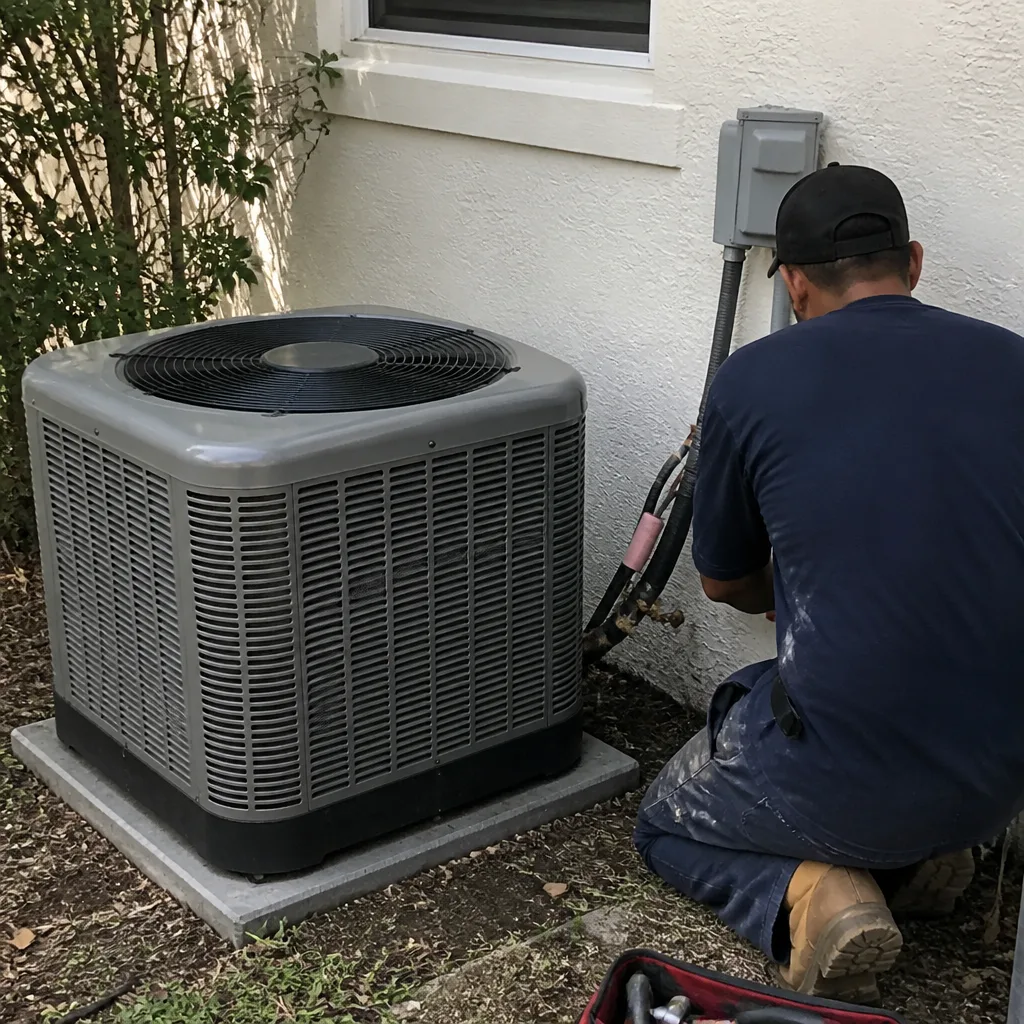 After
After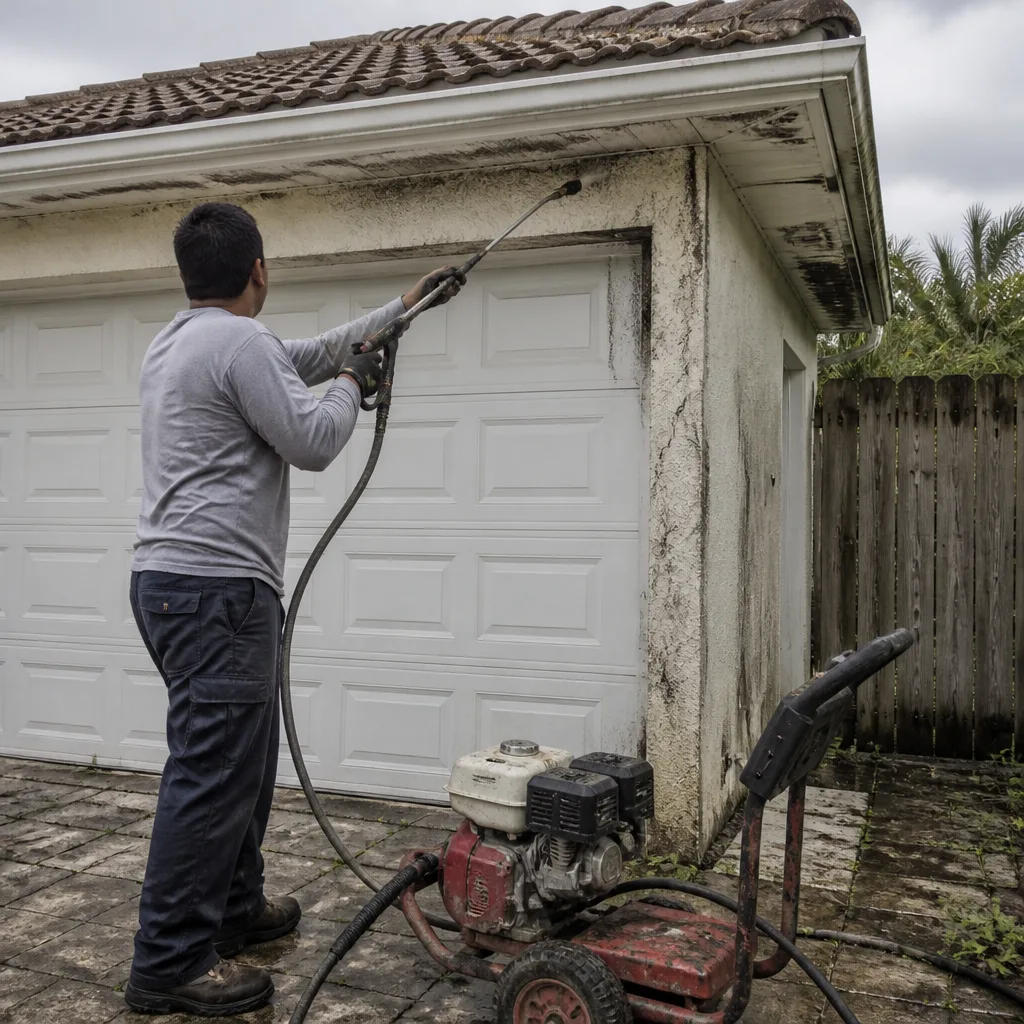 Before
 After
After Before
 After
AfterReplacement Cost & What’s Included
In West Palm Beach, Jerith roof repair runs from $400 to $1,800 for targeted repairs: resealing lap seams, replacing failed fasteners, rebedding flashing, patching a single damaged panel. A full panel replacement, where we remove and replace a section rather than the whole roof, usually lands between $1,200 and $2,500. The spread depends on what we find once the panel comes off: if the substrate is rotted or the underlayment has failed, the scope grows.
Here’s what’s included, no surprises: the written price covers the parts, the labor, the fasteners and sealants, the disposal of removed material, and any touch-up to the surrounding panels that keeps the repair from creating a new weak point. We don’t hit you with a change order at the door. If we find rot under the panel, we call you with the number before we touch the deck, not after. Every Jerith repair carries the 365-Day Done Right Promise in writing: if the repair fails inside a year, we come back and make it right at no charge.
- Seam reseal and fastener replacement: $400 to $900
- Flashing rebed and edge re-secure: $600 to $1,400
- Single panel patch or replacement section: $1,200 to $2,500
- Underlayment replacement (if substrate exposed): priced after the panel comes off, never before
DIY or Call Us?
Here’s the honest split. You can safely inspect your Jerith roof from the ground or from a ladder set on level ground, looking for lifted edges, proud fasteners, or visible gaps at the seams. You can clear debris from the panel valleys with a leaf blower. What you should not do is walk the panels. Jerith aluminum roofing is not a walkable surface, and a fall from even a single-story roofline in West Palm Beach is a hospital trip or worse. We don’t recommend any DIY work that puts you on the panel surface or reaching over the edge with a caulk gun.
The other reason to call us: half the repair is knowing what you’re looking at. A homeowner sees a lifted seam and reaches for roofing caulk. We see a failed washer, a backed-out fastener, and a panel that’s been working in the wind long enough to stretch the fastener hole. Caulk over that and you’ve bought a few months, not a fix. Call (728) 203-9809 for a free estimate. We’ll give you a straight number, full scope, no surprises after the invoice.
FAQs
Jerith aluminum panels are rated for decades, but the fasteners and sealants that hold them together typically need attention every 8 to 12 years in West Palm Beach’s salt air and storm cycles. The panels may outlast us all; the assembly around them won’t.
Caulk can seal a leaking lap seam for a year or two, but it doesn’t fix a backed-out fastener or a corroded fastener row, which are the actual causes of most Jerith failures. We reseal and re-secure as a set, because sealing over a loose panel just moves the leak. Call (728) 203-9809 for an exact quote; estimates are free.
Most seam and fastener repairs on a Jerith roof take one visit, usually three to four hours on site. Panel replacements run a full day once the panel is ordered and staged.
We stock the fasteners, sealants, flashing, and clip systems that match most Jerith profiles, and we keep a small inventory of aftermarket panels that mirror the common rib profiles. If your panel is a legacy size we don’t stock, we order it, and your written price reflects the wait. We also stock parts for KraftMaid, Cambria, and Silestone, in case the roof work turns up something else.
Written by Curtis Lane, Owner, Bradford Remodeling Co – West Palm Beach at Bradford Remodeling Co West Palm Beach, serving West Palm Beach and nearby areas.