Free written scope consultation - allowances, timeline, and change-order rules on paper before a single trade is scheduled
James Hardie Windows & Doors: The West Palm Beach Owner’s Guide
Replacing a failed James Hardie window or door in West Palm Beach typically costs between $4,500 and $25,000 when you factor in the unit, flashing, trim, and the labor to remove the old piece without tearing up your siding. That spread is wide because a single window swap and an eight-foot French door with side lites are two very different jobs, but almost every repair we quote lands somewhere in that range. Most owners discover the problem the same way: a window suddenly sticks, a door won’t latch clean after a storm, or water shows up on the interior sill after a heavy rain. The part didn’t announce itself. It just stopped doing its job.
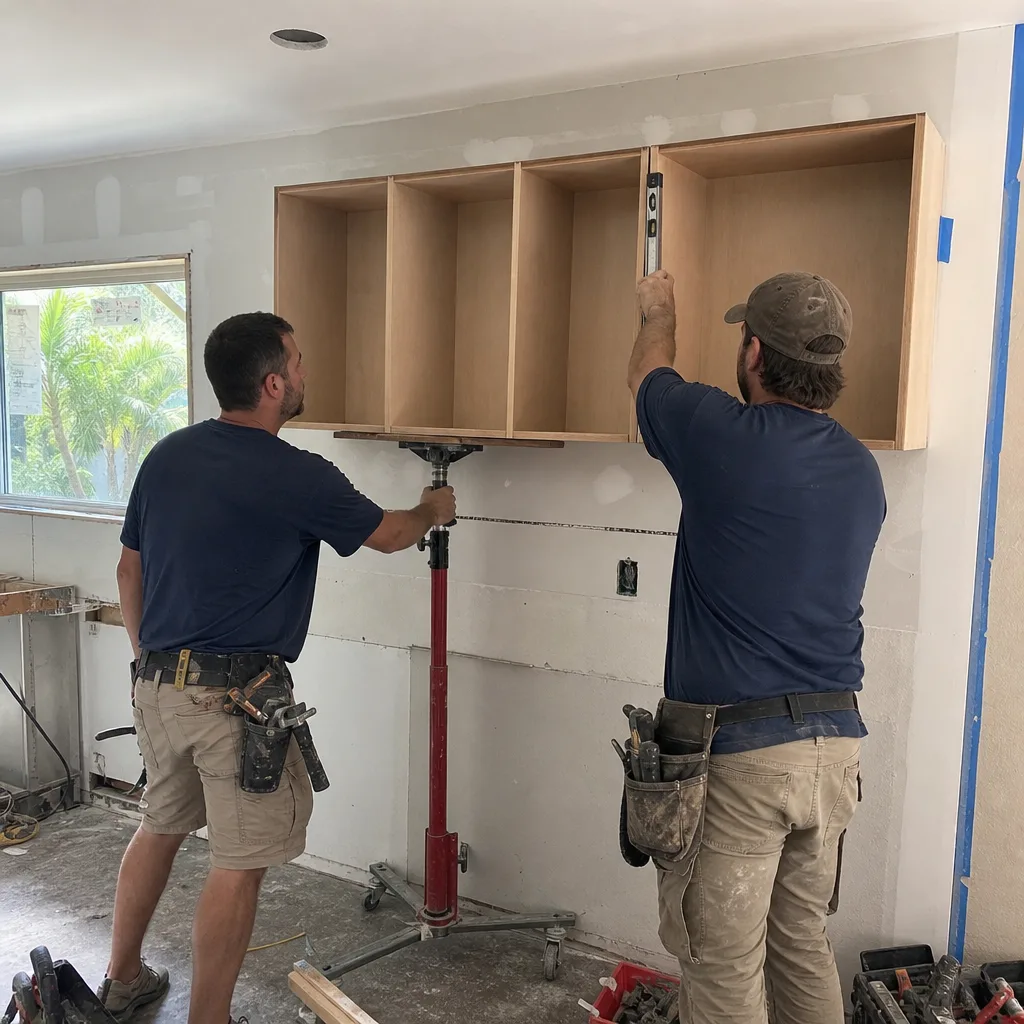
We’re Bradford Remodeling Co West Palm Beach, an independent service provider not affiliated with James Hardie. We work with the Hardie product line daily because it’s what half the homes in this market are clad in, and we keep the common trim, flashing, and sealant parts on the truck so the first trip isn’t a measuring exercise.
Which James Hardie Models This Applies To
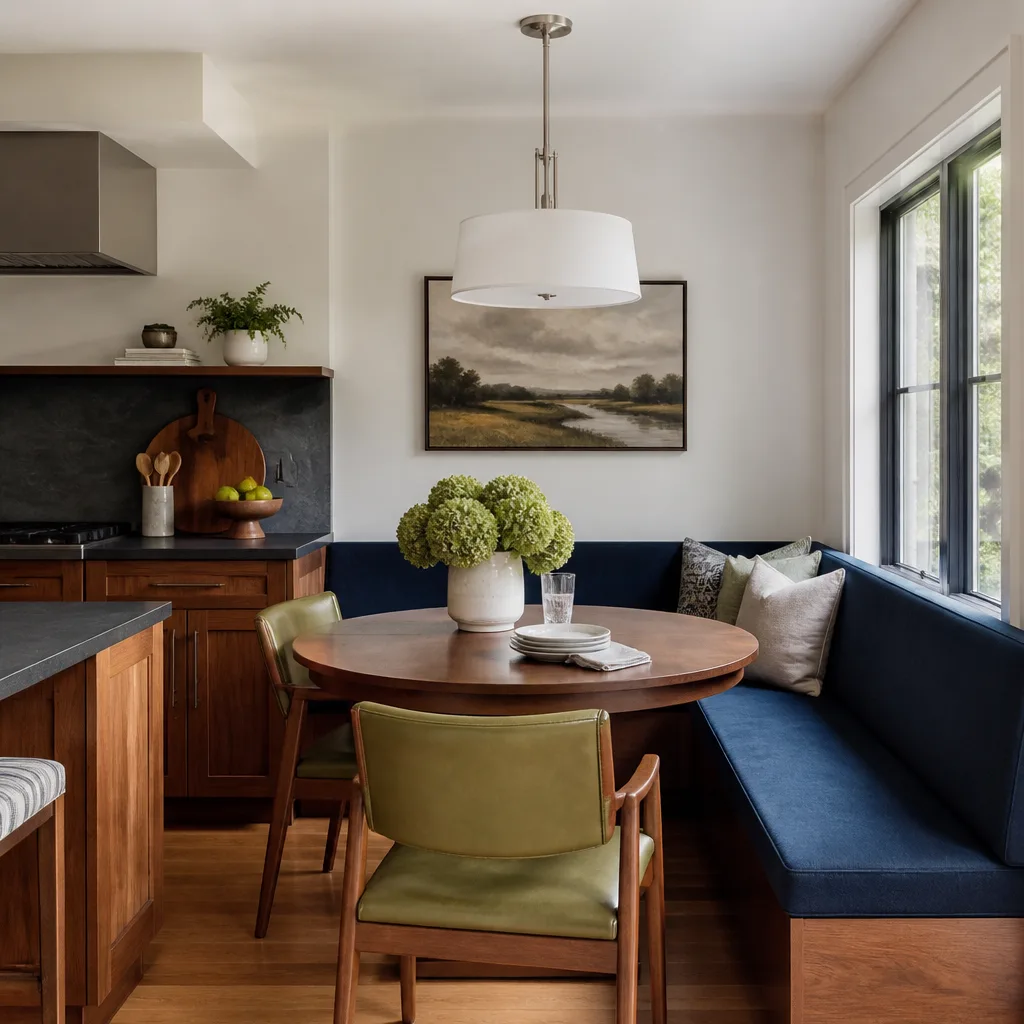
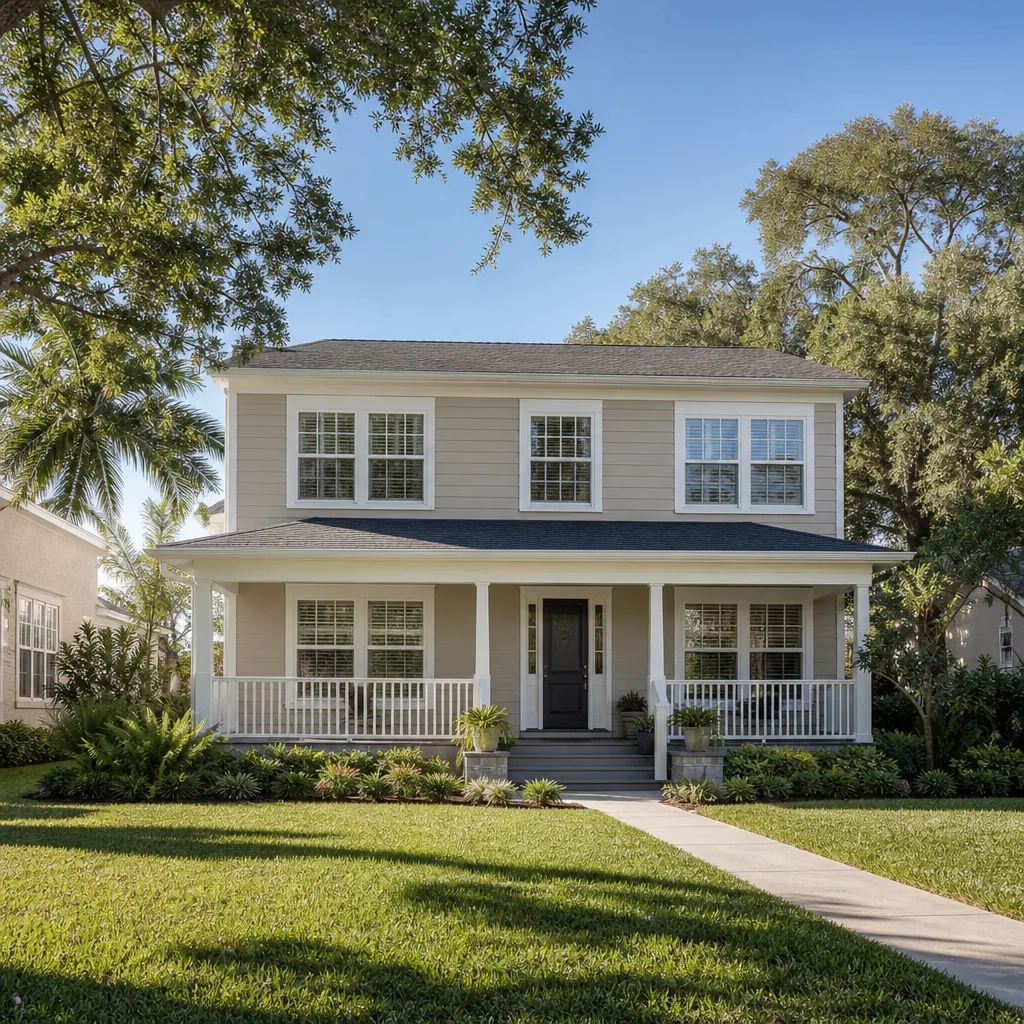
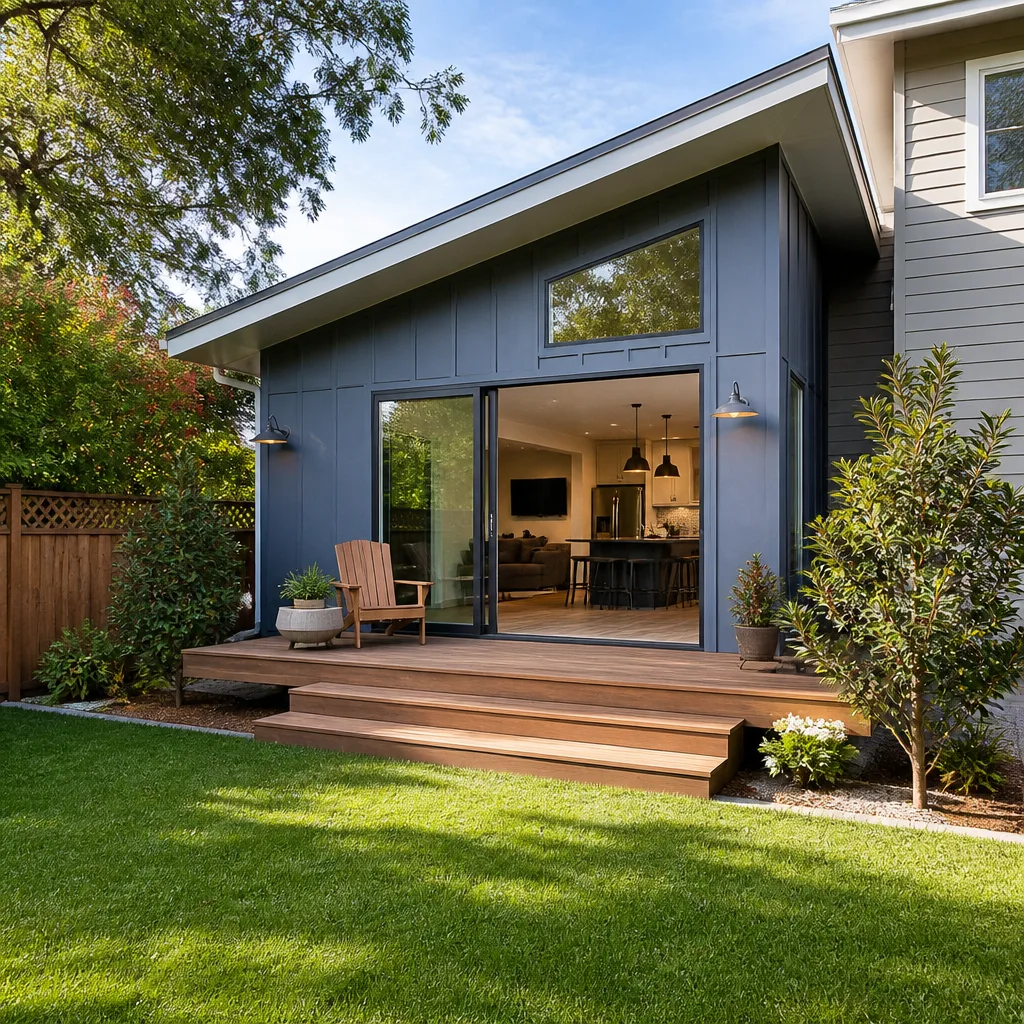
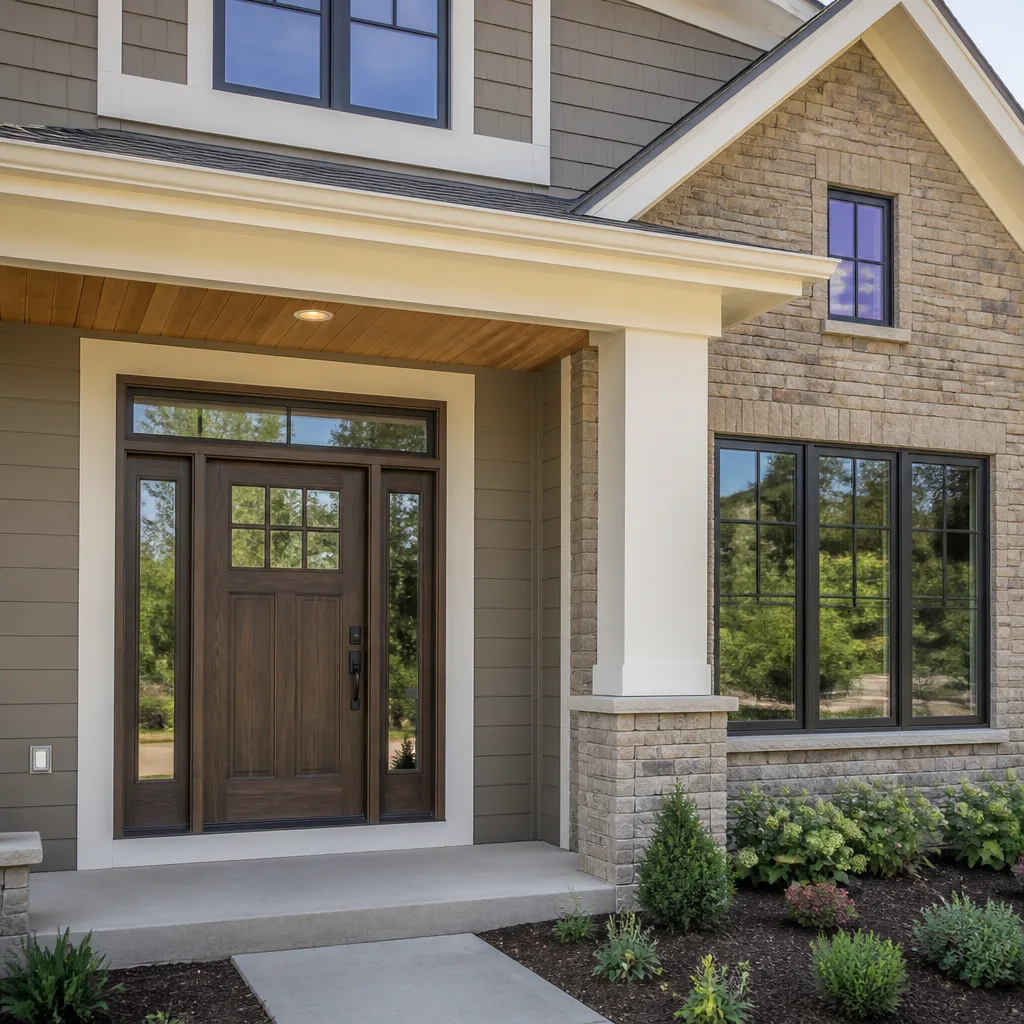
James Hardie doesn’t manufacture window or door units themselves. What carries the Hardie name around windows and doors is the exterior trim system: HardieTrim® boards, HardieSoffit® panels, and the joint flashing details specified in the Hardie installation guide. The windows and doors themselves are typically Therma-Tru, Pella, Andersen, or a builder-grade vinyl unit, and the James Hardie trim and flashing wrap is what ties them into the siding. When someone in West Palm Beach says “my James Hardie window is failing,” they’re almost always describing the trim, flashing, or sealant around the window, or the window unit itself that was installed inside a Hardie-clad opening.
Here’s the compatibility gotcha that costs owners time: HardieTrim comes in specific thicknesses, 5/4 and 4/4 being the two you’ll see in Florida, and the reveal, the gap between the trim edge and the siding, has to match the original install or the whole elevation looks off. A 5/4 board swapped for a 4/4 board changes the shadow line and exposes caulk joints that weren’t meant to be exposed. We identify the original material by checking the factory edge markings on an off-cut or pulling a piece of trim where it’s least visible to measure thickness. On the aftermarket side, you’ll find generic fiber cement trim boards priced 15 to 30 percent below HardieTrim. They will fit, and they will fail faster. Hardie’s product carries a 30-year limited transferable warranty on the trim; the generic stuff carries whatever the big-box store prints on the receipt. In West Palm Beach, where six months of afternoon rain and salt air is the normal condition, we specify genuine HardieTrim unless the owner asks us to quote the alternative and signs off on the trade.
Styles & brands we work with
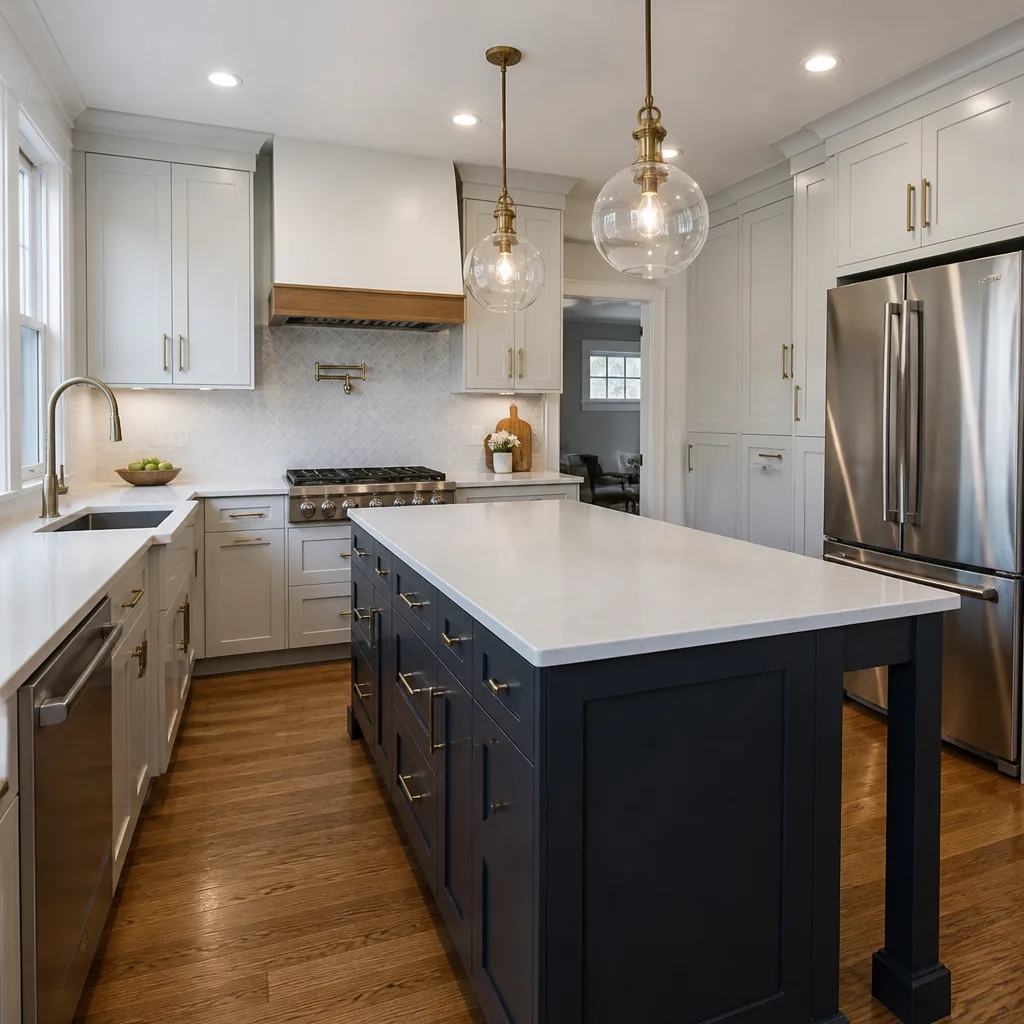
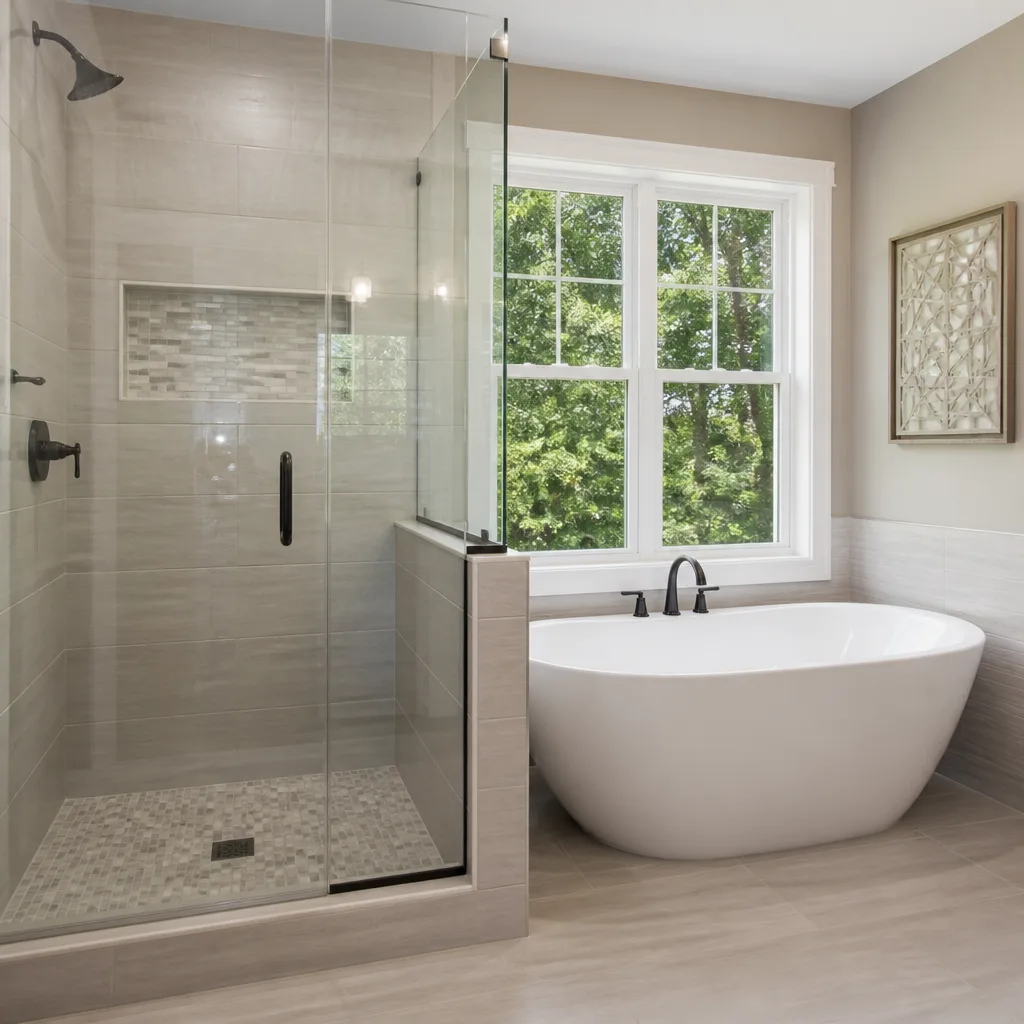
Signs Your James Hardie Windows & Doors Is Failing
- Caulk joint separation at the trim corners. This happens when the trim boards expand and contract through Florida’s wet-to-dry cycles. The caulk pulls away at the miter joints first, and once that seal is broken, water gets behind the board and into the wall cavity.
- Soft or swollen trim at the bottom corners. Fiber cement wicks moisture from a cut edge that was never sealed. If the bottom edge of the trim feels chalky or spongy, the board has absorbed water and is on its way out.
- Rust staining beneath the window sill or door threshold. That’s the flashing telling you it’s done. In coastal West Palm Beach, metal flashing fails faster than anywhere inland because the salt air accelerates corrosion.
- The window or door won’t square in its opening anymore. When the trim and substrate swell, they push against the frame. The unit itself is often fine; the opening around it has moved.
- Interior drywall staining at the top or bottom corners. By the time water shows up inside, it’s been traveling behind the trim for weeks. This is the sign that turns a trim repair into a substrate repair.
See the difference
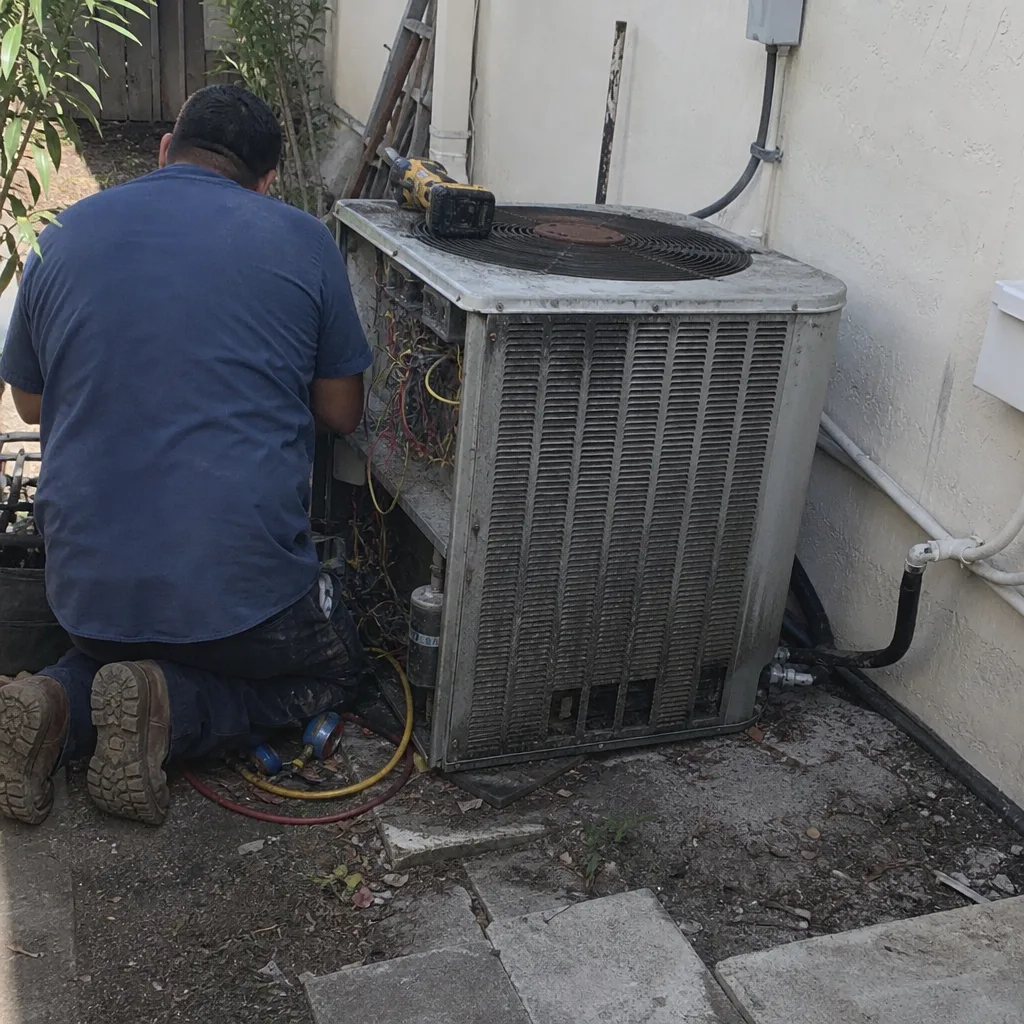 Before
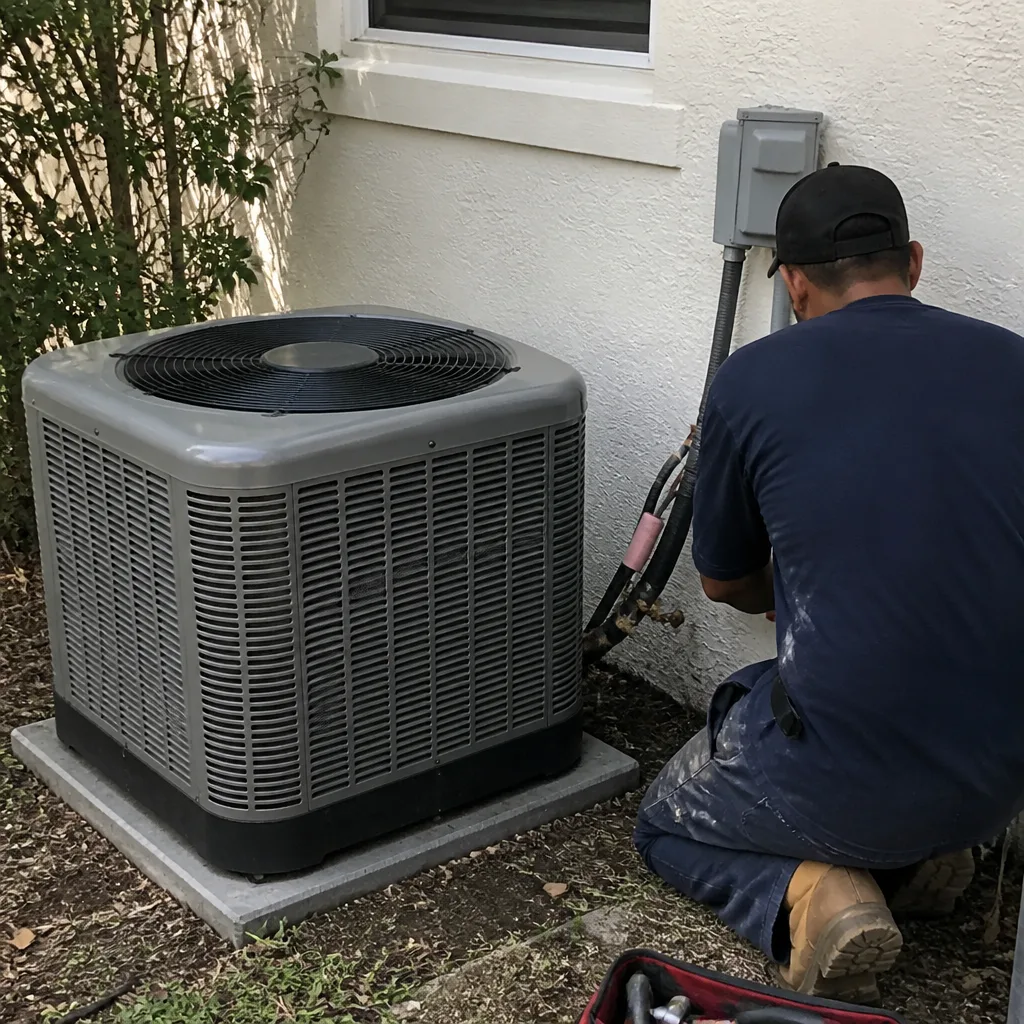 After
After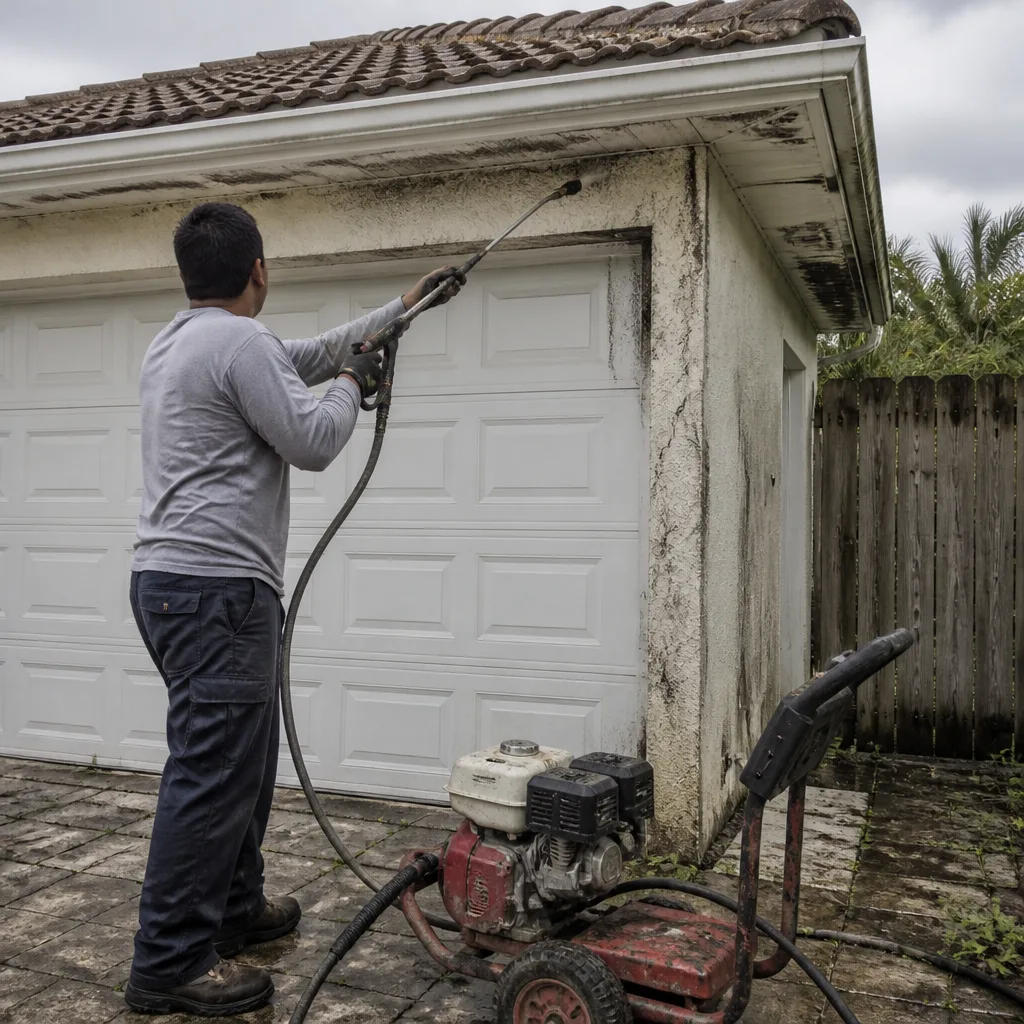 Before
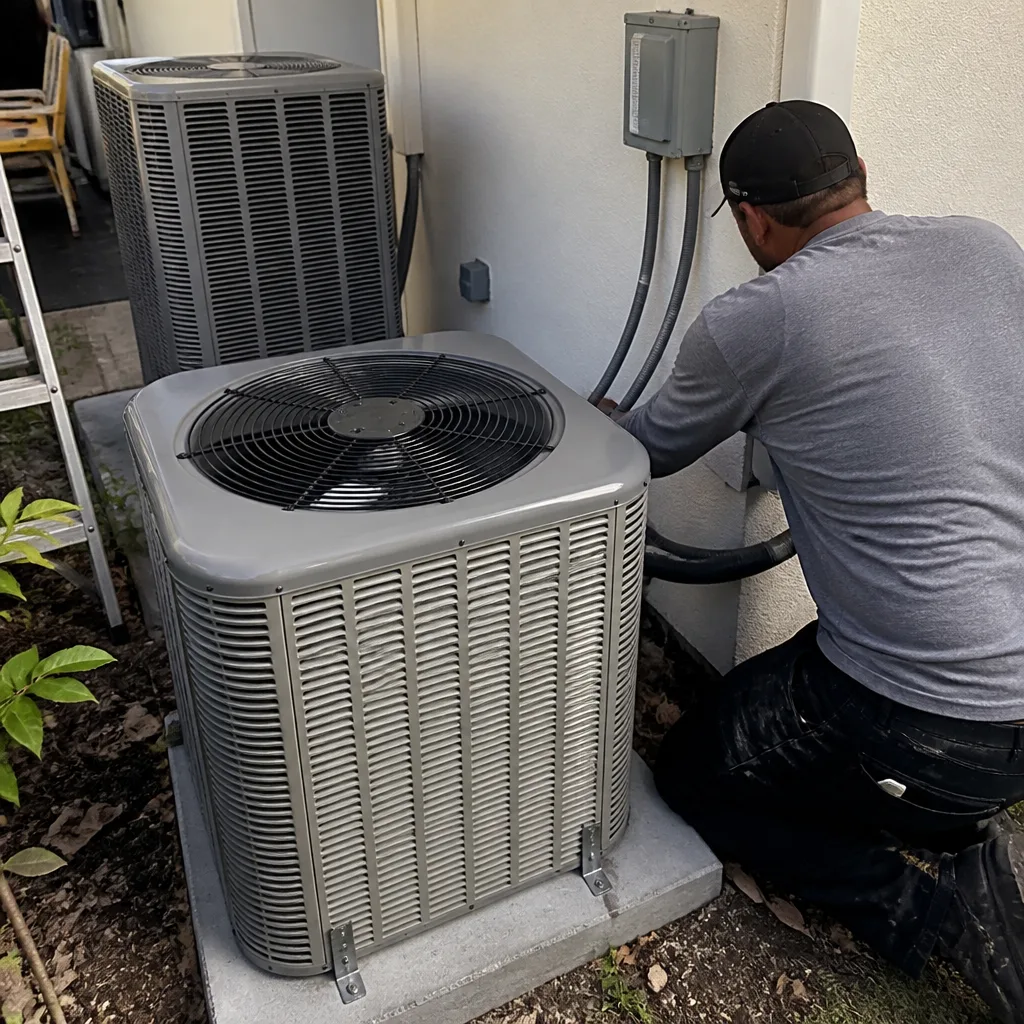 After
After Before
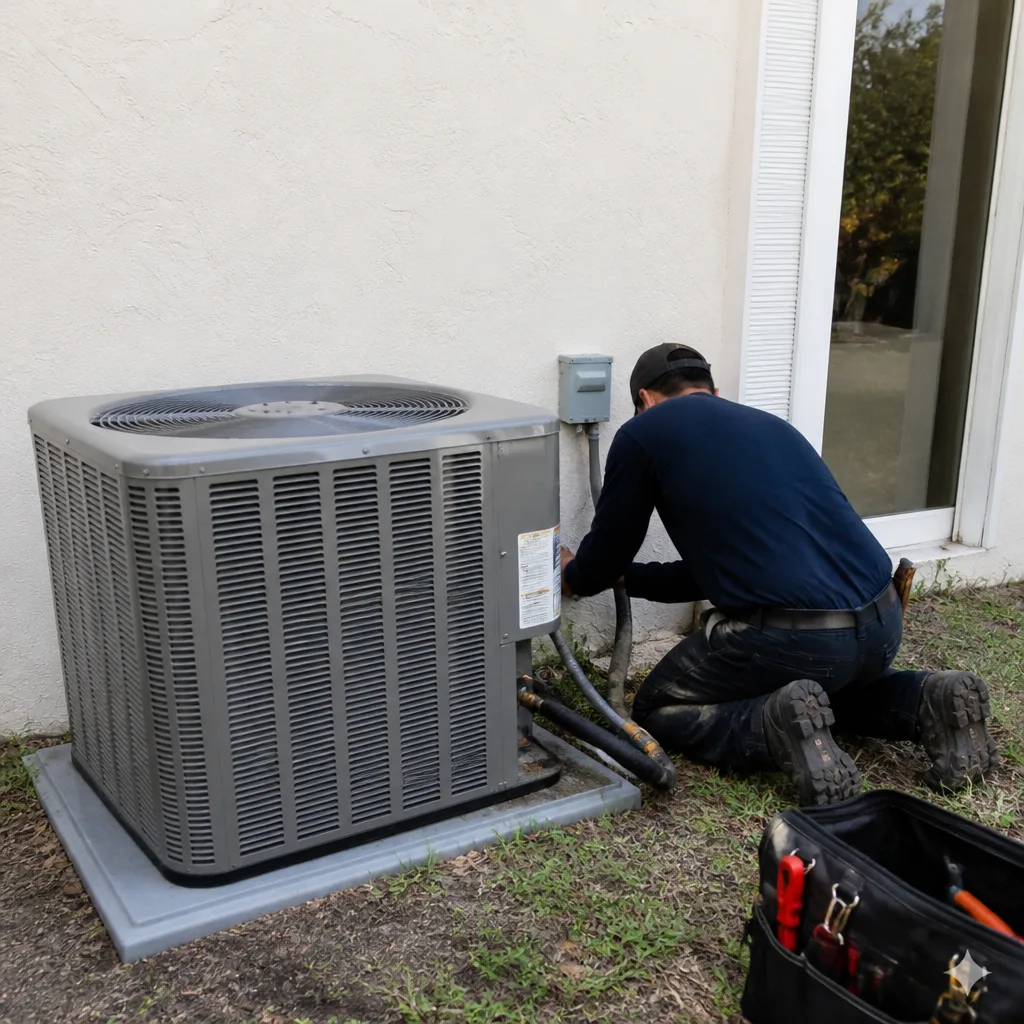 After
AfterReplacement Cost & What’s Included
We give every West Palm Beach client a written line-item price before any work starts. No number moves at the door. What drives the range is the size of the opening, whether the substrate behind the trim is still sound, and whether we’re replacing one window or a full elevation. A single window trim and flashing repair typically runs $400 to $1,800, which mirrors our general window repair pricing, while a full window replacement with new Hardie-compatible trim lands between $4,500 and $15,000. Full door unit swaps run $4,500 to $15,000, with impact-rated models at the top of that spread. Impact window installation across Florida runs $8,000 to $25,000, and that’s what you’ll be into if the project turns into an opening-by-opening upgrade.
Every quote includes the parts, labor, all flashing and sealant, haul-off of the old material, and the written 365-Day Done Right Promise. That Promise means what it says: if the repair or replacement fails inside the first year, we return and correct it at no charge. Curtis Lane doesn’t write checks for crews that leave a site looking like a storm came through; the job closes with a clean work area, the old material in the trailer, and the signed guarantee in your hand.
DIY or Call Us?
You can safely inspect the exterior of your James Hardie trim and door frames. Look for the caulk separation and soft spots described above. That’s a homeowner’s job. What goes wrong in DIY is the removal and reinstallation. Fiber cement board is brittle. A pry bar in the wrong spot cracks the adjacent board, and now you’re replacing the whole elevation instead of one piece. The other failure point is flashing. West Palm Beach building codes under the Florida Building Code require specific flashing sequences around window and door openings, and a homeowner who skips the right sequence gets a dry-looking repair that leaks inside eighteen months. None of this is high-tension dangerous, but the water damage from a bad flashing job will cost far more than the labor would have. If you suspect water has already gotten behind the trim, call us at (728) 203-9809 before you open the wall. We’ll tell you what we’re looking at and quote the repair flat.
FAQs
The HardieTrim and flashing system, properly installed and resealed on schedule, lasts 20 to 30 years in this climate. The window or door unit inside that opening typically lasts 15 to 20 years before seals fail or operation gets sloppy. West Palm Beach’s combination of intense sun, salt air, and daily summer rain takes roughly 20 percent off the service life you’d see in a drier inland market. Call (728) 203-9809 for an exact assessment of what you’re looking at.
A small crack or chipped corner can be filled with an exterior-grade sealant rated for fiber cement, but a board with soft spots or water absorption needs replacement. Patching a saturated board is waste; the moisture is already inside and will keep working on the substrate behind it. We’ll tell you which situation you have when we look at it.
A single window or door opening usually takes one full day, including removal, any substrate repair, new trim and flashing installation, and full cleanup. A full elevation or multiple openings runs two to three days depending on access and what we find behind the old trim. You’ll have the exact schedule on the written quote before we start.
We stock the common HardieTrim profiles, flashing components, and sealants on the truck in West Palm Beach, plus we work with KraftMaid, Cambria, and Silestone materials when the job expands into an interior finish. Uncommon profiles and impact-rated window or door units are ordered for your specific job with the lead time stated on the quote. Straight number, full scope, no surprises after the invoice.
Written by Curtis Lane, Owner, Bradford Remodeling Co – West Palm Beach at Bradford Remodeling Co West Palm Beach, serving West Palm Beach and nearby areas.