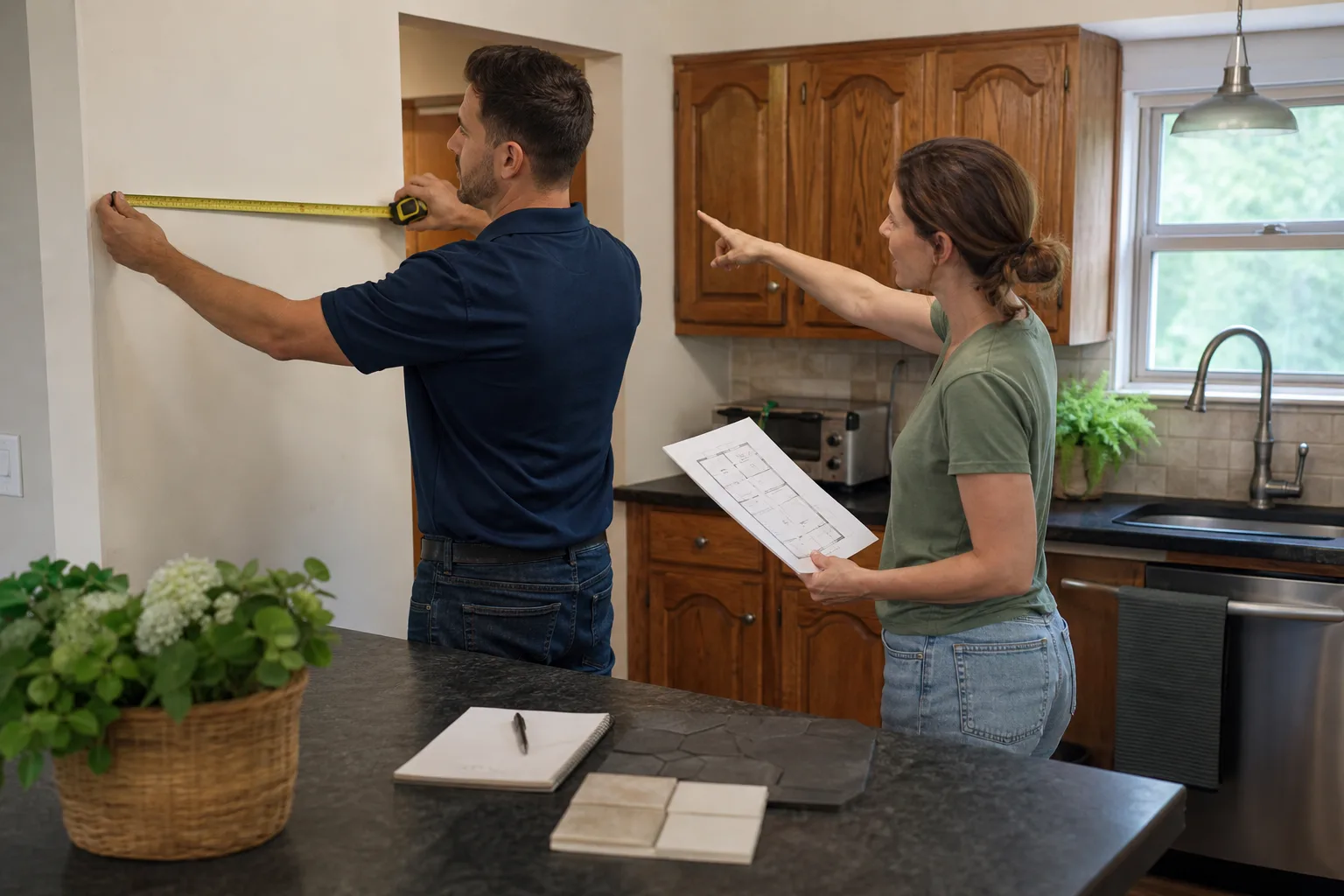
Free written scope consultation - allowances, timeline, and change-order rules on paper before a single trade is scheduled
Quikrete Home Additions & ADU: The West Palm Beach Owner’s Guide
Quikrete-based home additions and ADUs in West Palm Beach typically run $45,000 to $130,000 installed, depending on square footage, foundation work, and whether we’re tying into existing plumbing and electrical or starting from scratch. We stock the full range of Quikrete concrete mixes, anchor bolts, and forming materials on our trucks, so once the scope is set, the work doesn’t wait on supply runs. Most homeowners discover there’s a problem when they notice hairline cracks in a slab, moisture wicking up through block walls, or a grout line that’s pulling away from the substrate after a heavy rain season.
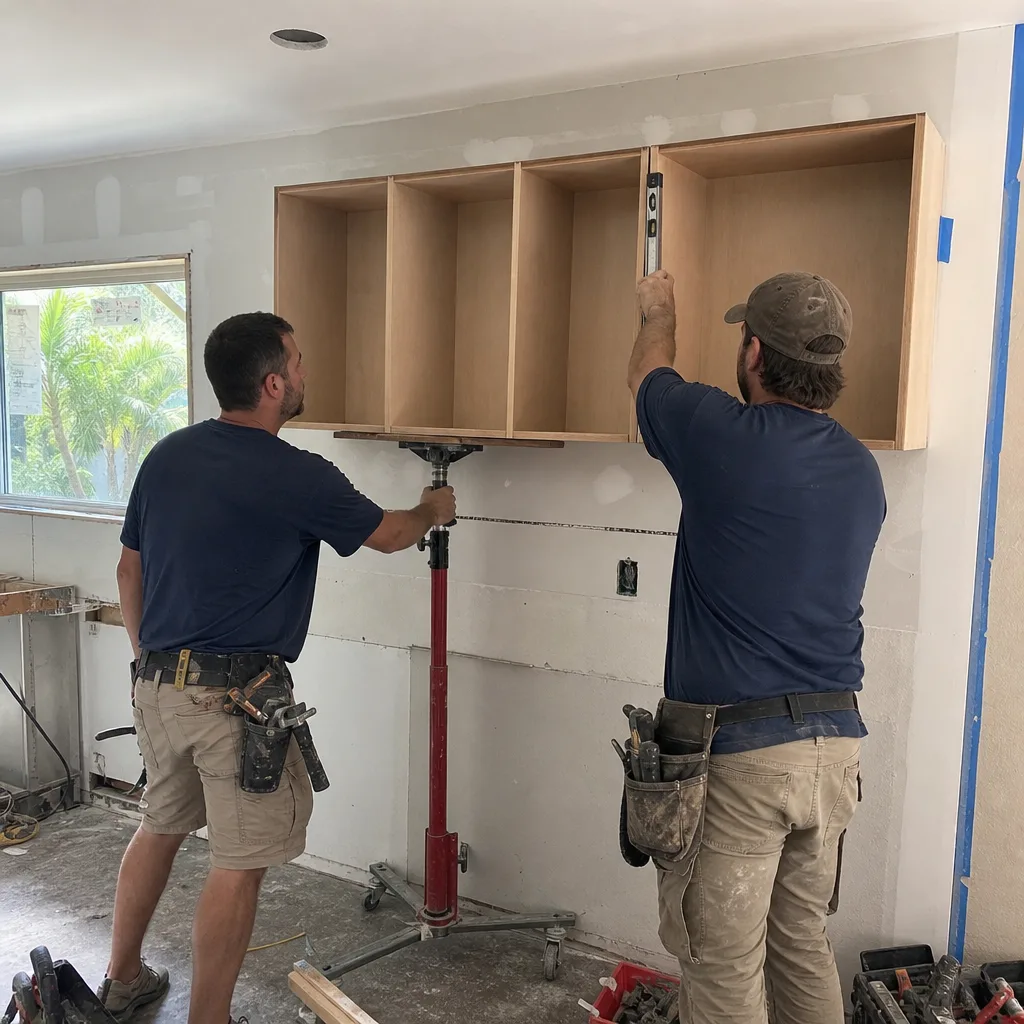
Here’s the reality in West Palm Beach: the soil moves. We get sandy loam that expands after a storm and contracts during the dry months. That means your Quikrete work is only as good as the prep underneath it. We build every addition and ADU with that movement in mind, using the right mix for the application, proper rebar schedules, and expansion joints placed where the slab actually wants to crack, not where it’s convenient to cut.
Curtis Lane has been running jobs along the Northwood Village corridor and throughout West Palm Beach long enough to know that a concrete project here succeeds or fails before the first bag gets opened. We’re an independent contractor. Quikrete doesn’t own us, sponsor us, or sign off on our work. But we use their materials because the spec sheets are dependable, the mix ratios are consistent, and we can trace every batch back to the lot number if a question ever comes up.
Which Quikrete Models This Applies To
Quikrete isn’t a single product. It’s a full line of concrete and masonry materials, and the right one depends on what part of the addition or ADU you’re building or repairing. For slab foundations, we run Quikrete 5000 High Early Strength mix when the schedule is tight or the inspector wants a faster cure. For block walls on an ADU in West Palm Beach, we use Quikrete Mason Mix Type S because it holds up to wind-driven rain better than Type N. For footings that carry real load, Quikrete 5000 or a bagged mix with the proper aggregate is the call, never a general-purpose blend.
Here’s the compatibility gotcha most homeowners don’t know: Quikrete products carry lot numbers printed on the bag, and that number tells you the plant, the date, and the batch. If you’re matching existing work, you need to know what was originally poured. Matching a patch to a 4,000 PSI slab with a 5,000 PSI mix is fine. Going the other direction is not. And if the existing concrete has a color hardener or an integral pigment, that formulation changes the match. We keep a log of what goes into every pour so a repair five years later is actually a repair, not a guess.
On the OEM versus aftermarket question: with Quikrete, there’s no aftermarket. The bag is the product. What varies is the aggregate you add, the water ratio, and the curing method. That’s where the quality difference lives, and that’s the part we control. A bag of Quikrete is a bag of Quikrete. What turns it into a sound slab or a crumbling mess is the hand that mixes it and the schedule that cures it.
Styles & brands we work with
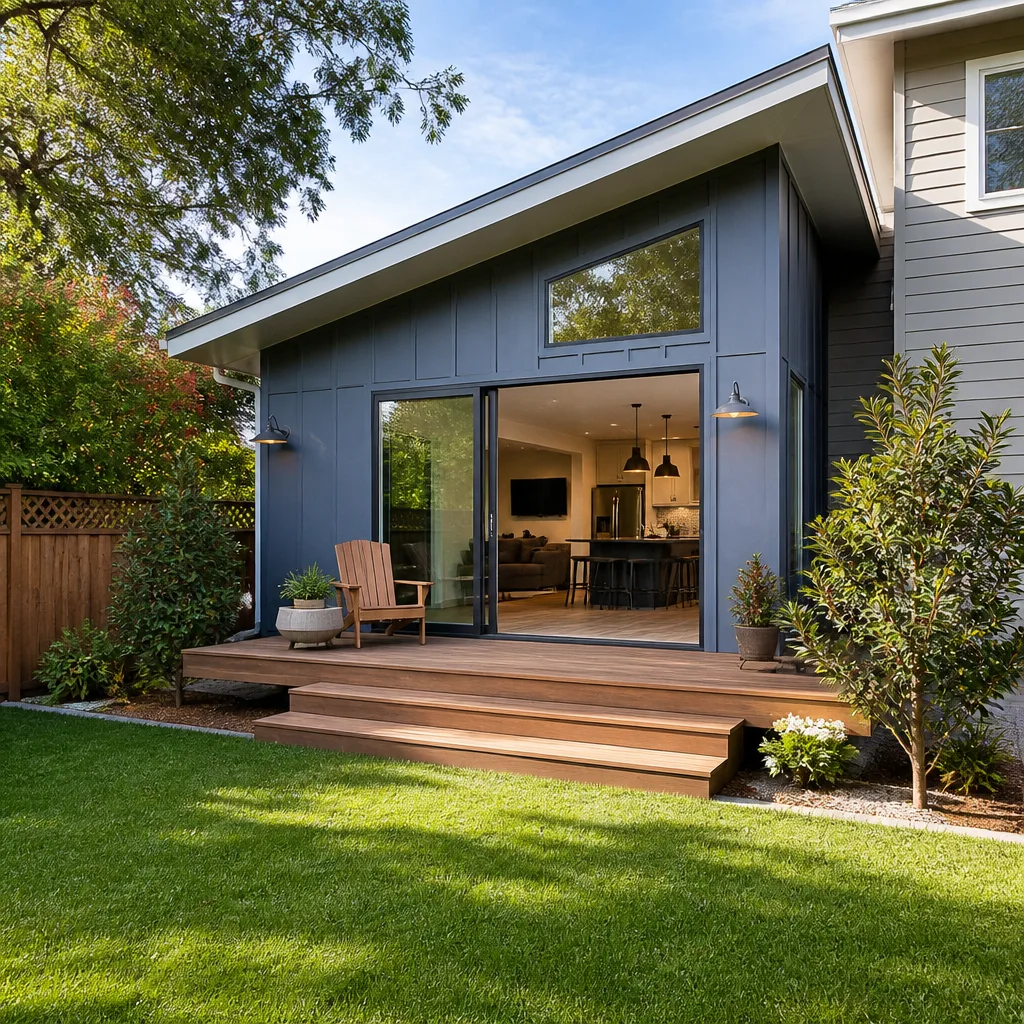
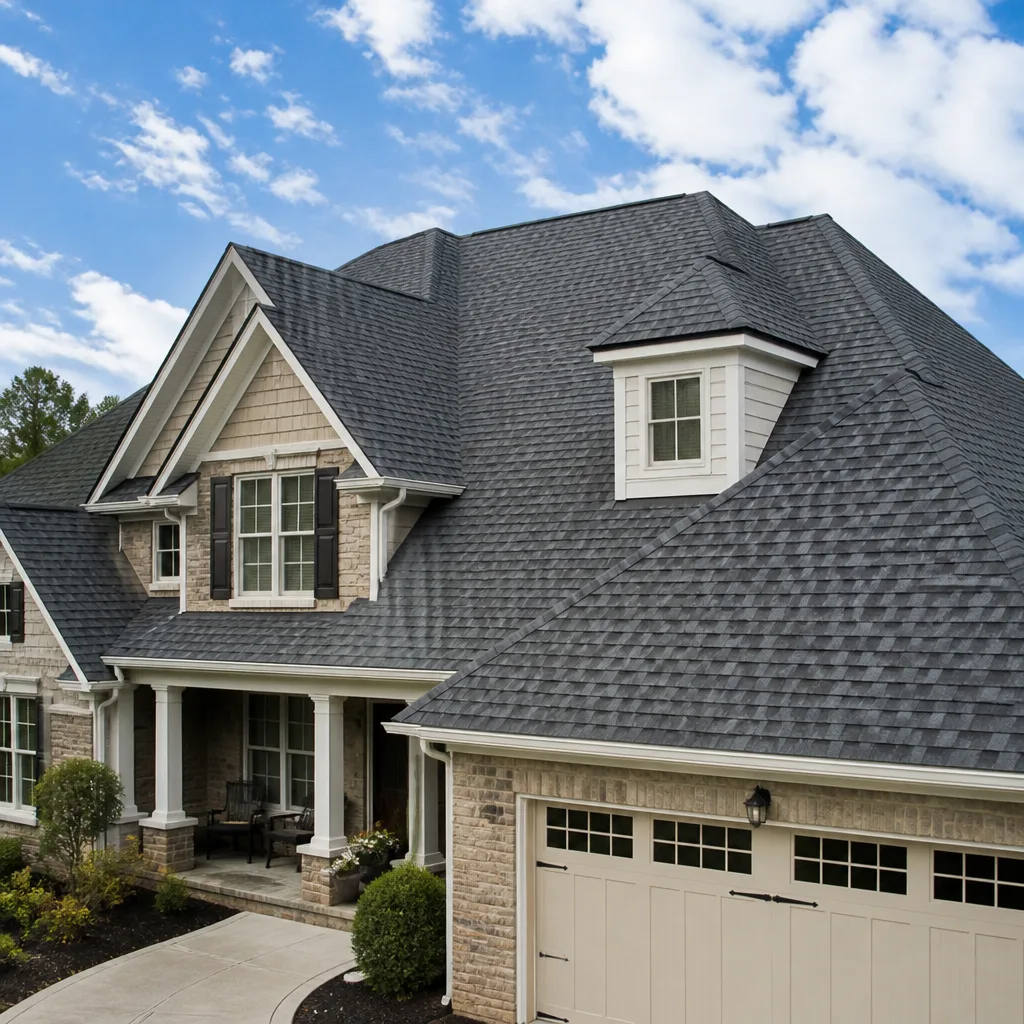
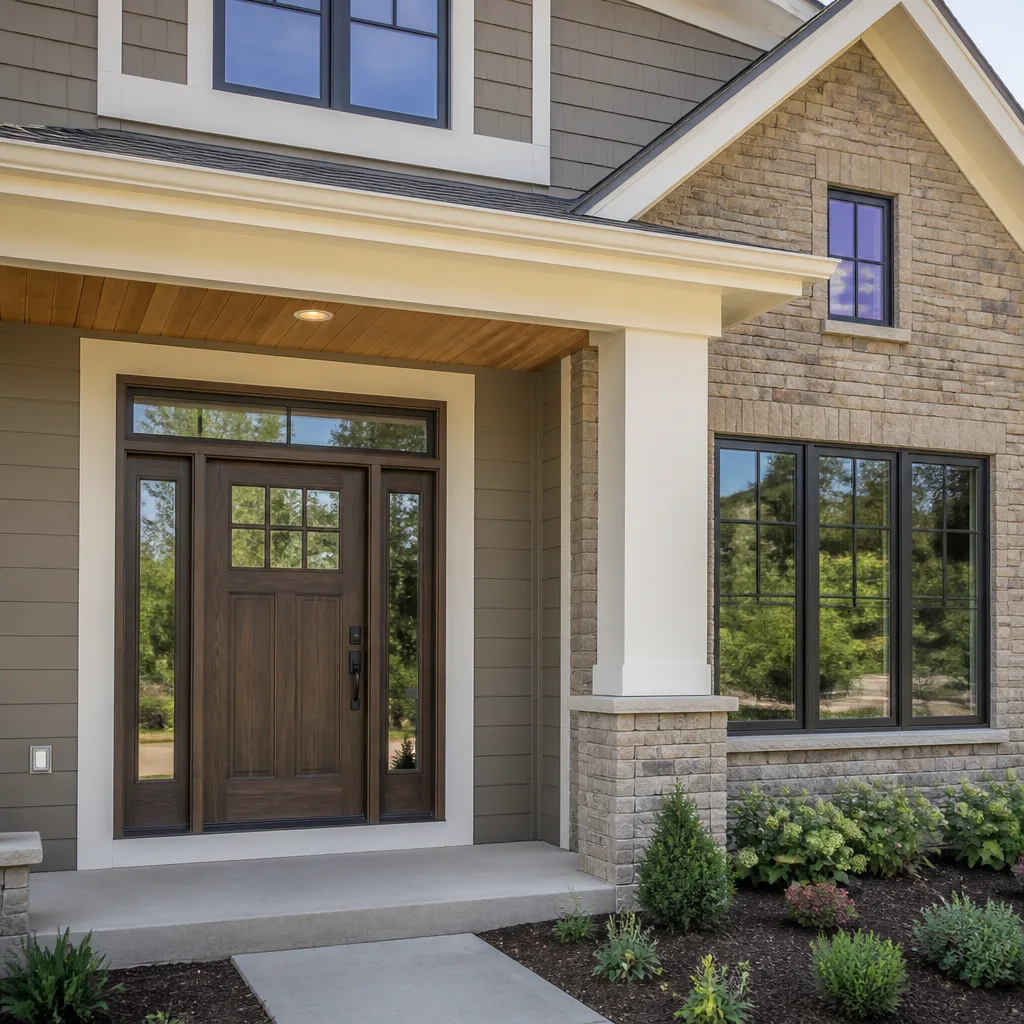
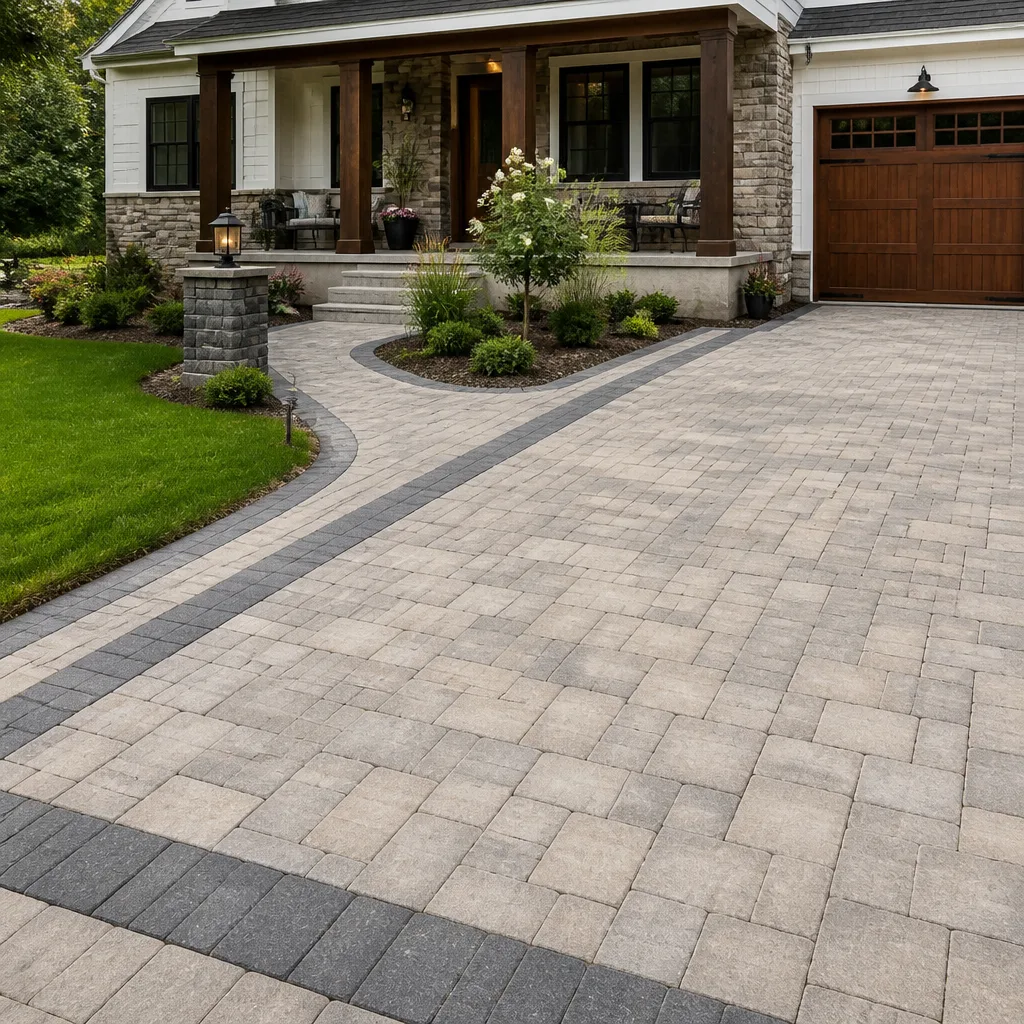
Signs Your Quikrete Home Additions & ADU Is Failing
- Hairline cracks running parallel to the foundation. In West Palm Beach, this usually means the slab was poured too wet or it cured too fast in the heat. Concrete shrinks as it cures. If it loses moisture too quickly, it cracks. These aren’t always structural, but they let water in, and water is the enemy of everything underneath.
- Efflorescence, that white chalky powder on block walls. Water is moving through the masonry and leaving mineral deposits behind. It means the weep system or the waterproofing layer isn’t doing its job. Left alone, it will eventually spall the face of the block, especially with the salt air we get near the coast.
- Grout lines pulling away from tile or stone. Movement underneath is working against the bond. It could be slab settlement, thermal expansion, or a substrate that was never properly prepared. By the time the grout shows a gap, the problem has been happening for a while.
- Soft spots or hollow sounds when you tap the concrete. That’s delamination. The surface has separated from the body of the slab, usually because the pour was finished too early or the subgrade wasn’t compacted. In a tropical climate like ours, this accelerates fast once water gets in.
- Water collecting at the base of a wall after rain. The slab slope is wrong, or the drainage wasn’t planned. West Palm Beach gets 60 inches of rain a year. If water sits against a Quikrete wall for days at a time, the erosion starts at the mortar joints and works inward.
Replacement Cost & What’s Included
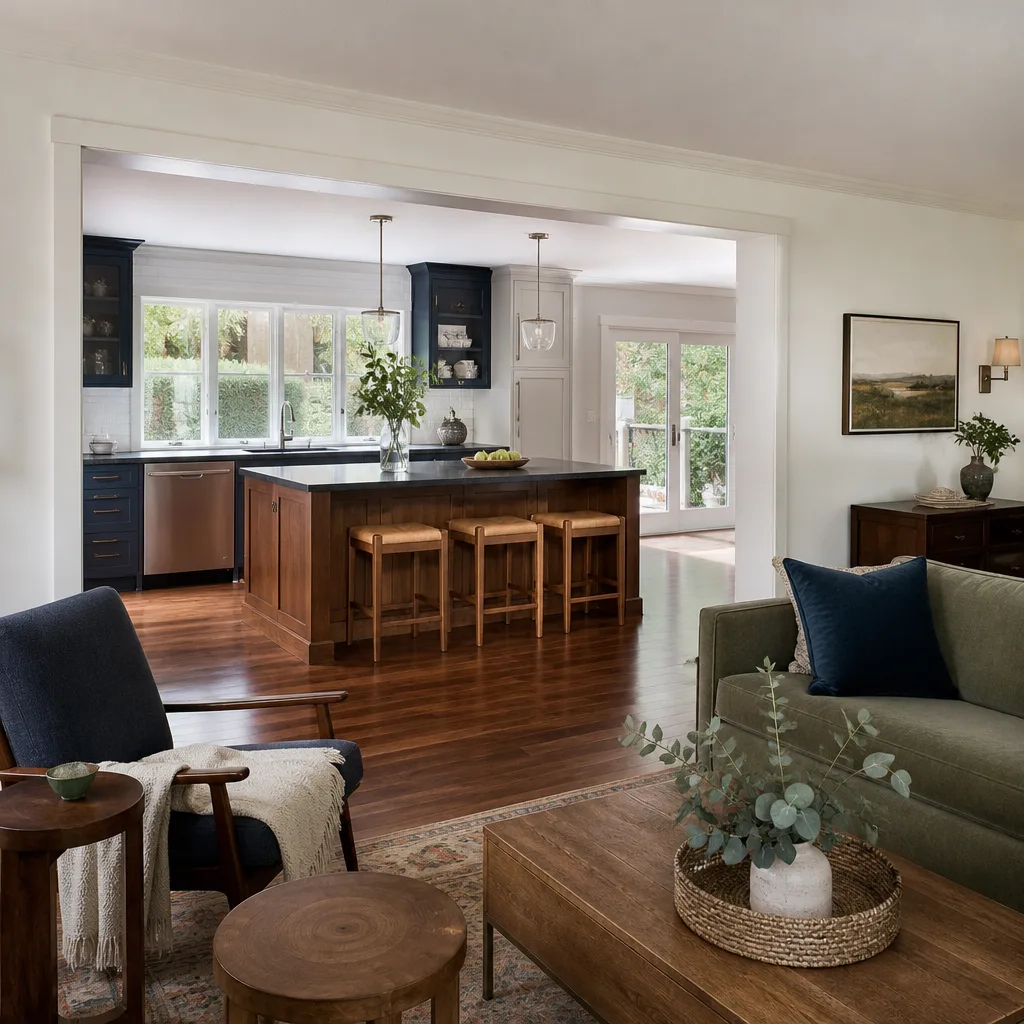
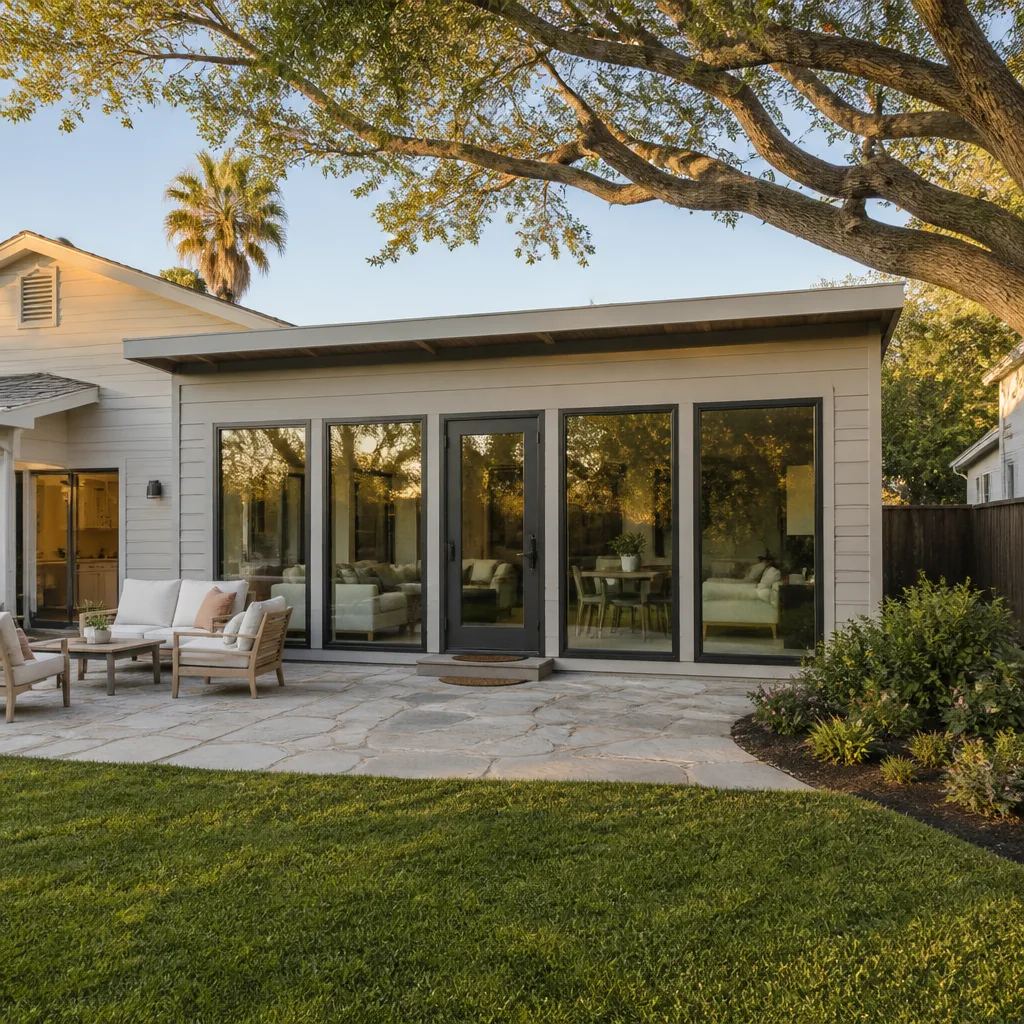
Here’s a straight number: a home addition in West Palm Beach built on Quikrete materials runs $45,000 to $130,000. An ADU is a bigger animal because it needs its own utilities, its own meter tie-in, and often its own foundation on a lot that wasn’t originally graded for a second structure. Those projects run $90,000 to $220,000. A garage conversion, which usually means pouring new footings and tying into an existing slab, runs $30,000 to $80,000.
What drives the range is what’s under the work. If the existing slab is sound and we’re building up from it, the number is on the low end. If the soil has shifted, the footings need re-engineering, or the existing concrete has to be saw-cut and removed, that’s time and material on the high end. We give you the written price before any work starts, and that price doesn’t move unless you change the scope. Period.
Every Quikrete pour we do includes the proper mix specified for the application, rebar or mesh per code, form work, and a curing schedule appropriate for West Palm Beach heat and humidity. That’s a written line item, not a handshake. And when the job’s done, the 365-Day Done Right Promise covers the work. If it fails inside the guarantee window, we come back and correct it at no charge. That’s the Garrison Standard, and it’s in writing before the first bag gets cut open.
See the difference
 Before
 After
After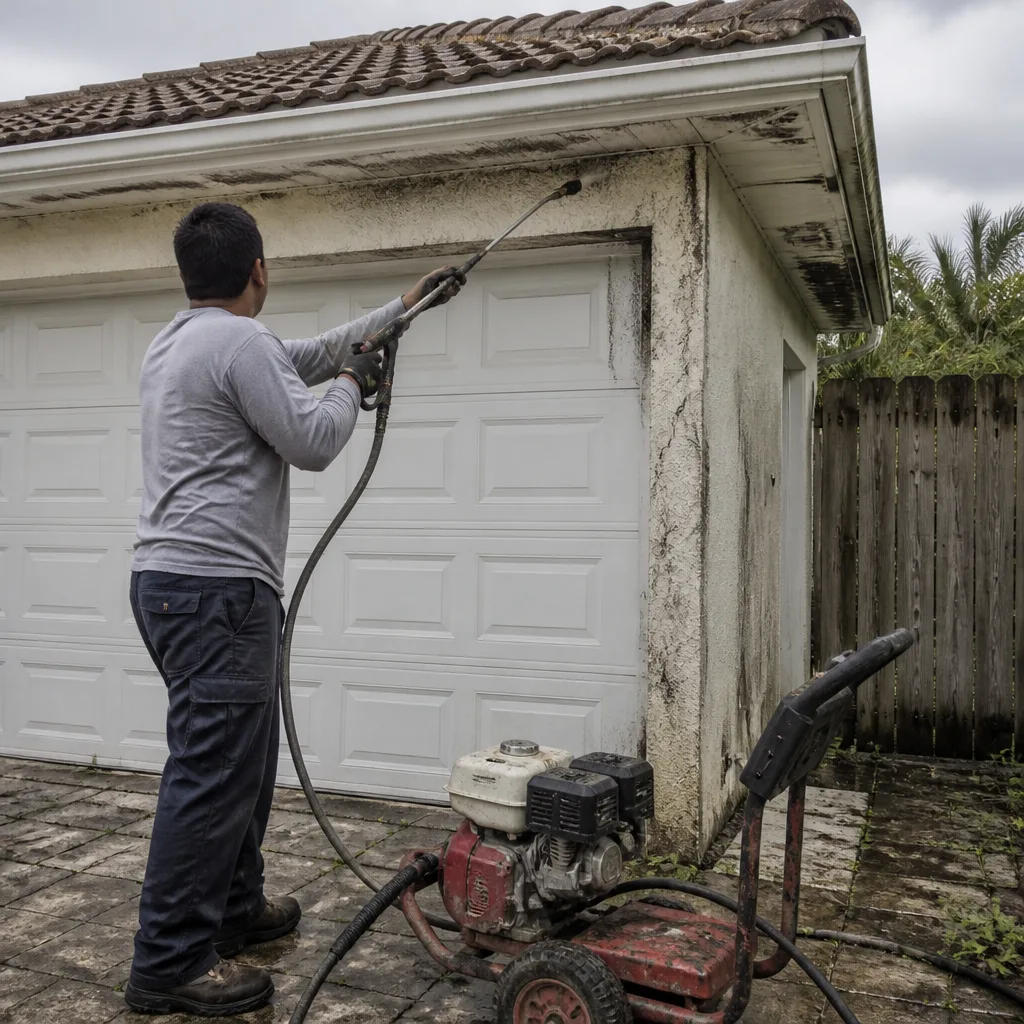 Before
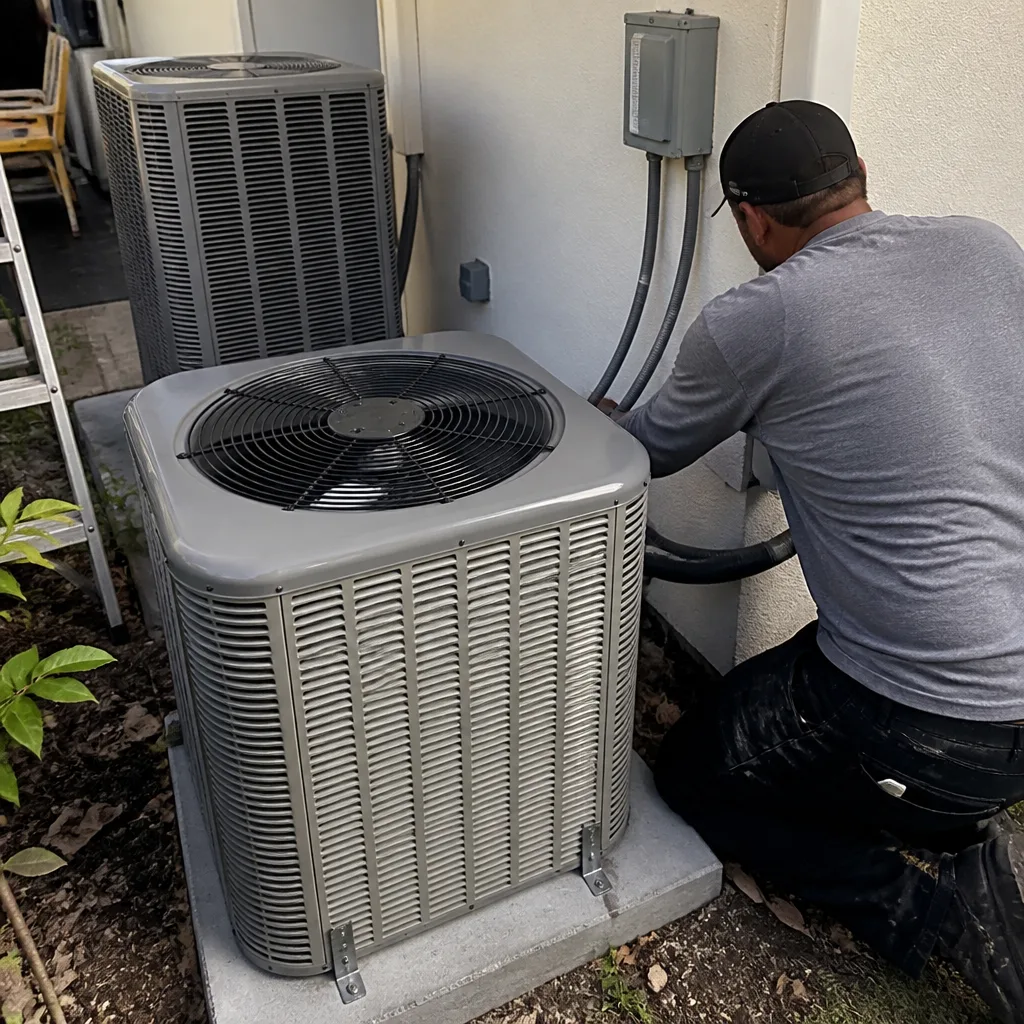 After
After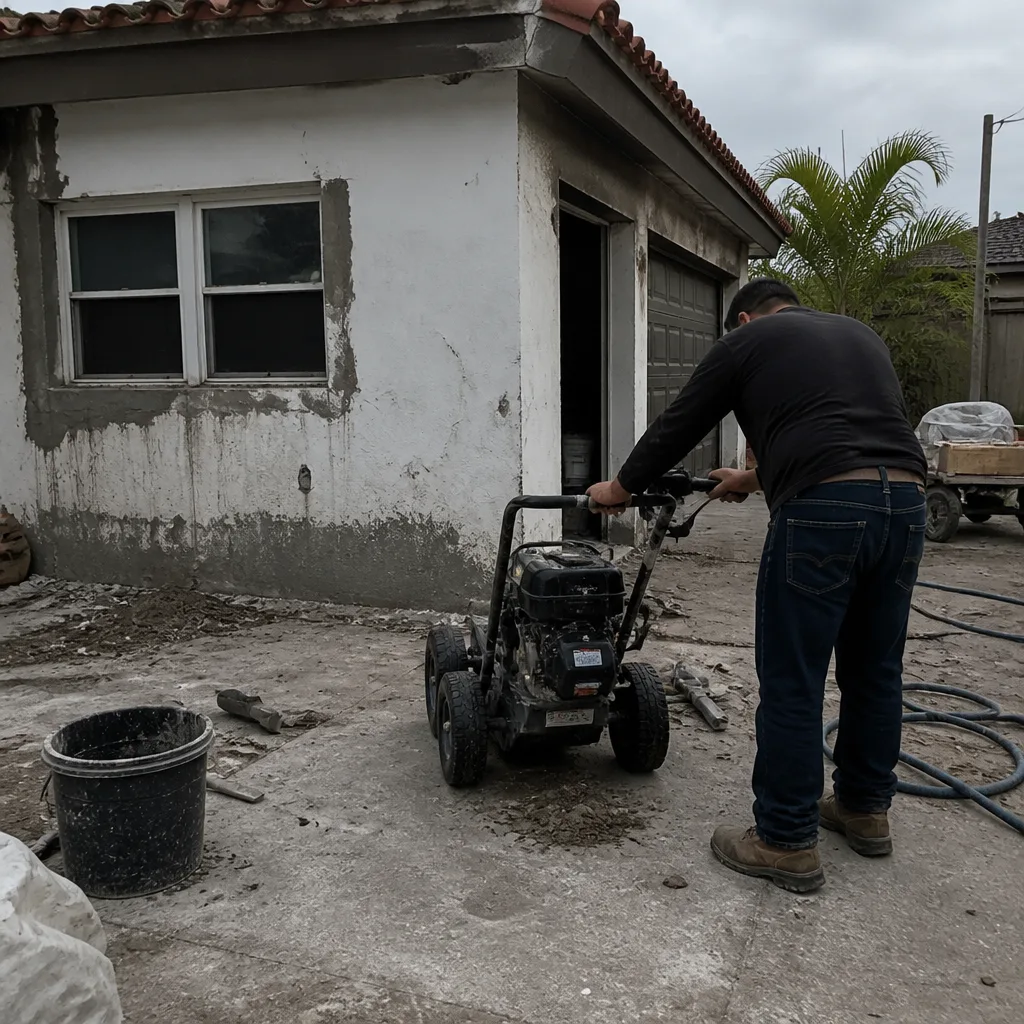 Before
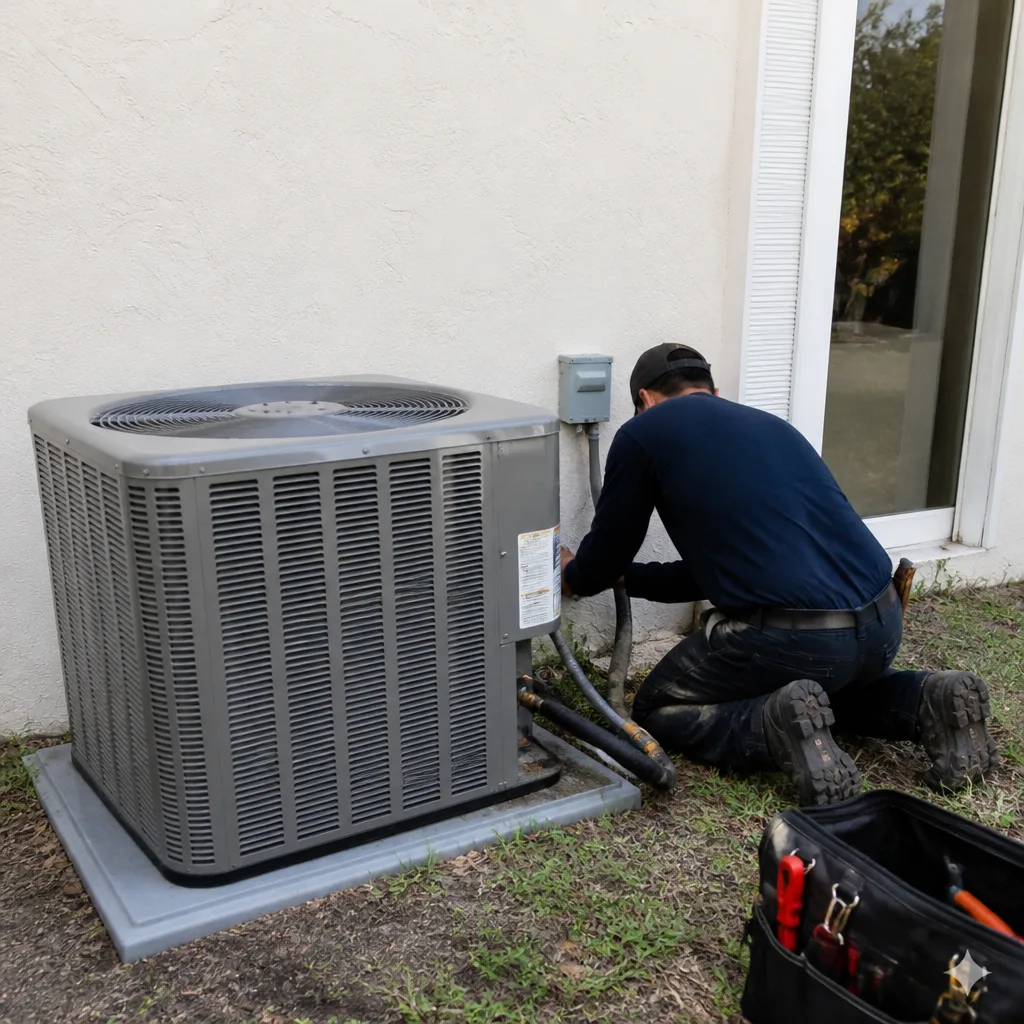 After
AfterDIY or Call Us?
You can patch a small crack. You can seal a hairline. You can watch a few videos and try to float a small pad, and if it’s a garden walkway, that’s a reasonable weekend project. What you shouldn’t do is tie new concrete into a load-bearing structure, pour footings for an addition, or build an ADU wall system without knowing exactly what’s happening under the surface. If you get the water ratio wrong in a slab that’s carrying roof load, you don’t find out until the drywall cracks six months later and you’re paying twice to fix it.
The dangerous part of concrete work isn’t the concrete. It’s what the concrete holds up. A failed beam pocket or an under-cured footing on an addition doesn’t just crack. It can shift a roof, pull a wall out of plumb, and compromise the connection points where hurricane straps do their work. In West Palm Beach, that’s a code issue and a safety issue. We pull permits, we follow the strapping requirements, and we schedule inspections with the city because we know the timelines. If you’re diagnosing a failing slab, call us at (728) 203-9809. We’ll tell you what’s cosmetic and what’s structural, and we’ll do it before you spend a dime on a repair that won’t hold.
FAQs
A properly poured and cured Quikrete slab in West Palm Beach should last 50 years or more, provided the drainage is right and the soil underneath doesn’t wash out. The weak points on an addition or ADU are almost never the mix itself. They’re the joints, the waterproofing, and the subgrade prep. Get those right, and the concrete will outlast the roof.
Sometimes. Hairline cracks can be routed and sealed. Delaminated sections can be cut out and re-poured if the underlying slab is still structurally sound. But if the subgrade has washed out or the rebar is corroded, patching is just buying time. We’ll core the slab and look at what’s happening underneath before we recommend anything. A repair should never cost more than a replacement when a replacement is what’s actually needed.
Most slab repairs on a home addition in West Palm Beach take two to four days, including demo, form work, pour, and initial curing. A full ADU foundation pad is typically one to two weeks depending on the size and the inspection schedule. Quikrete’s high early strength mixes can cut cure time significantly, which matters when the inspector won’t sign off until the concrete tests right.
We keep the standard mixes, Mason Mix Type S and N, high early strength formulas, and the associated anchors and forming materials on our trucks. For specialty mixes or large pours, we pull from local West Palm Beach suppliers the same day, so the job doesn’t stall waiting on material. If you’re mid-project and ran short, call (728) 203-9809 and we’ll tell you exactly what we’ve got and what it’ll cost to get the rest.
Squared Away in West Palm Beach
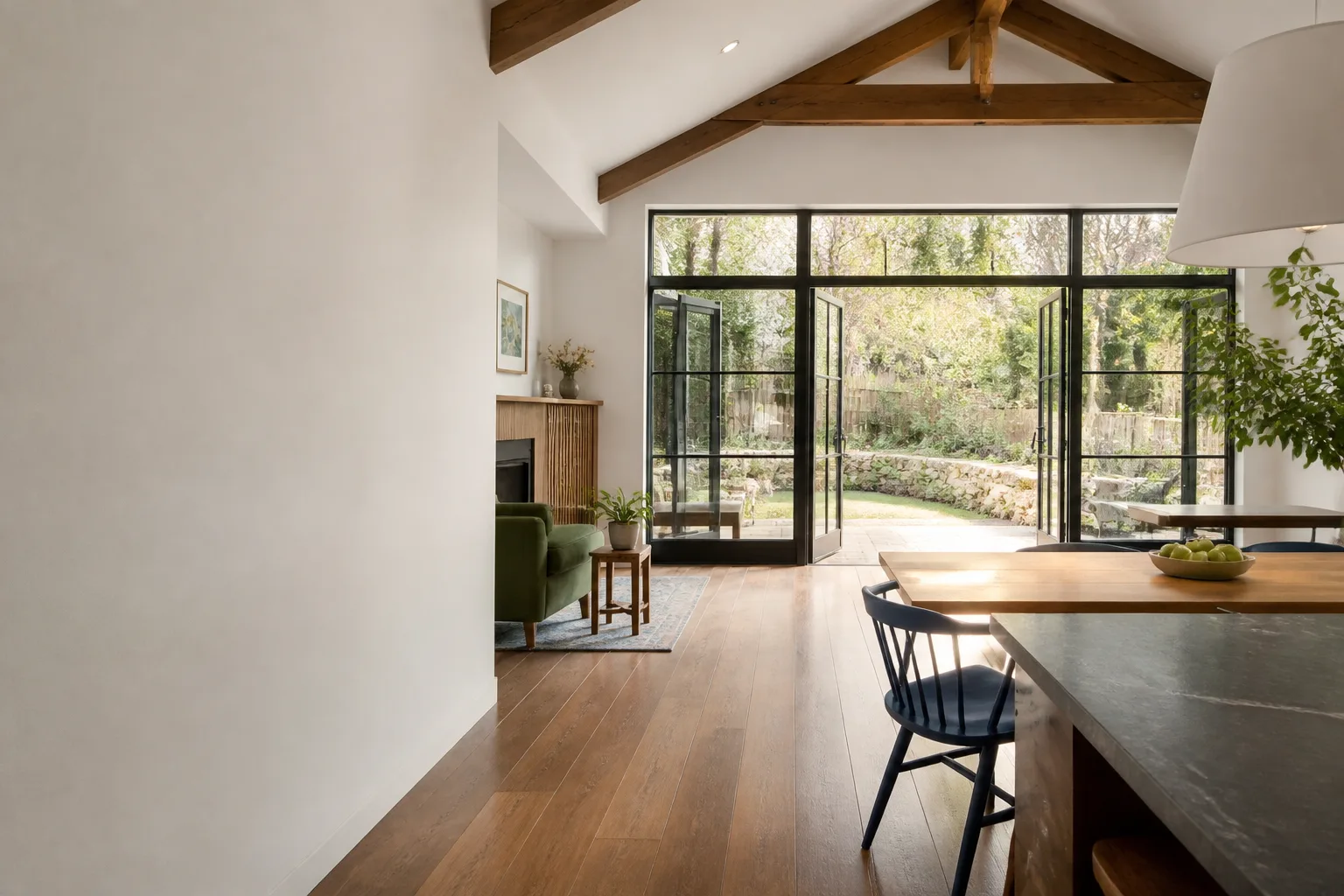
Here’s what finished looks like. The job site is swept. The forms are stripped and hauled. The pour is documented with the mix type, the lot numbers, and the cure schedule. You have a written guarantee in your hand that stands for a full year. That’s The Garrison Standard, and it’s how we’ve run work in West Palm Beach since day one. Straight number, full scope, no surprises after the invoice.
If your Quikrete addition or ADU is showing cracks, pulling away at the joints, or making you wonder what’s happening underneath, call us at (728) 203-9809. We’ll walk the site, give you a written price, and tell you exactly what needs to happen and why. No pressure, no mystery. Just the facts and a plan.
Written by Curtis Lane, Owner, Bradford Remodeling Co – West Palm Beach at Bradford Remodeling Co West Palm Beach, serving West Palm Beach and nearby areas.