Free written scope consultation - allowances, timeline, and change-order rules on paper before a single trade is scheduled
CGI Home Additions & ADU: The West Palm Beach Owner’s Guide
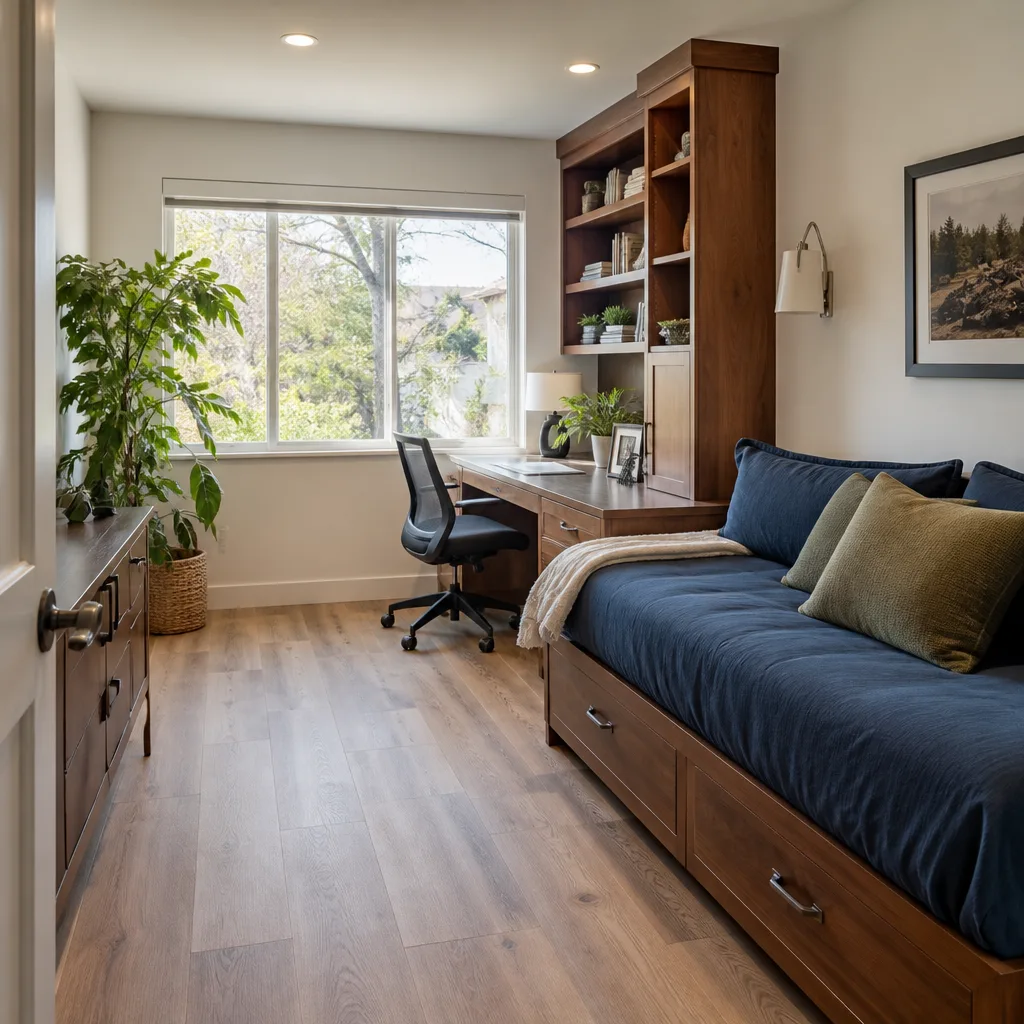
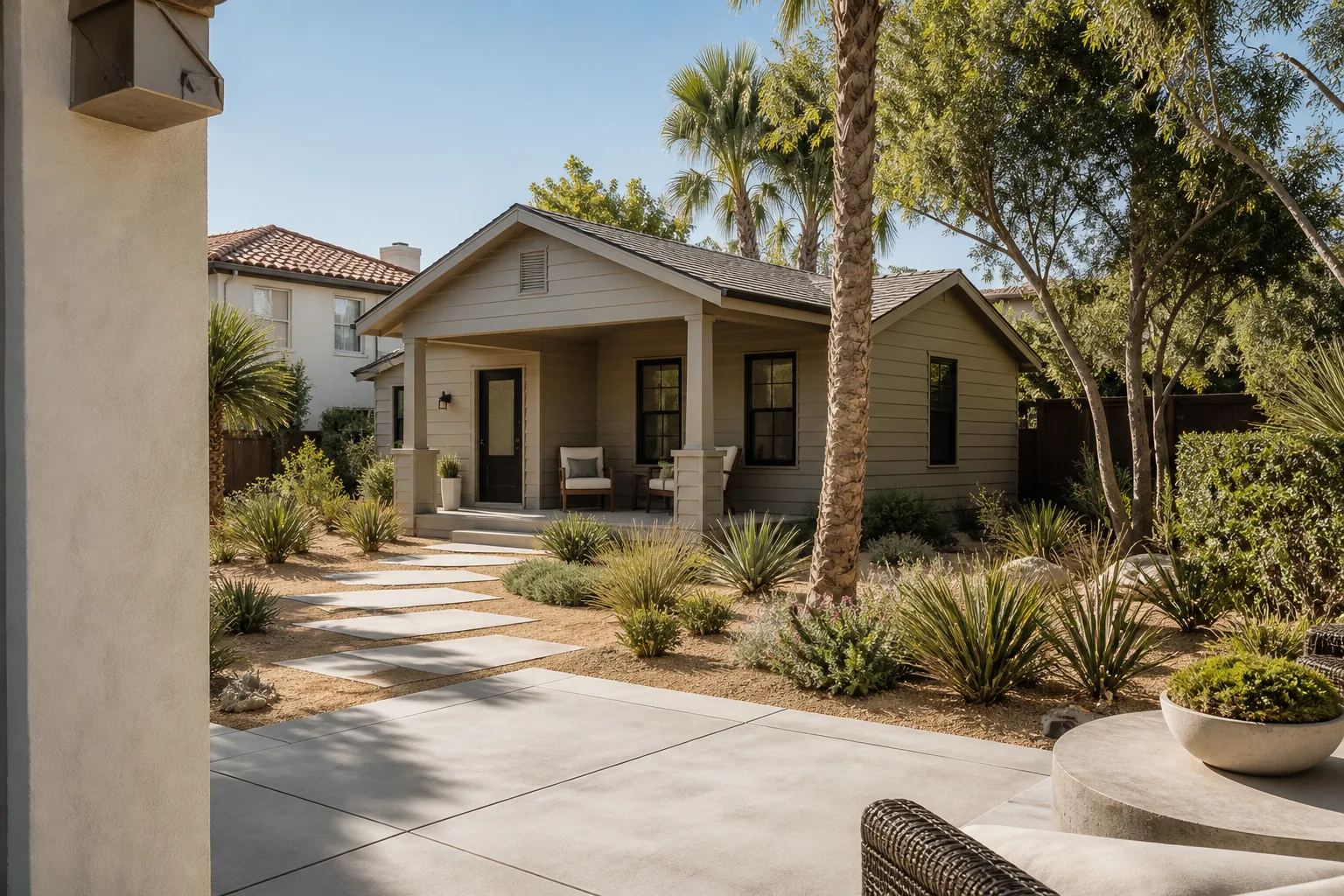
Bradford Remodeling Co West Palm Beach installs CGI-compatible home additions and accessory dwelling units across West Palm Beach, with full-project pricing typically falling between $45,000 and $130,000 depending on square footage, structural scope, and finish level. Most owners reach out to us after a prior contractor walked off mid-project, left an unpermitted shell in the yard, or delivered an addition that leaks at the roofline during Florida’s summer downpours. If your CGI home addition or ADU is sitting half-finished, failing at the tie-in points, or never passed final inspection, we can take it over, correct the underlying problems, and get it squared away with a written price before we touch a single stud.
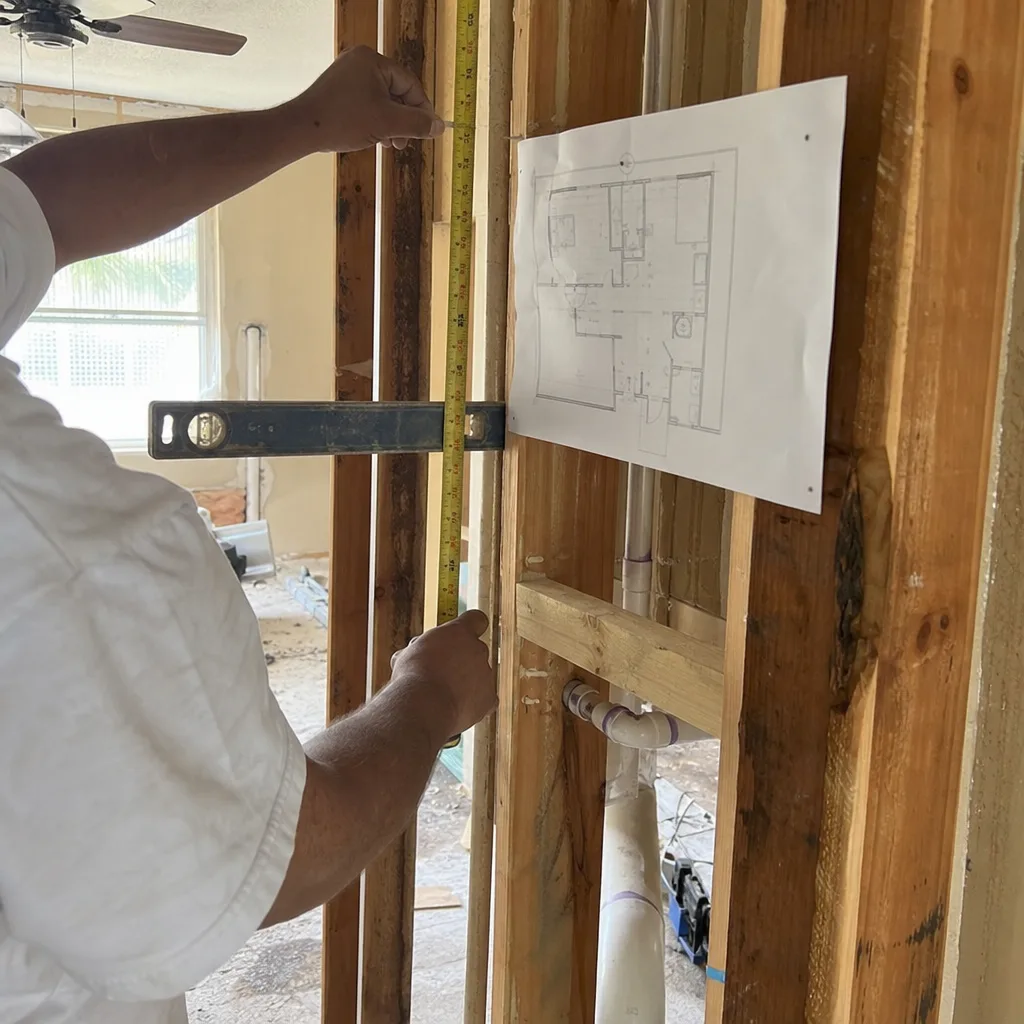
The most common failure we see in West Palm Beach isn’t the framing itself. It’s the connection points: the roof tie-in where the new CGI profile meets the original roof deck, the floor junction at the existing slab, and the exterior envelope details that have to hold up against wind-driven rain. When those details are rushed, you get water intrusion, settling at the joint, and a building inspector who won’t sign off until the corrections are documented. Curtis Lane has managed additions across Northwood Village and the surrounding neighborhoods long enough to know exactly what the local inspectors look for on the final walk, including hurricane-strapping continuity and elevation documentation.
Key Takeaways
- CGI home additions and ADUs in West Palm Beach run $45,000 to $130,000 installed, with a written price before any work begins.
- We are an independent West Palm Beach contractor, not affiliated with CGI, and we work with the manufacturer’s documented specifications.
- Every project carries the 365-Day Done Right Promise: if it doesn’t hold within the year, we return and correct it at no charge.
- Call (728) 203-9809 and you’ll get a live person, not a voicemail queue.
Which CGI Models This Applies To
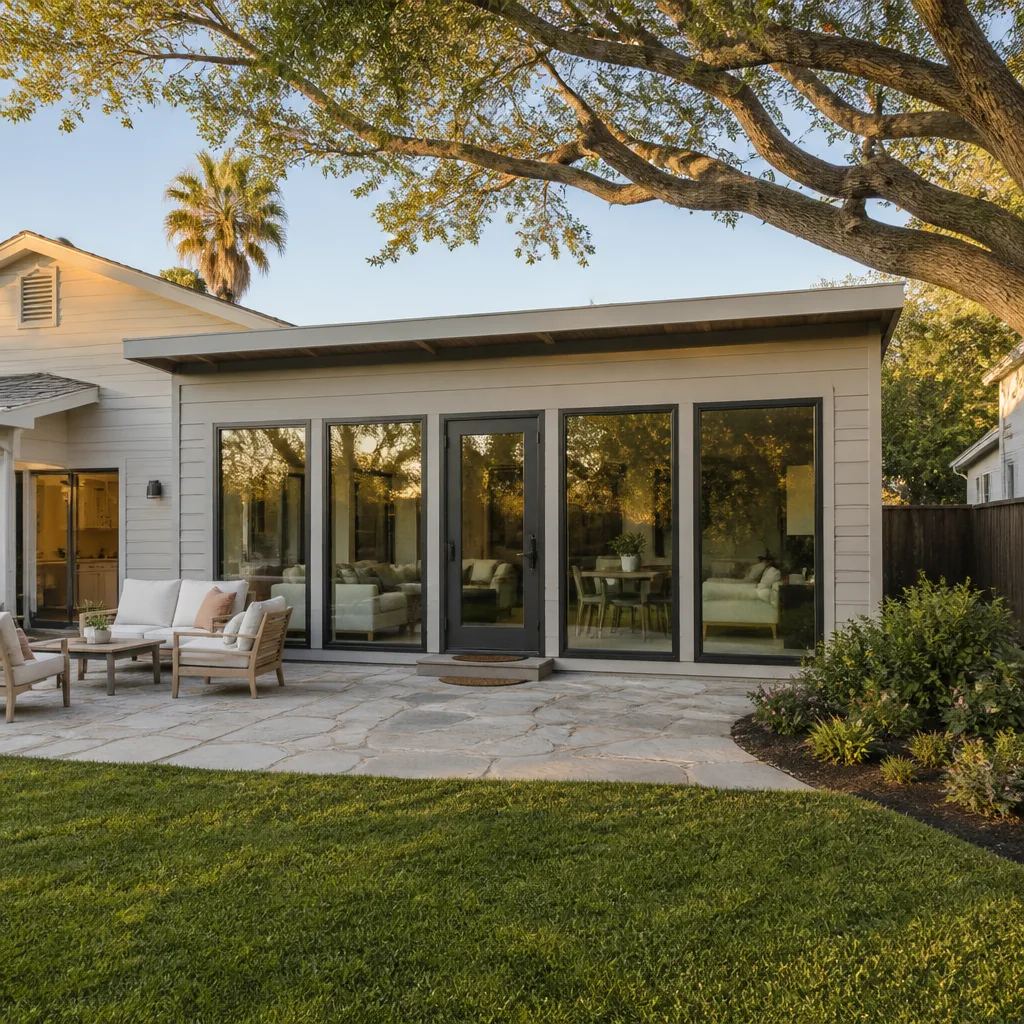
CGI’s home addition and ADU product line shares framing profiles and panel dimensions with their impact-rated residential window and door systems, but the addition-specific components have their own compatibility constraints. The exterior sheathing and structural panels are engineered for specific wind-load zones, and Palm Beach County sits in a high-velocity hurricane zone (HVHZ) that requires impact-rated assemblies or shutters on every opening. That means a CGI addition that passed in north Florida won’t automatically meet code in West Palm Beach without the correct HVHZ-rated flashing, anchoring, and glazing package.
If you have an existing CGI addition or ADU, the fastest way to identify what you’re working with is to check the manufacturer label on the window and door frames and the stamping on any exposed structural connectors. The label carries the product series and the design pressure (DP) rating. For the addition’s structural panel system, look for the spec sheet or permit drawings from the original build. If those are gone, we can reverse-engineer the assembly from what’s on site, but having the original documentation saves a day of field measuring.
When we quote a CGI home addition or ADU repair, we price OEM components first. There are aftermarket panels and flashings that claim compatibility, and some of them are fine where the manufacturer’s own warranty isn’t required. But when the work has to pass an HVHZ inspection, OEM matters. The inspector is comparing field conditions against the manufacturer’s approved installation drawings, and no inspector accepts a substitute assembly that doesn’t carry the matching product approval number. We’ll give you the straight math on where aftermarket works and where it doesn’t.
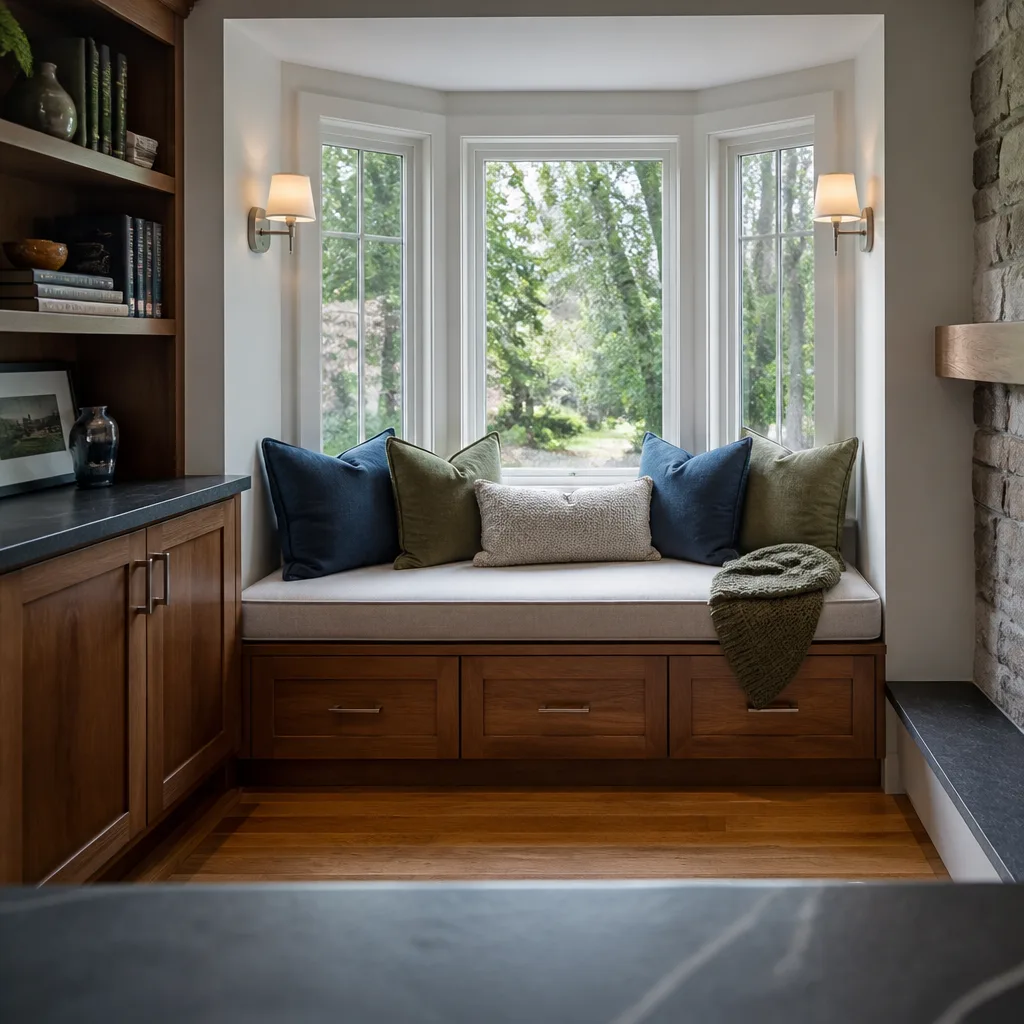
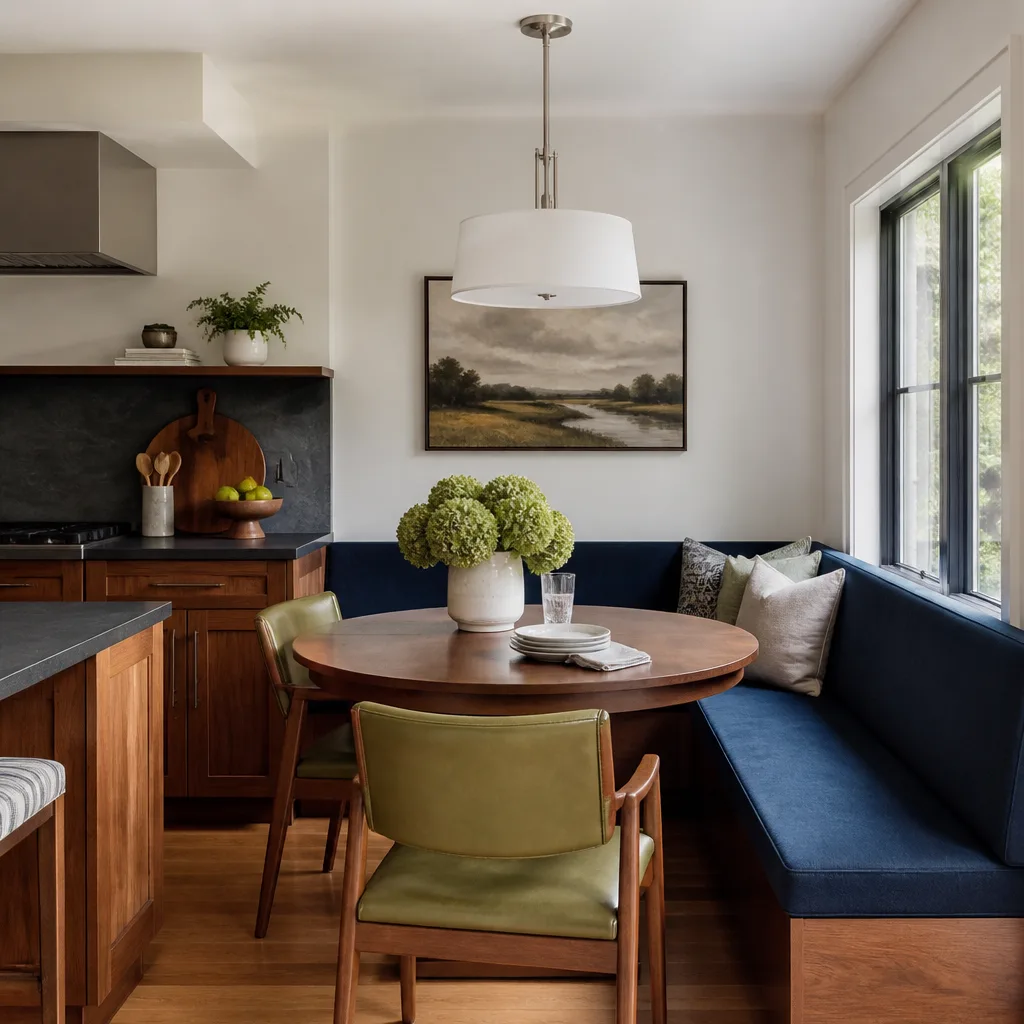
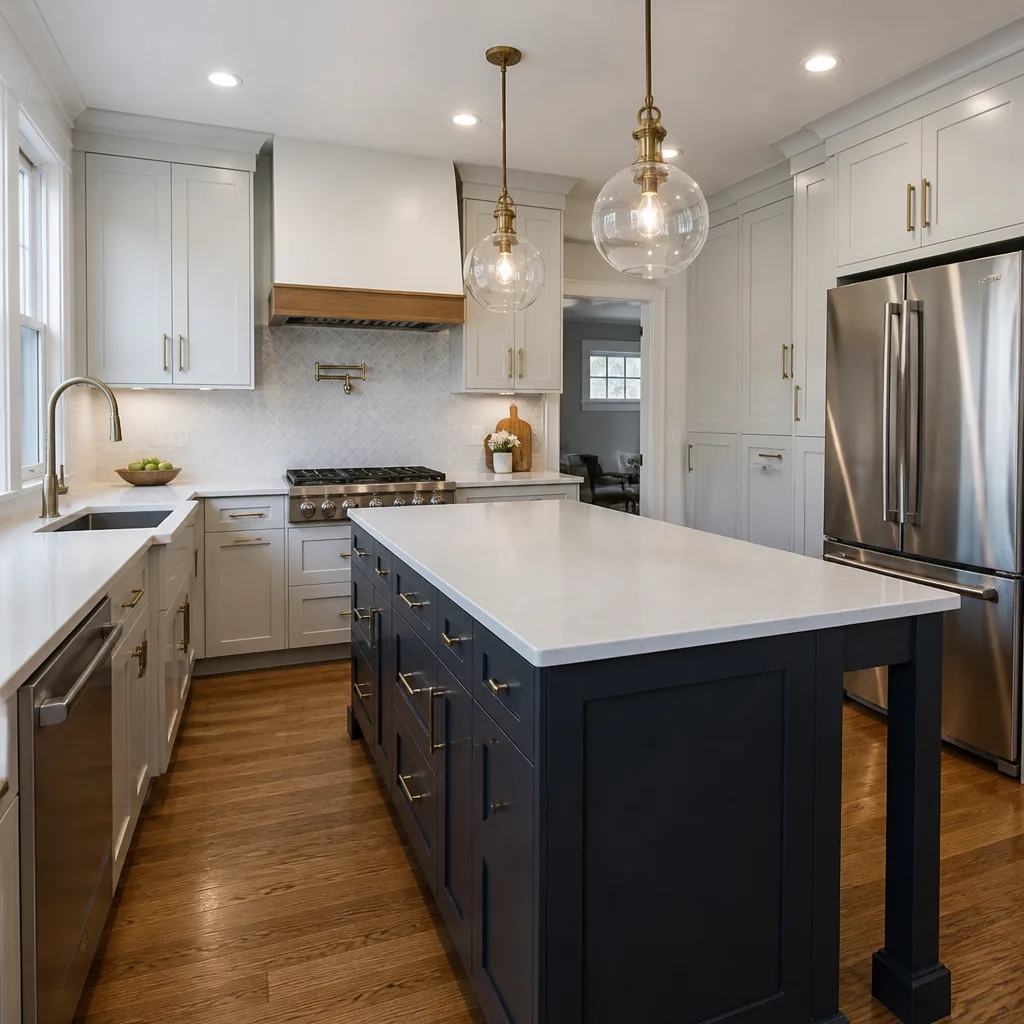
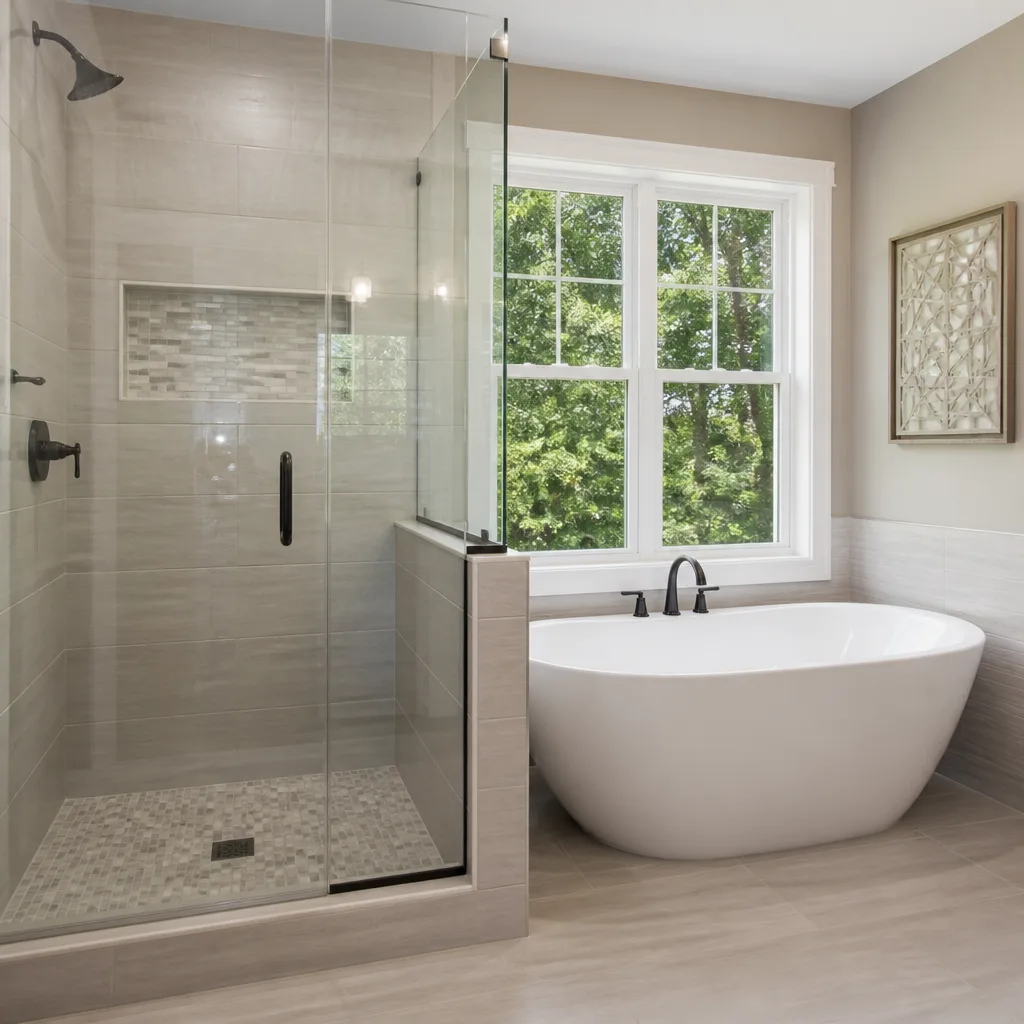
We also stock and install complementary material packages for these projects, including KraftMaid and Wellborn cabinetry, Cambria and Silestone surfaces, and Kohler and Moen fixtures, so the interior finish work comes from documented brands with manufacturer specs that back our own guarantee.
Styles & brands we work with
Signs Your CGI Home Additions & ADU Is Failing
- Water staining at the roofline tie-in. This is the classic West Palm Beach failure point. The CGI roof panel and the original roof deck expand and contract at different rates in the Florida heat, and a poorly flashed junction opens up a path for wind-driven rain. You’ll see discoloration on the ceiling drywall first, then peeling paint near the joint.
- The addition or ADU feels noticeably hotter than the main house. That usually means the ceiling insulation was compressed during install or the radiant barrier wasn’t lapped correctly at the seams. In West Palm Beach’s humidity, an under-insulated addition also becomes a condensation point, which leads to mold in the ceiling cavity.
- Doors and windows bind in their frames. CGI’s impact-rated openings are heavy and rigid. If the addition’s foundation wasn’t engineered properly for the local soil, the slab settles unevenly and the framed openings rack slightly. A door that stuck once and now catches every time is telling you something moved.
- Visible rust or corrosion on the structural connectors. Coastal air in West Palm Beach is hard on metal fasteners and straps. If the original builder used standard steel instead of hot-dip galvanized or stainless hardware at the hurricane-strap points, you’ll see orange streaks and flaking within a few years. That’s a structural issue, not a cosmetic one.
- You can hear wind whistling inside the wall cavity during storms. That means the exterior weather barrier or the panel-to-panel seals were compromised. In an HVHZ-rated CGI assembly, the building envelope should be reasonably airtight. Air moving through the wall means water will find the same path.
Replacement Cost & What’s Included
A full CGI home addition in West Palm Beach runs $45,000 to $130,000 depending on square footage, foundation work, roof complexity, and interior finish level. A detached ADU built to CGI’s impact-rated spec falls higher, typically $90,000 to $220,000, because it carries its own foundation, utility rough-in, and separate permitting path. If you’re repairing a failed component rather than building new, the job is priced as a scope item: tie-in reflashing, connector replacement, panel re-sealing, or a full envelope correction, each with its own line-item number.
Here’s what drives the range:
- Foundation condition and soil. West Palm Beach sits on sandy, fast-draining soil, but the water table is high in many neighborhoods. If the original slab is structurally sound, we can tie into it. If not, you’re paying for new footers, elevation review, and possibly helical piers, and that moves the number.
- HVHZ compliance. Bringing a partially built or failing addition up to current hurricane-strapping and impact-glazing code is often the single largest correction. The materials aren’t cheap, and the inspection timeline is part of the job.
- Interior finish package. A raw shell with drywall and utility rough-in is one price. A finished ADU with a kitchenette, a full bath, Cambria countertops, and Moen fixtures is another.
Every quote includes a written line-item price before work starts. The number on the proposal is the number at the invoice, unless you change the scope and we document the change in writing before proceeding. All completed work carries the 365-Day Done Right Promise: if any part of what we touched fails within the first year, we come back and correct it at no charge. You’ll have that guarantee in writing before the first tool comes out.
See the difference
 Before
 After
After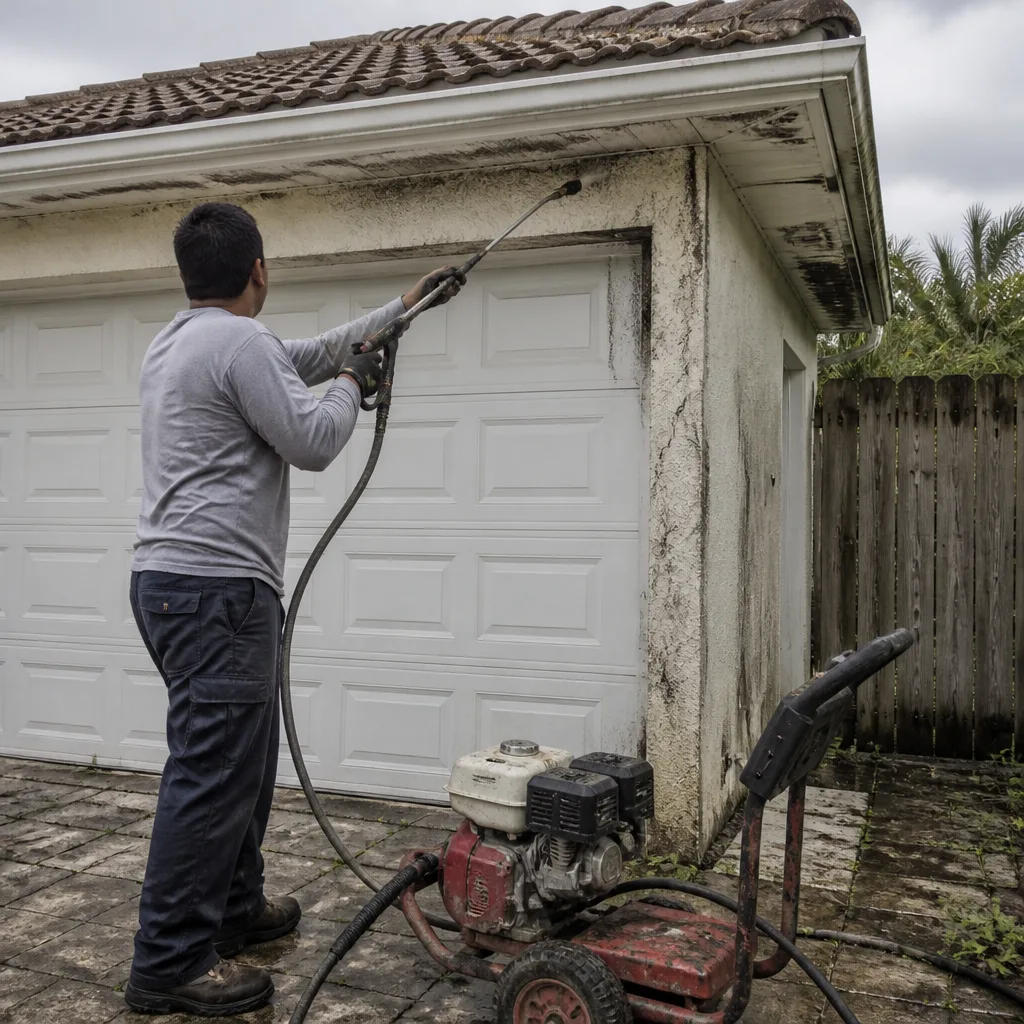 Before
 After
After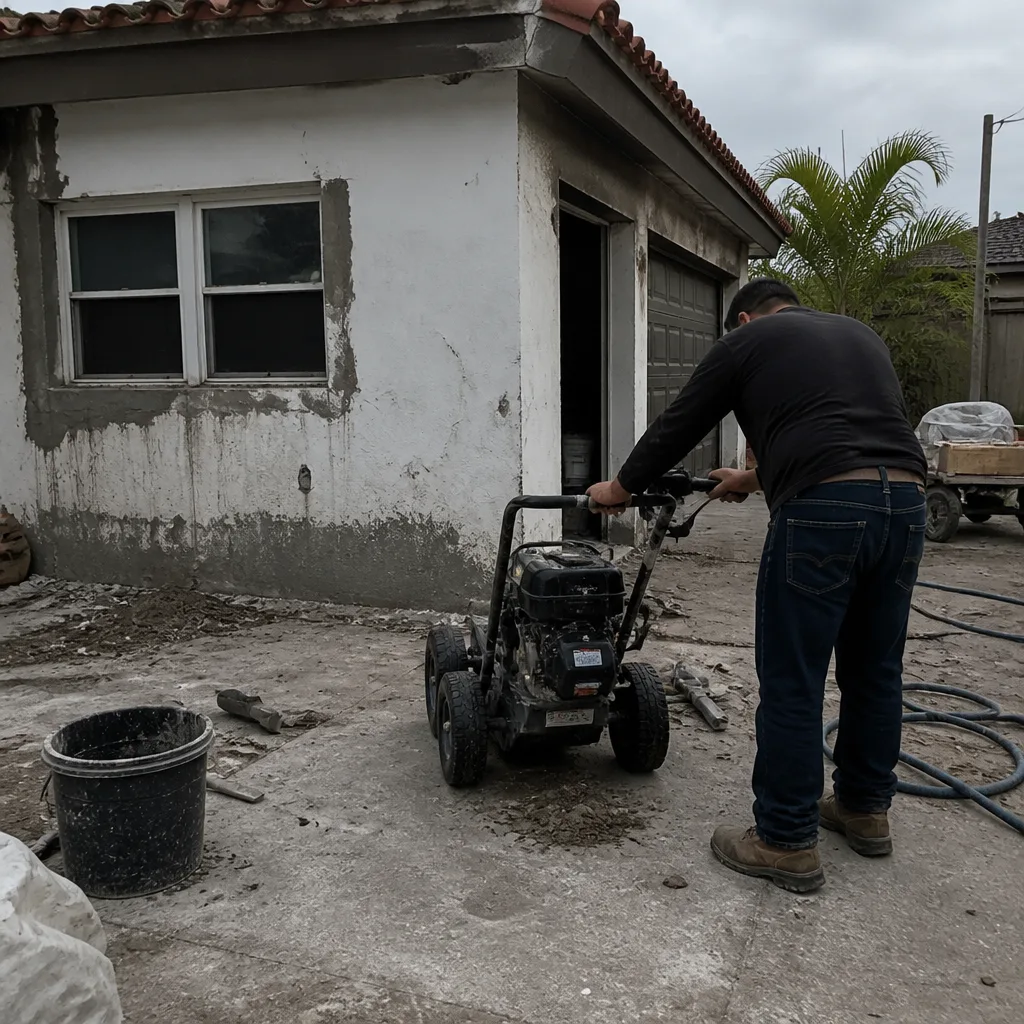 Before
 After
AfterDIY or Call Us?
There are things a West Palm Beach homeowner can check safely. Walk the exterior after a rain and look for water staining at the roofline junction. Feel for air movement around window and door frames using the back of your hand. Check the visible hurricane straps in the attic or at the crawl for rust. If you find any of those, document what you see and call us with the specifics.
What you shouldn’t do is attempt to correct a roof tie-in, re-flash a wall junction, or replace structural connectors yourself. The work requires working at height, handling sharp metal flashing, and understanding how a wind-load path transfers through the assembly. A correction that looks watertight but doesn’t meet the original CGI installation drawing will fail inspection, and worse, it can fail in the middle of a storm when the wind is pulling at 120 mph. If your addition needs a structural correction, that’s a trained crew with the right laddering and the approved fastener schedule. Call (728) 203-9809 and we’ll send someone out to look at it.
FAQs
A properly installed CGI addition with HVHZ-rated flashing and connectors should last 30 to 50 years with normal maintenance, but the roof tie-in and exterior seals typically need rework every 10 to 15 years in Florida’s heat and humidity. The structure itself holds; it’s the weather-exposed details that age first. If your addition is failing at year five, the original installation was the problem, not the product. Call (728) 203-9809 and we’ll tell you what we’re seeing after we walk the site.
In most cases, the failing component can be corrected without tearing down the whole addition. Re-flashing a roof tie-in, replacing rusted hurricane straps, re-sealing panel joints, or leveling a door frame are all scope-item repairs. Full replacement is only necessary when the original assembly was so far out of spec that it can’t be brought into compliance economically. We’ll give you the honest read on which path applies to your property, and the written price before any work starts.
A tie-in re-flash or connector replacement is typically a 2 to 5 day job, including the required inspection windows. A full envelope correction or a partially built addition takeover can run 3 to 8 weeks depending on permitting, material lead times, and how much of the original work has to be undone. We’ll put the timeline in your written proposal so you know what the calendar looks like before we start.
We stock common CGI-compatible flashing profiles, HVHZ-rated fasteners and straps, and panel sealant assemblies on our trucks and at our local shop, which lets us start most repairs without waiting on a freight order. For OEM CGI structural panels and impact-rated openings, we place the order directly through the manufacturer’s distribution channel and schedule the work around the lead time. We’ll tell you upfront if a specific part is a stock item or a special-order item, and how that affects the schedule.
Get a Straight Number for Your CGI Addition or ADU in West Palm Beach
If you’ve got a CGI home addition or ADU that’s leaking, settling, or sitting half-finished, call (728) 203-9809. You’ll reach a live person who can schedule a walkthrough. Curtis Lane will come out, look at the tie-ins, the strapping, the envelope, and the paperwork, and give you a written line-item price for exactly what it takes to make the structure right. Straight number, full scope, no surprises after the invoice. Every project is covered by the 365-Day Done Right Promise, and every price is on paper before we start.
Written by Curtis Lane, Owner, Bradford Remodeling Co – West Palm Beach at Bradford Remodeling Co West Palm Beach, serving West Palm Beach and nearby areas.